A Dialogue with Toshihide Okamoto
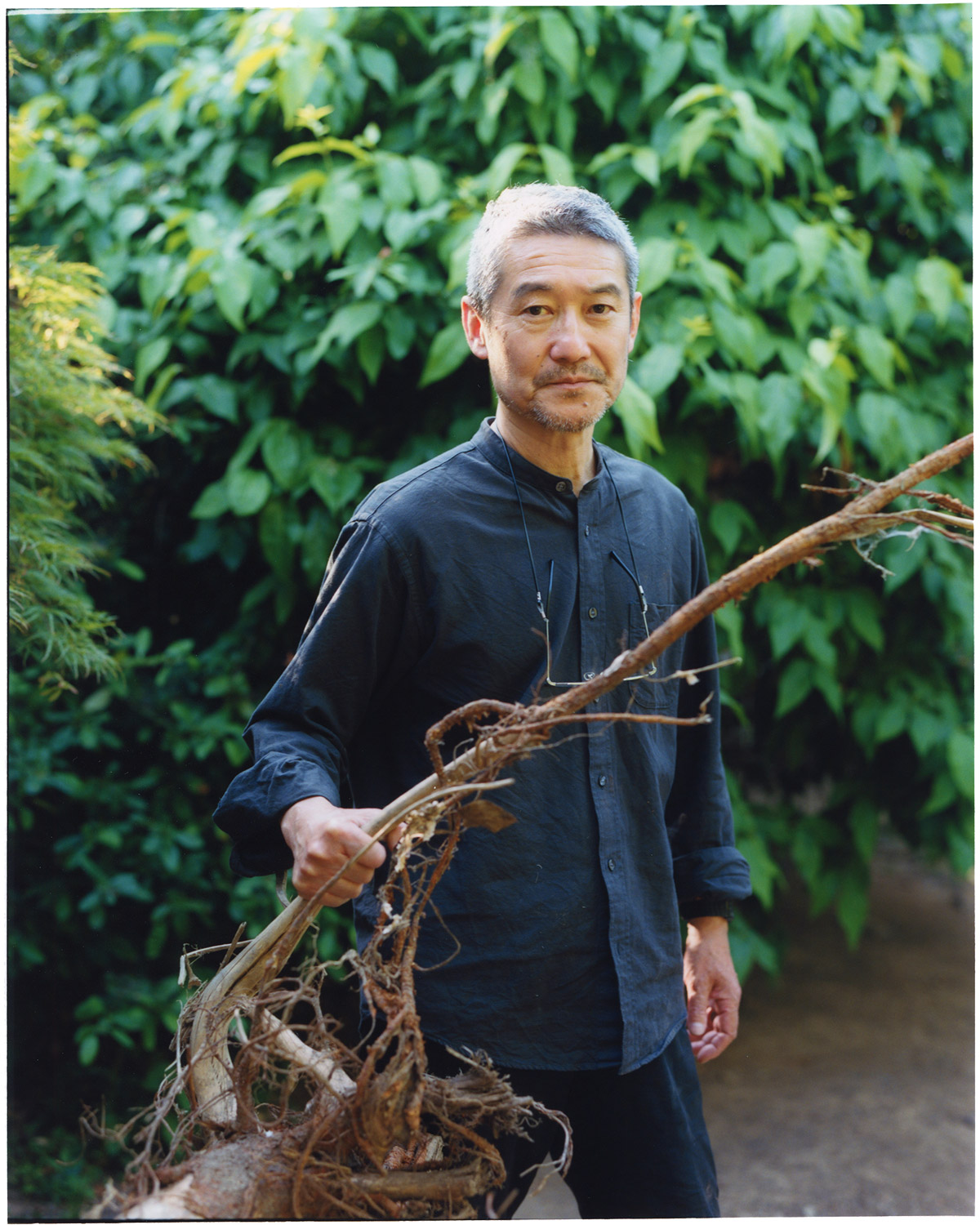
Photo:Yuto Kudo
Born and raised in Kanazawa, Toshihide Okamoto works with plants. He designs gardens, creates environments for stores and exhibitions, and plans landscapes. Yet if you ask him what his real material is, he won't say plants. He'll simply say space. In recent years, another invisible material has quietly become part of that practice: fragrance. It cannot be seen, yet it has the power to alter the atmosphere of a place and reshape the memories people take home with them. Okamoto describes it as "an invisible plant." When we opened the doors of NICENESS EBISU a year ago, it was this invisible layer that we entrusted to him.
His path here was anything but straightforward. He first pursued athletics, then entered the world of finance, before eventually returning to Kanazawa and finding his way into flowers. After establishing his own studio, he began creating spaces where plants naturally coexist with music, food, art, and everyday life. Fragrance followed a similarly unconventional path. Rather than studying perfumery formally, he taught himself through repetition―collecting materials, blending them instinctively, then waiting to observe how they changed with time. It is an approach that begins not with theory, but with feeling.
At the heart of his work lies a refusal to see anything through a single lens. Even a bottle is never simply a bottle. He shifts it into another context, allowing it to become something else entirely. In doing so, unnoticed possibilities quietly begin to emerge. The name of his studio, Viscum Flower Studio, comes from viscum―mistletoe. A plant that lives alongside another, drawing nourishment while creating an unexpected relationship of its own. The name reflects the way Okamoto works: responding to what already exists, allowing different elements to overlap until something without a name begins to appear.
When we first began creating the NICENESS fragrance with Okamoto-san, our initial conversations were remarkably open-ended.
Fragrance cannot be seen, and because of that, we hardly knew where to begin. Yet he embraced that undefined space without hesitation. Together, we gradually traced the outline of something intangible, layering sensations that could not quite be put into words.
The process resonated deeply with the way we approach the making of a garment. Rather than beginning with answers, it began with dialogue—allowing ideas to take shape through countless exchanges.
Our conversations with Okamoto-san reminded us that meaningful craftsmanship is rarely the result of a single vision. More often, it is born through an accumulation of dialogue.
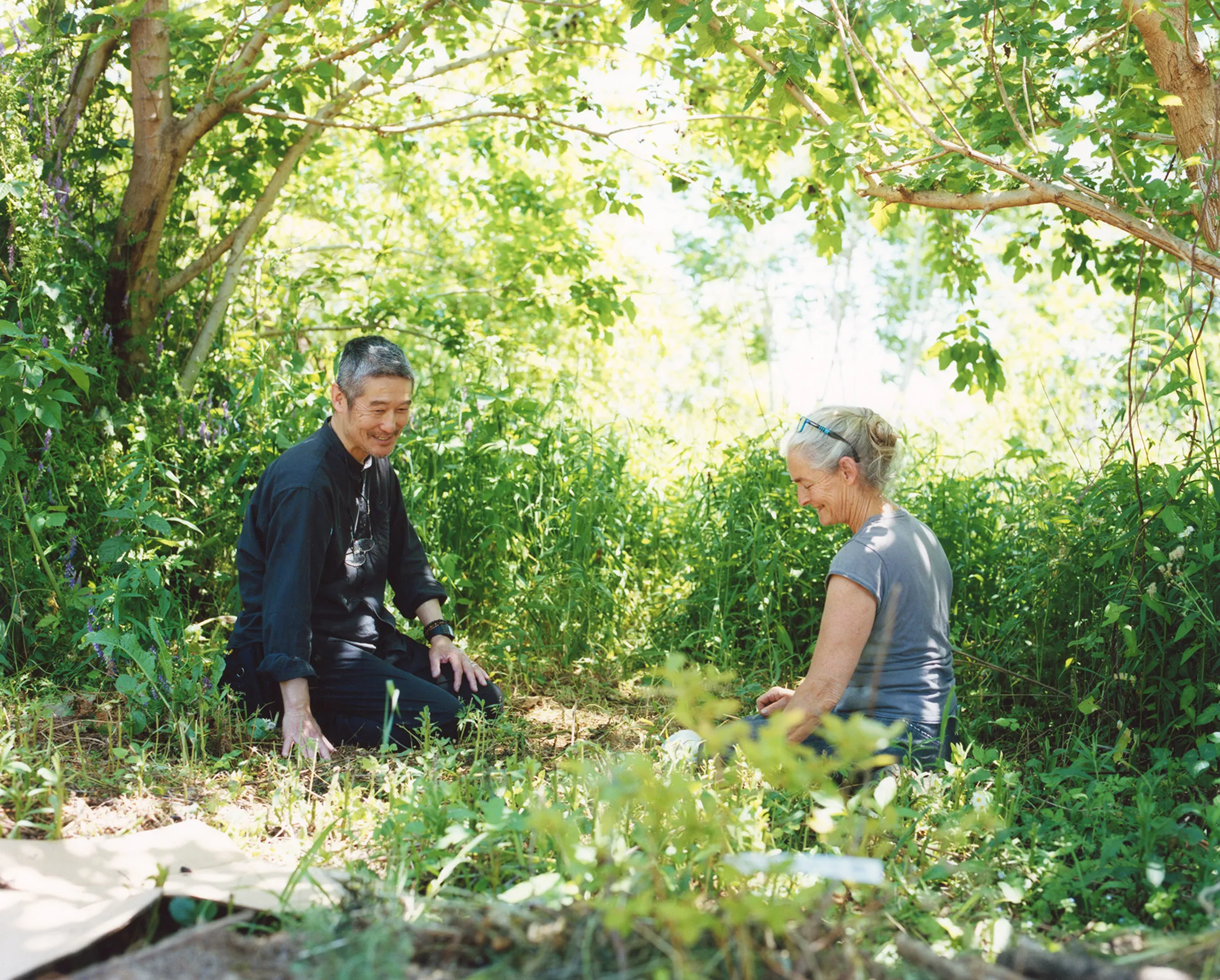

Seeing Beyond the Object
NN: In your work, what principles or ideas do you value most?
Okamoto: I wouldn’t say there is a philosophy I strongly hold onto.
If I had to name one thing, it would be not fixing the way I see things too quickly. For example, even if there is a bottle in front of me, I don’t only see it as a bottle. I might place it in another context, or try to see it as something entirely different. When I do that, a side of it that I hadn’t noticed before suddenly begins to appear. It is not something I do intentionally anymore. It feels more like a habit.
For me, work and everyday life both feel like fieldwork. Meeting someone is already a new discovery. The name of my studio, Viscum Flower Studio, comes from viscum, which means mistletoe. To exist close to something, to mix with it, and to create something new in that state. Rather than meeting people as a finished person, I prefer to remain unfinished. In that process, things can move in directions I never expected, and new value can emerge. Looking back on my own life, far more has come from encounters that led me somewhere unexpected than from anything that went according to plan.
NN: When did you begin to think that way?
It became stronger after I moved to Tokyo.
When I was running a shop, the structure was more straightforward: I would offer finished products, people would buy them, and hopefully they would be happy. But now, more of my work begins before I have a finished answer. I make things through sessions with other people. Because of that, I’ve come to feel even more strongly that it is important for me not to complete everything alone, and to keep changing as I mix with something or someone else.
Feeling Before Theory
NN: How did you find your way into the world of plants?
Okamoto: I originally came from a completely different place.
I was involved in sports, and after that I worked in finance. Plants had nothing to do with my life. Then at some point, I heard someone say that plants and the environment would become interesting fields in the future. This was before the word “sustainable” became as common as it is now, so at the time it felt like a fairly unusual idea. But something about it stayed with me. I went back to my hometown of Kanazawa and started working at the flower market.
After that, I asked a long-established florist to take me in, but they turned me down at first. They said, “You’re just going to go independent right away, aren’t you?” (laughs) Still, I kept going back, and in the end they really took care of me. I worked not only in the shop, but also buying at the market, weddings, funerals, and even assisting ikebana artists. I feel like that period gave me the basic physical strength of being a florist.
NN: What led you to begin working with fragrance?
Okamoto: There were a few reasons, but the earliest one may have come from my time as a florist.
A flower shop handles so many plants, but there are always parts that cannot be used, or parts that have to be thrown away. Even after their role as flowers has ended, just before they are discarded, some of them still carry an incredibly beautiful scent, or retain something of their presence as plants. As I watched that happen, I began to wonder if there might be another way to make use of them. Even if their life as flowers had ended, it felt like their scent and memory had not disappeared. From there, I naturally became interested in fragrance.
Also, arranging flowers feels like making a three-dimensional work. At some point, I began to think that fragrance might be an invisible arrangement. It felt very close to the act of arranging flowers.
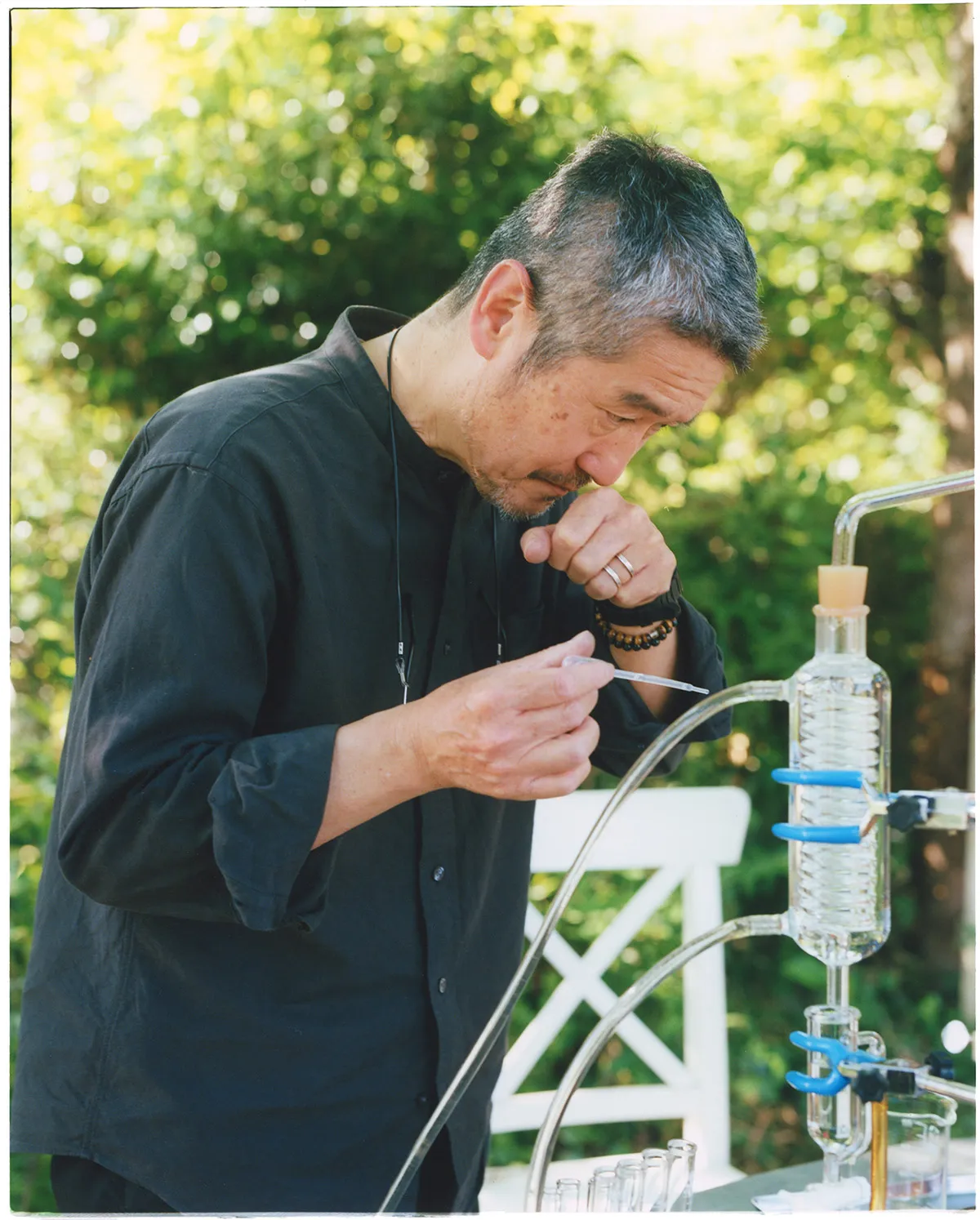
The way I began was very simple. I bought materials, combined them, and repeated that process endlessly. I taught myself.
Many perfumers begin with chemistry or theory. They study the structure of aromatic materials, their compatibility, the pyramid-like systems used to build a fragrance, and then construct from there. But I was the complete opposite. I began with, “Somehow, this feels good.” I would combine things, fail, try again, and see how they changed over time. Later, when I spoke with researchers, they often told me, “No one makes fragrance that way.” (laughs) But for me, with both plants and fragrance, feeling came before theory.
When you begin with theory, things tend to become a matter of zero or one hundred. But I believe something different happens when you actually try. Even the same raw material changes depending on where it comes from, and its expression changes with time. I feel something almost romantic in that instability, in the fact that it never stays completely fixed.
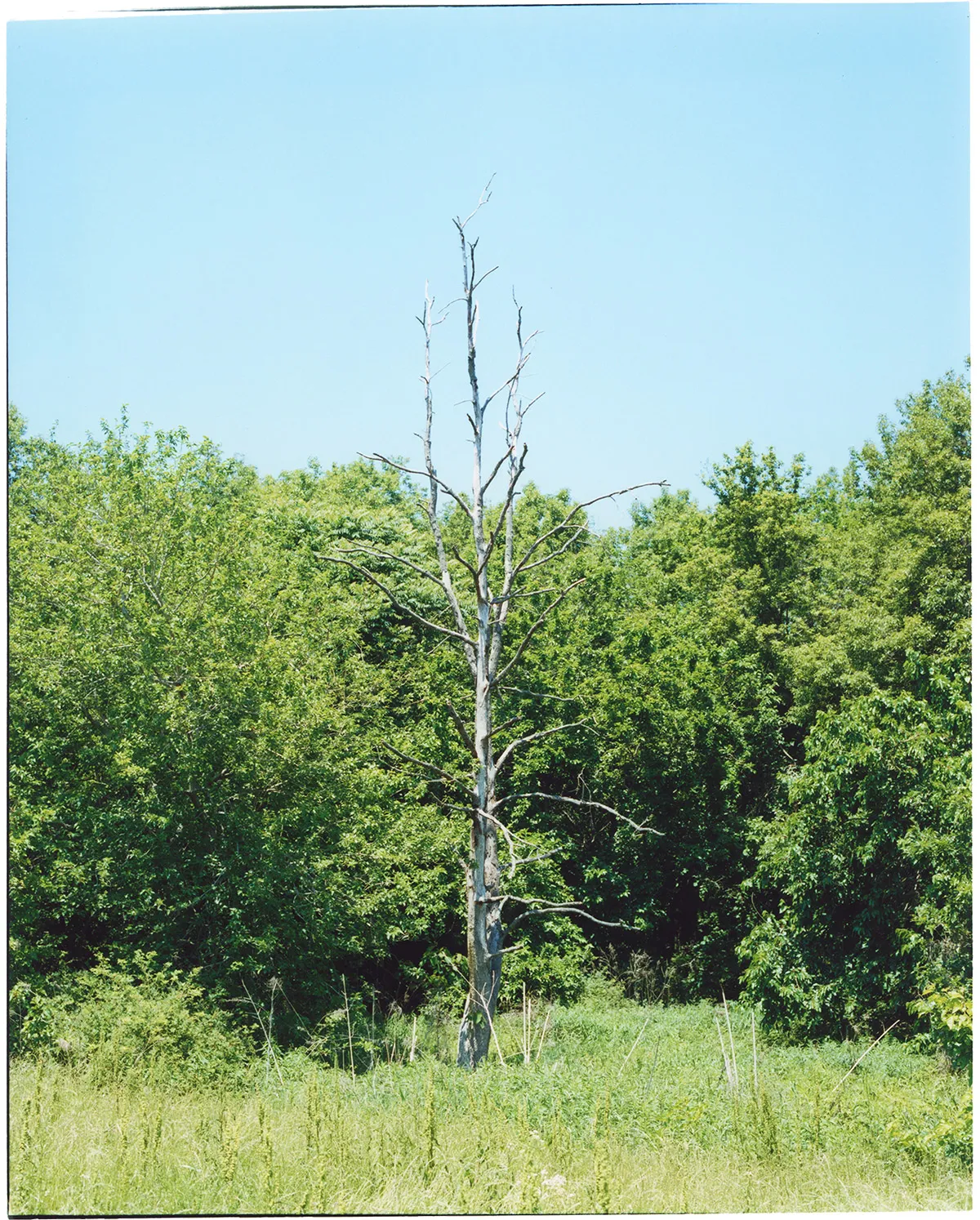
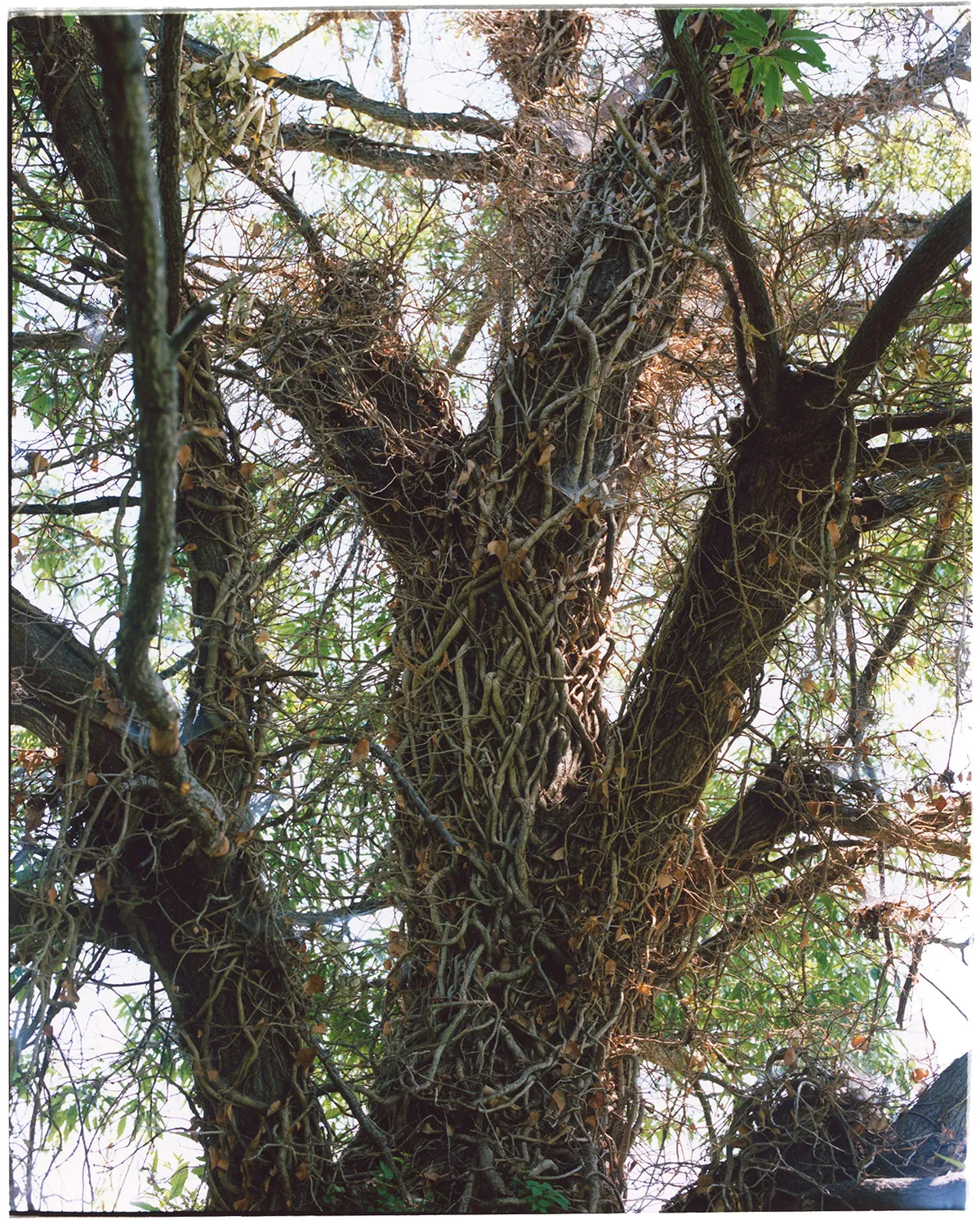
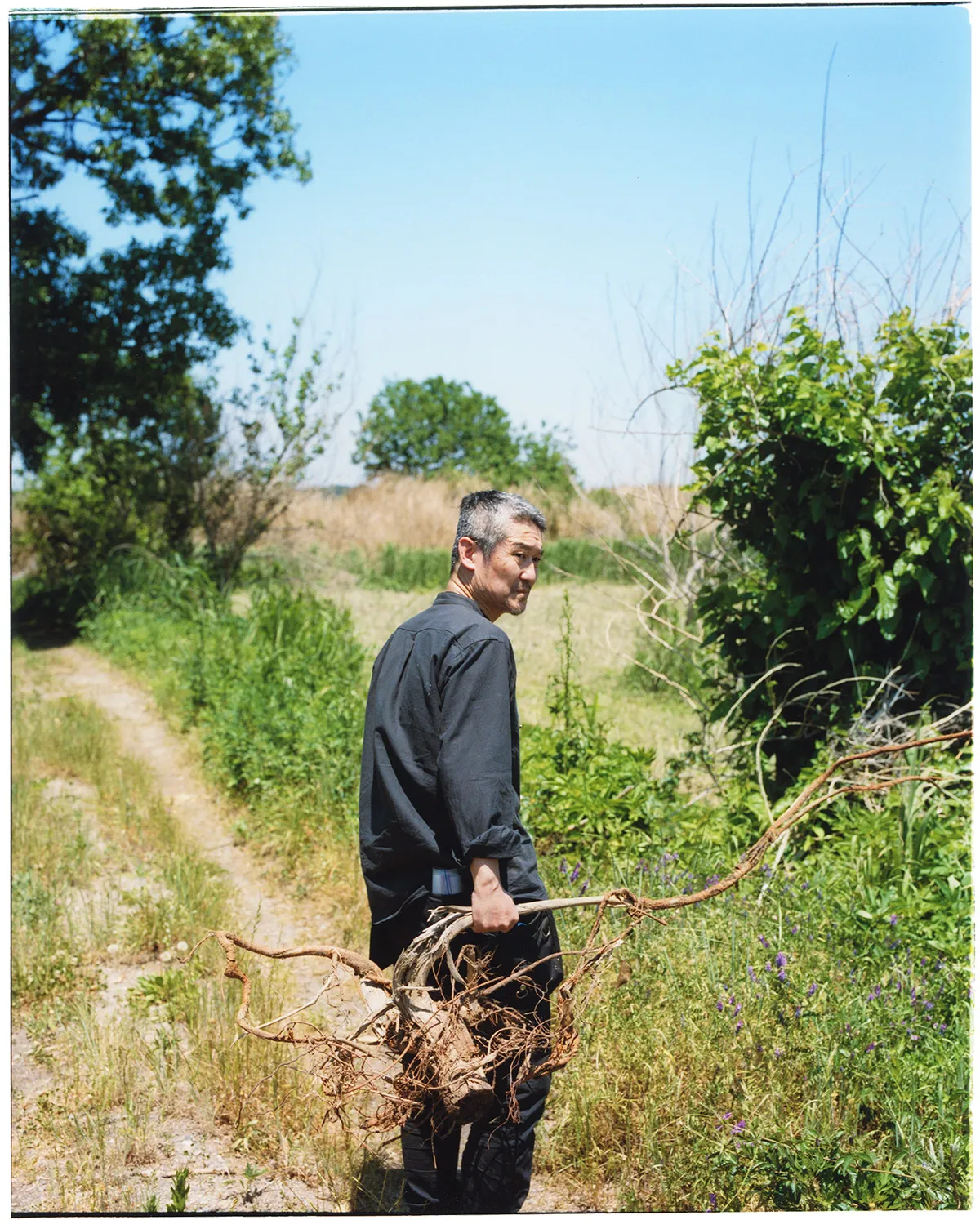
Different Worlds, Shared Roots
NN: Where do you think your sense of originality comes from today?
Okamoto: I suppose it's because I didn't take the conventional route.
I came here by way of very different worlds. In a sense, it might be close to what people now call a liberal arts approach. I've spent time in the worlds of art, plants, and finance. On the surface they seem completely unrelated, but to me they're all connected. The way of thinking is fundamentally the same.
What changes is the context. I simply translate those ways of thinking from one field into another, allowing them to overlap and mix. Perhaps that's where people find my work to be distinctive. Sometimes I wonder why there aren't more people working this way.
Maybe it's because we're all encouraged to look for the shortest path. We want results as quickly as possible. But tools are no different from cookware. A frying pan doesn't determine the quality of a meal. What matters is how deeply you understand the ingredients you're working with, and how carefully you adjust them. The more time and attention you invest in that process, the more different the outcome becomes.
Becoming Richer Through Waiting
NN: What does value mean to you?
Okamoto: I don't think value is something fixed. It's always changing. It also depends on the person looking at it. For example, when I work with companies that produce raw materials, they often see those materials in terms of function. I look at them as aromatic molecules. We're observing the same thing, but from completely different perspectives.
Once those perspectives begin to overlap, the value itself changes. Our awareness shifts. New possibilities emerge.I think new value is created precisely at the point where different ways of seeing the same thing intersect.
NN: Has your own sense of value changed over the years?
Okamoto: Very much so. These days, almost everything is immediately available. You can order anything with a click. If you're hungry, food arrives within minutes.
Somewhere along the way, I felt that convenience had also diminished a certain sense of gratitude. So recently, I've started placing myself in situations where I can't have everything immediately.
Even if there's something I really want to eat, I won't eat it right away. I'll wait a few days. I'll prepare for it properly. Strangely enough, the happiness I feel becomes much greater.
It's a very simple thing. There are many things that simply refuse to reveal themselves if we demand immediate results.
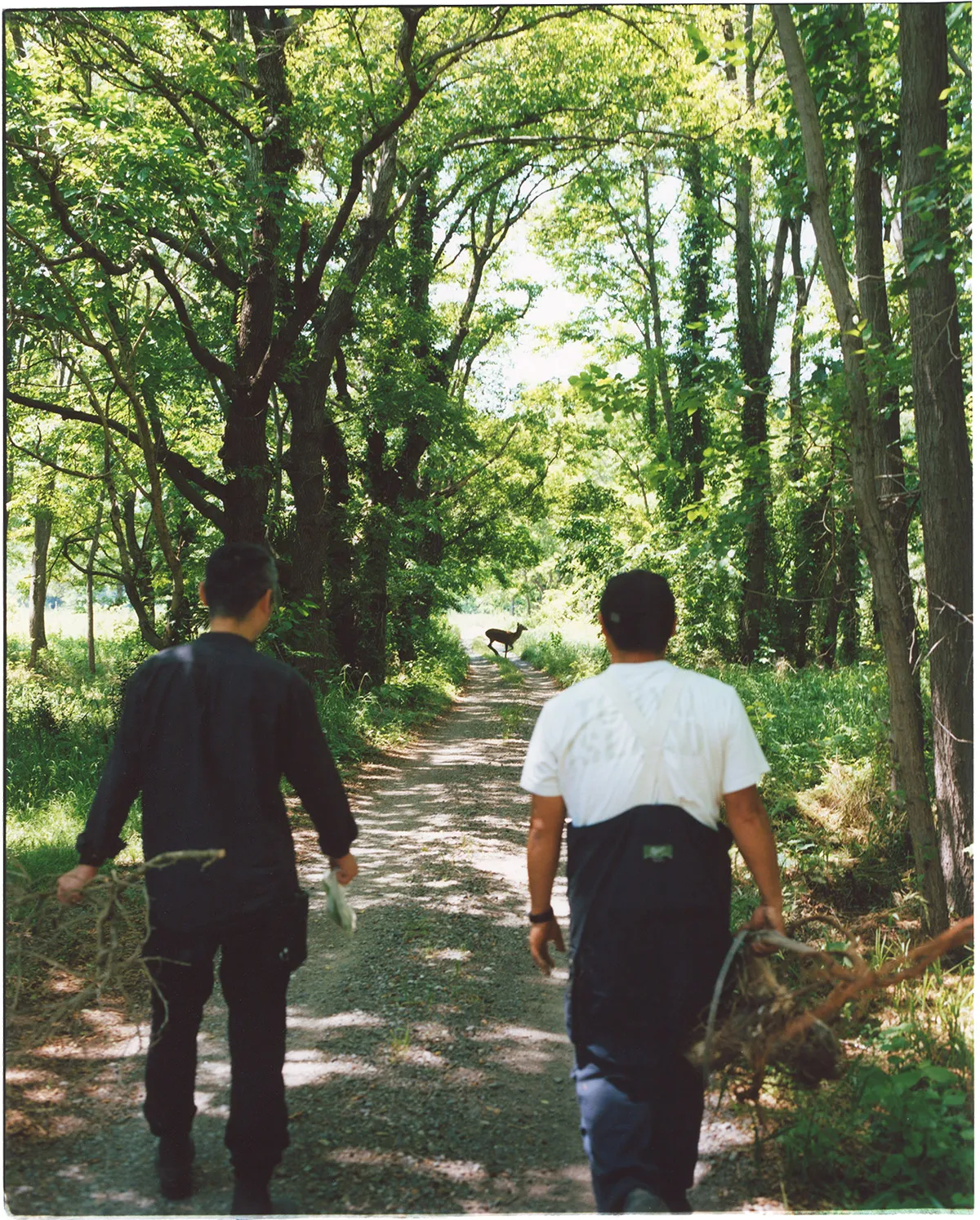
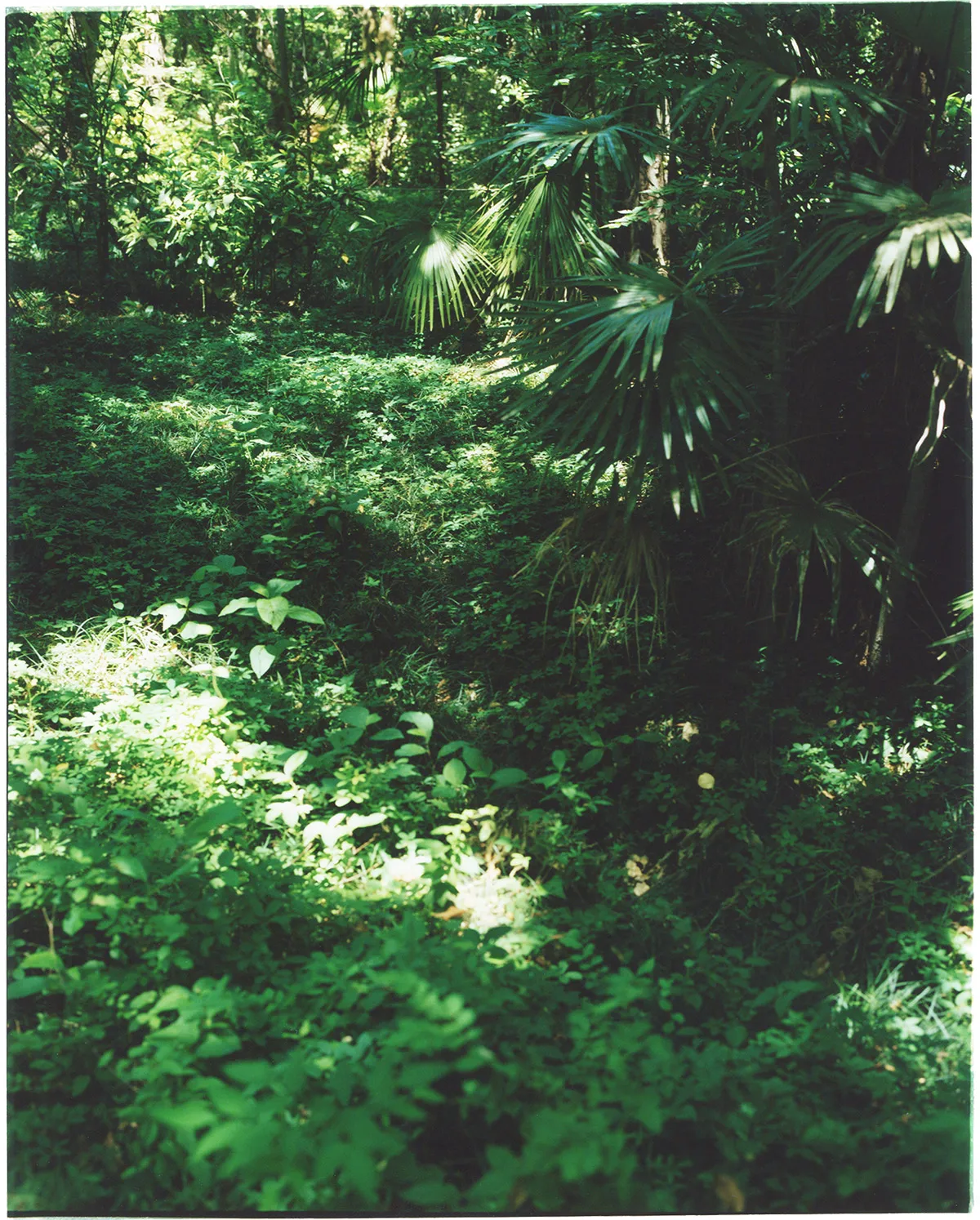
Plants don't grow according to our schedule. Fragrance, too, only develops certain qualities through time. There are things that exist only in the act of waiting.
Not Rushing Toward an Answer
NN: In an age where digital technology and AI are advancing at such a rapid pace, do you feel that our understanding of authenticity and value is changing?
Okamoto: Fundamentally, I don't think it has changed.
People on the outside may have all sorts of opinions, but the act of making something with your hands and bringing it into the world remains the same. Whether you choose to work through digital tools or not is simply a matter of process. What matters is how you choose to engage with it.
The philosophy that has influenced me most is Eastern philosophy—particularly the writings of D.T. Suzuki and Kitaro Nishida. What fascinates me is that both emerged from Ishikawa Prefecture, and during the same period. To think that two of the world's most influential thinkers on Eastern philosophy came from the same place at the same time is extraordinary. Nishida wrote about the idea of "pure experience." It refers to the moment before judgment arises—before the distinction between subject and object even exists.
A fragrance experienced after someone tells you, "This is beautiful," is fundamentally different from one encountered without any preconception. What emerges from it is entirely different. I want to preserve that hazy, undefined moment—an experience that exists before it is translated into words.
I'm interested in that vague moment before experience turns into language. Precisely because we live in a world where answers arrive so quickly, I think it's more important not to rush toward conclusions―to remain comfortable with not knowing.
The moment we decide, "This is the right answer," we stop wondering what someone who chose a different path might be thinking. Perhaps it's worth pausing to consider those other twenty steps out of a hundred. I believe that's where understanding begins, and where genuine diversity quietly takes shape.
NN: When do you feel that something―or someone―is truly authentic?
Okamoto: It's difficult to tell through social media alone.
You have to meet someone in person. Sit down and have a conversation. That's when you occasionally find yourself thinking, "There's something extraordinary about this person."
It's not necessarily something they express in words. It reveals itself in the way they carry themselves, in the quiet details of everyday life. I think that's where authenticity quietly resides.
Giving Form to the Invisible
NN: When we opened NICENESS EBISU, we asked you to create the fragrance for the space. Could you tell us about that process?
Okamoto: It all began from a place that was quite vague. But to me, that ambiguity was exactly what made it interesting.
When you're making clothes, there are already certain things you can hold on to. There are materials, construction, and silhouette. Fragrance is different. It has no visible form to begin with. So the conversation starts from a place where no one really knows what to talk about.
Looking back, our first meeting with the NICENESS team was wonderfully undefined. But that lack of definition felt completely natural to me. I think the reason I'm often invited into projects like this is because my role is something like a translator.
I don't approach fragrance as a simple equation―mint equals freshness, for example. Instead, I begin by asking how someone lives. What do they eat? Where do they shop? What kind of places make them feel comfortable? Little by little, those conversations begin to suggest a fragrance.
That's how it felt with NICENESS as well. Rather than starting with a scent, I began with the sensibilities everyone shared, and gradually gave them form.
NN: I remember that at our second meeting, you brought several different samples.
Okamoto: I've spent years working through trial and error, so I naturally have a wide range of possibilities to draw from.
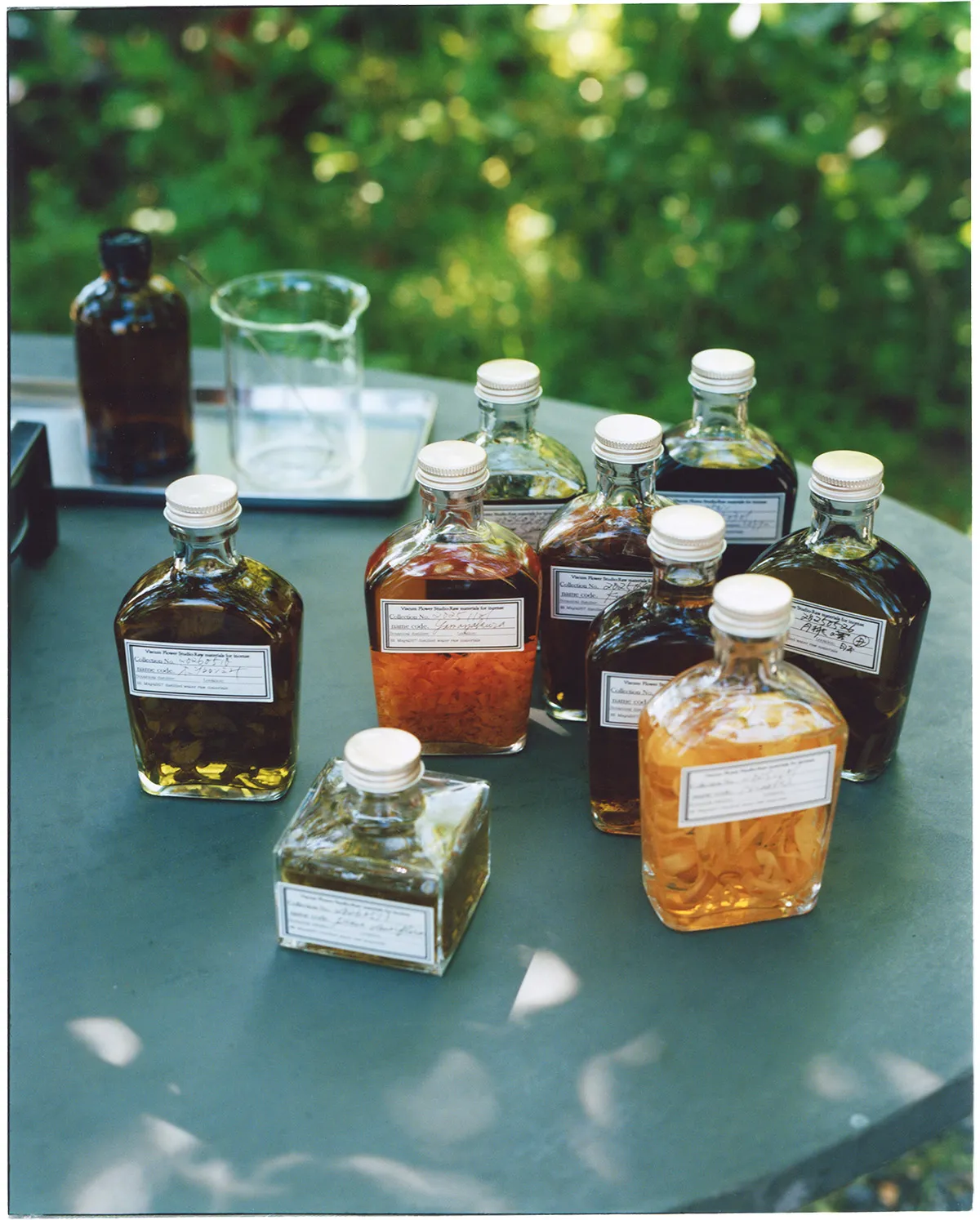
I started by creating around eight variations. From there, we narrowed them down to two, then continued refining them into even more subtle differences. What I found interesting was that, in the end, we came back to the very first one―the one I had instinctively felt was probably right from the beginning.
Every now and then, there's a moment when I smell something and simply think, "Ah, this is it." Fragrance changes over time, so I always let it rest for a while. I watch how it develops as it's exposed to air, how it gradually opens up.
The moment I felt it had become even better after breathing a little, I knew without hesitation that this was the one. What's interesting is that I never told anyone, "I think this is the right one."
Even after trying so many different variations, everyone naturally arrived back at the same fragrance. Something like this happens from time to time, no matter what kind of project I'm working on.
NN: The composition itself is remarkably complex.
Okamoto: Yes. I don't usually layer this many materials together.
Sometimes fragrance benefits from adding more, and sometimes it's about taking things away. But with the NICENESS fragrance, I felt that its beauty lay in the way time unfolds through those layers. The first impression gradually settles, allowing the notes that were quietly hidden beneath to emerge little by little. It's a fragrance that reveals itself over time.
Rather than imagining a floral scent, I was picturing a dense forest and an urban landscape slowly blending together, quietly aging into one another. I imagined layers of old paper and well-worn fabrics.
Not something that simply weathers with age, but something that gains depth, almost as if it were fermenting. Fragments of the natural world―trees, moss, and resin―gradually begin to settle into those layers. That was the landscape I had in mind. Each material carries its own timeline of memories for me.
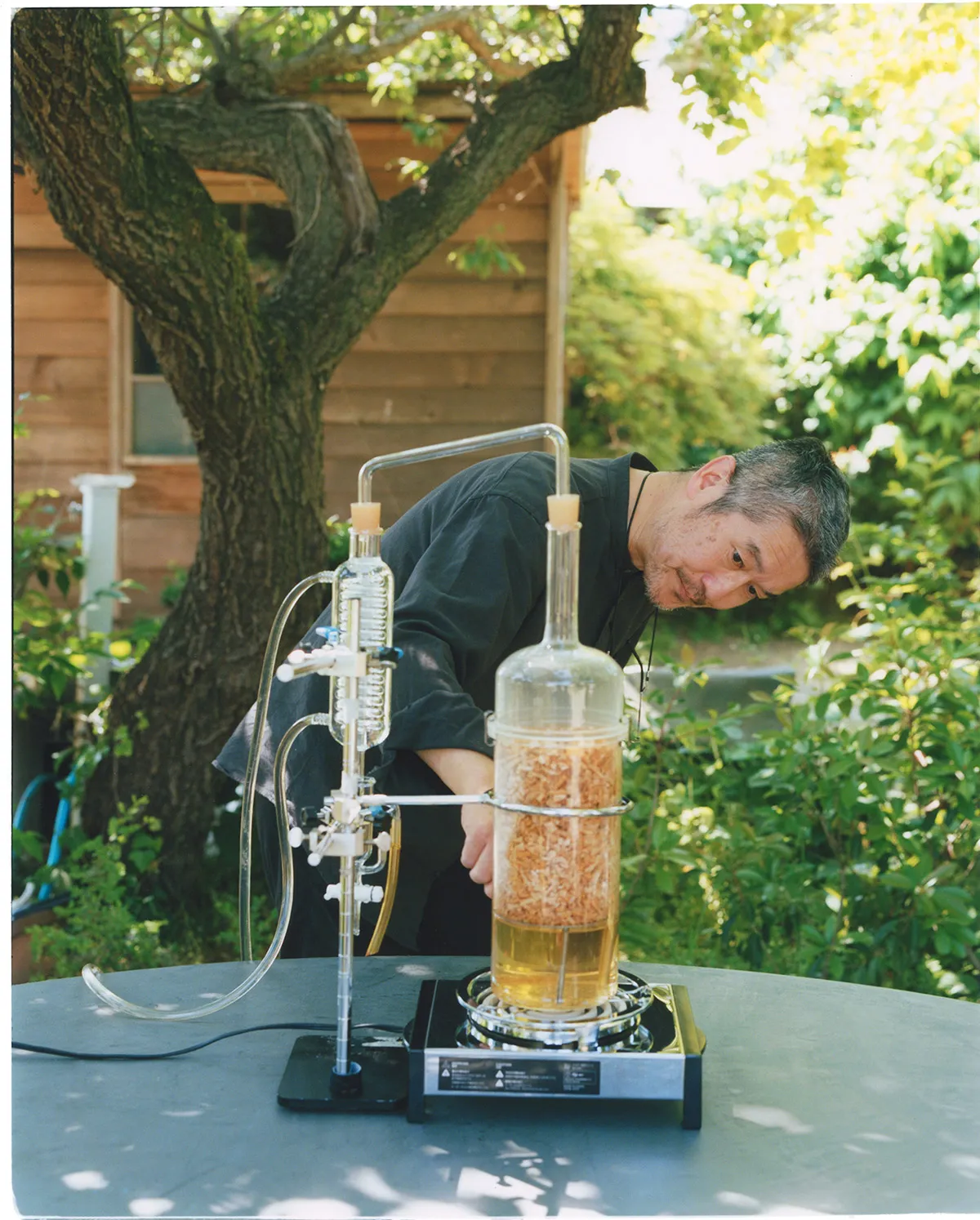
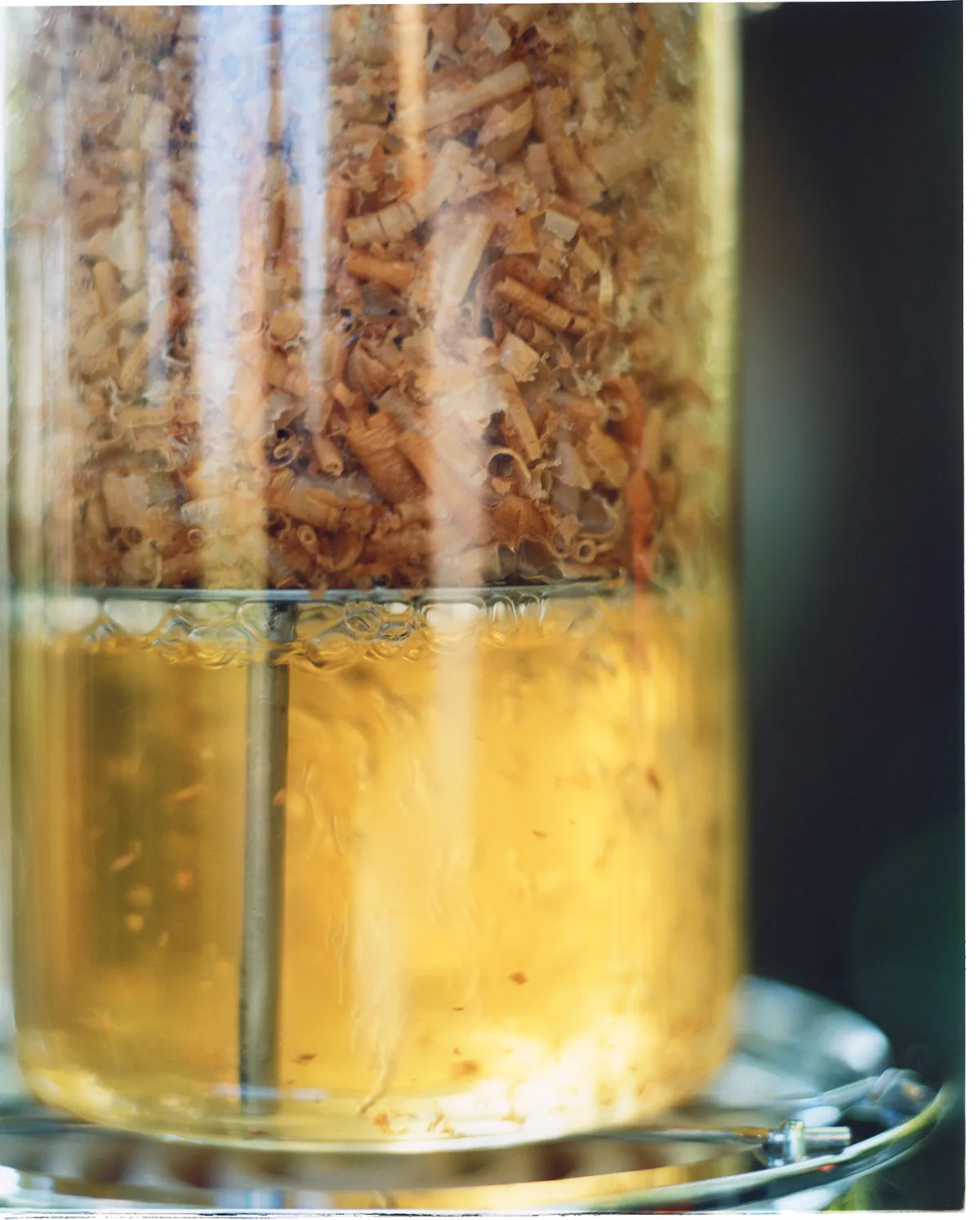
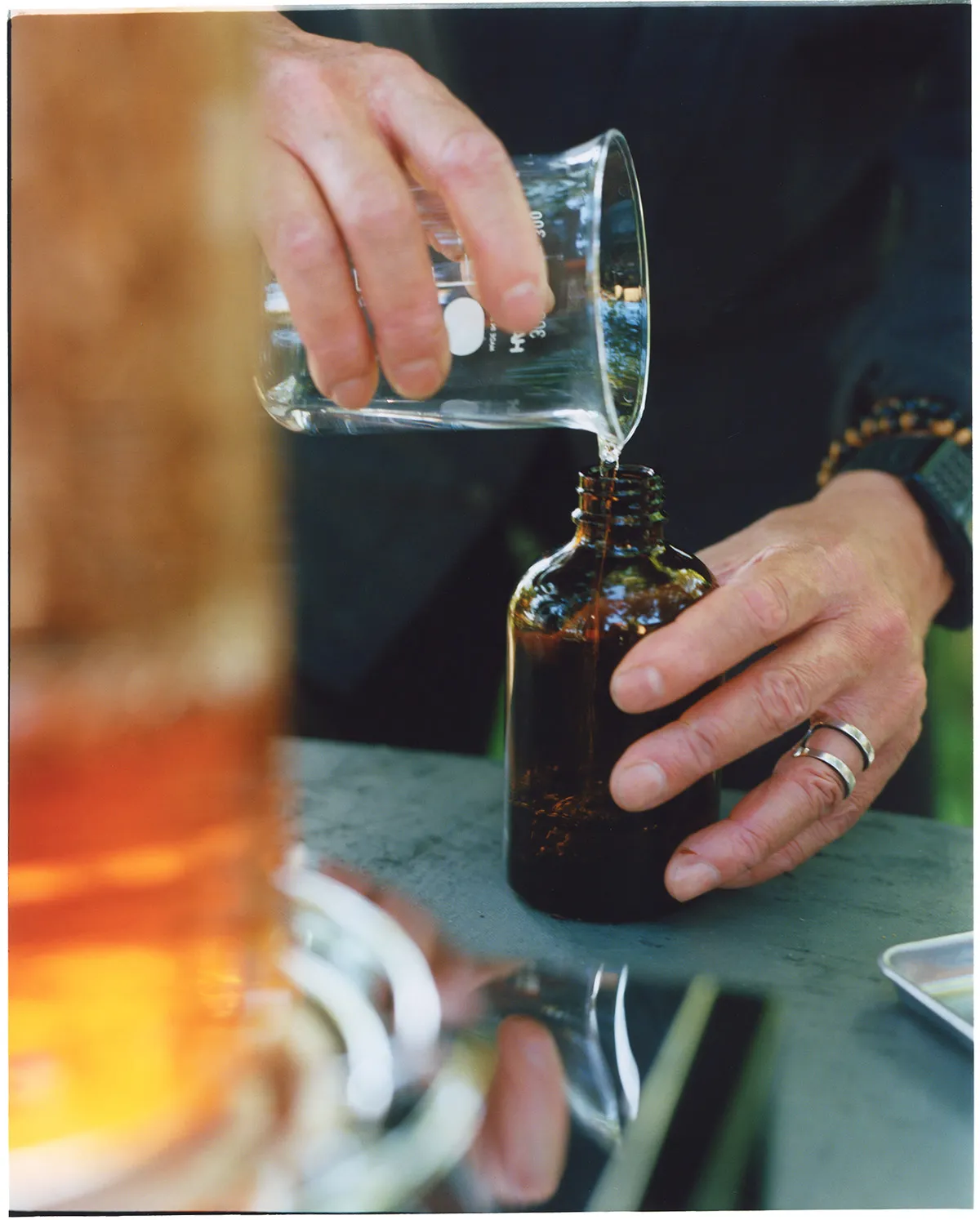
I began with Japanese red pine, a tree long rooted in this country. The wood was steeped in ethanol over an extended period, creating the foundation that quietly embraces the entire composition. From within that gentle presence, distilled cherry blossom water slowly begins to emerge.
From there, the fragrance gradually moves beyond the landscape of Japan. Plants from different parts of the world begin to connect naturally, coming together to form a single landscape.None of the materials exists independently. They respond to one another, continually changing their expression as time passes.
The first impression opens lightly with hemlock spruce, cypriol, betel leaf, and clary sage. Gradually, it gives way to oakmoss, amber, and ambrette seed. To me, that transition is just as important as the fragrance itself.
Fragrance is shaped not only by the person wearing it, but also by the surrounding air, the space, and even the materials it comes into contact with―paper, fabric, wood. It also changes according to each person's own memories and experiences.
That's why I don't believe fragrance has a single correct answer. I don't think of essential oils as mere ingredients.
They're small signals released by living plants, only to be perceived again by another living being as fragrance. As that quiet exchange continues, fragrance begins to feel less like a scent and more like something alive.
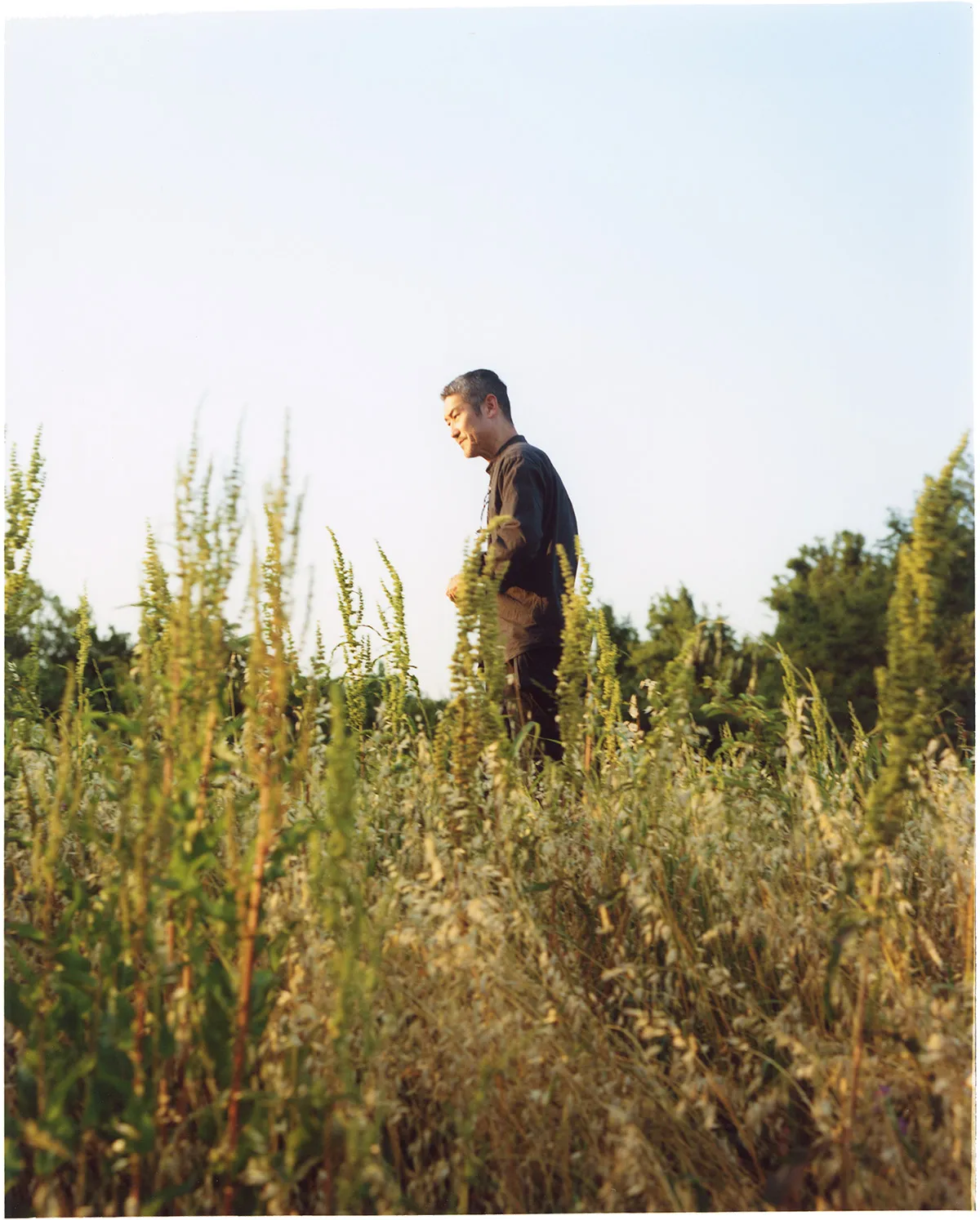
I hope this fragrance isn't understood in a single moment. Rather, I hope it's experienced as a landscape that slowly changes over time.
NN: A year has passed since then, and now that fragrance is about to become available as a diffuser.
Okamoto: That's right. The fragrance was originally created for the space itself, so I'm genuinely happy that people will now be able to bring it home with them.
Fragrance only begins to reveal certain qualities through time. Even over the past year, it has continued to change. The sharper edges have softened, and each material has gradually settled into the others.
In a way, the time we've spent waiting has become part of the fragrance itself. The biggest difference between this diffuser and the original spray isn't simply the fragrance. I wanted people to take home a landscape as well.
The closest idea, for me, is the Japanese concept of shakkei, or "borrowed scenery." It's a way of seeing not only what is directly in front of you, but also the landscape that exists beyond it. That's why I wanted the plants themselves to remain present inside the bottle.
The quiet presence of those botanicals, spending time within the liquid, is part of the diffuser itself. Inside the bottle, we've placed plants that have been steeped in ethanol.
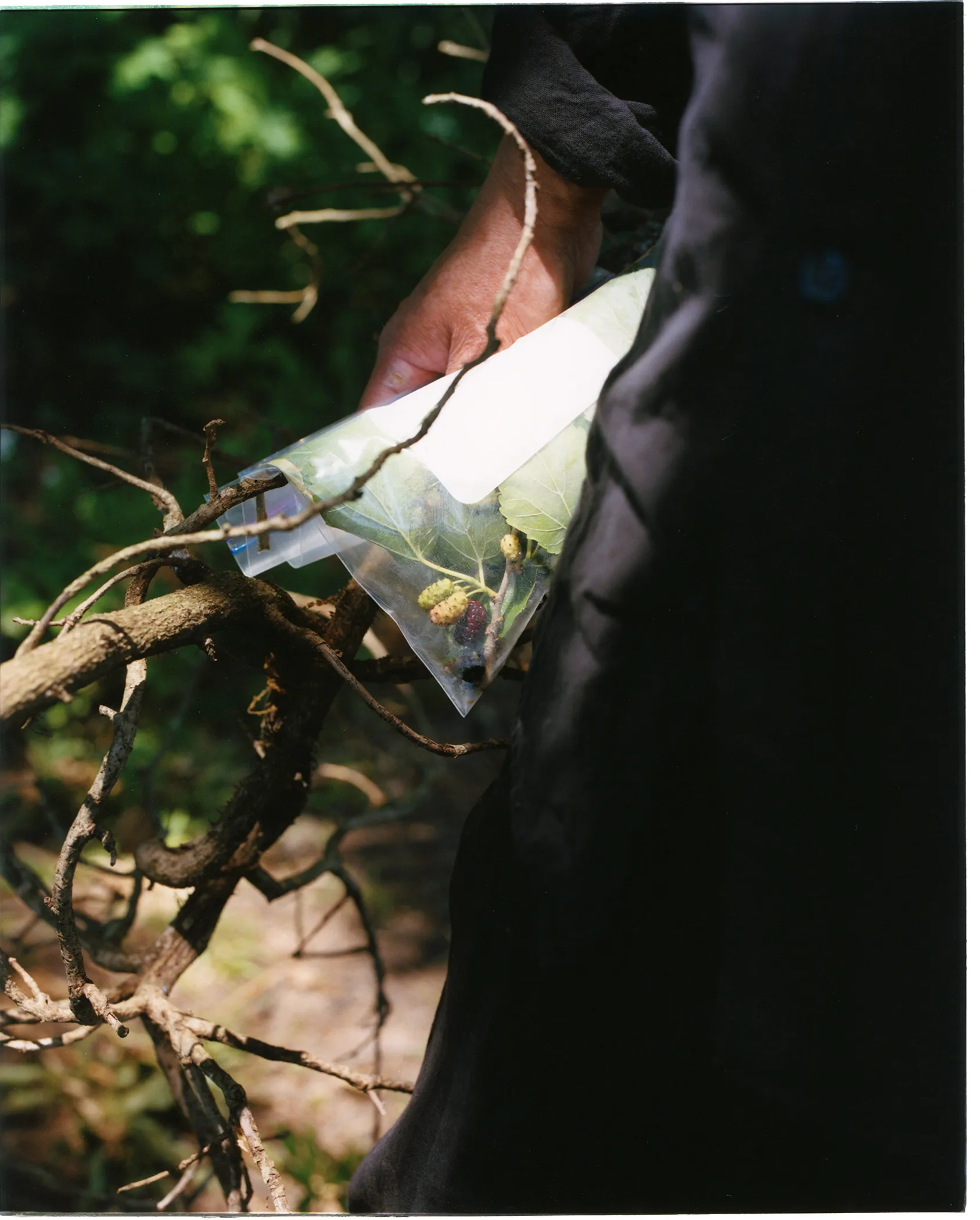
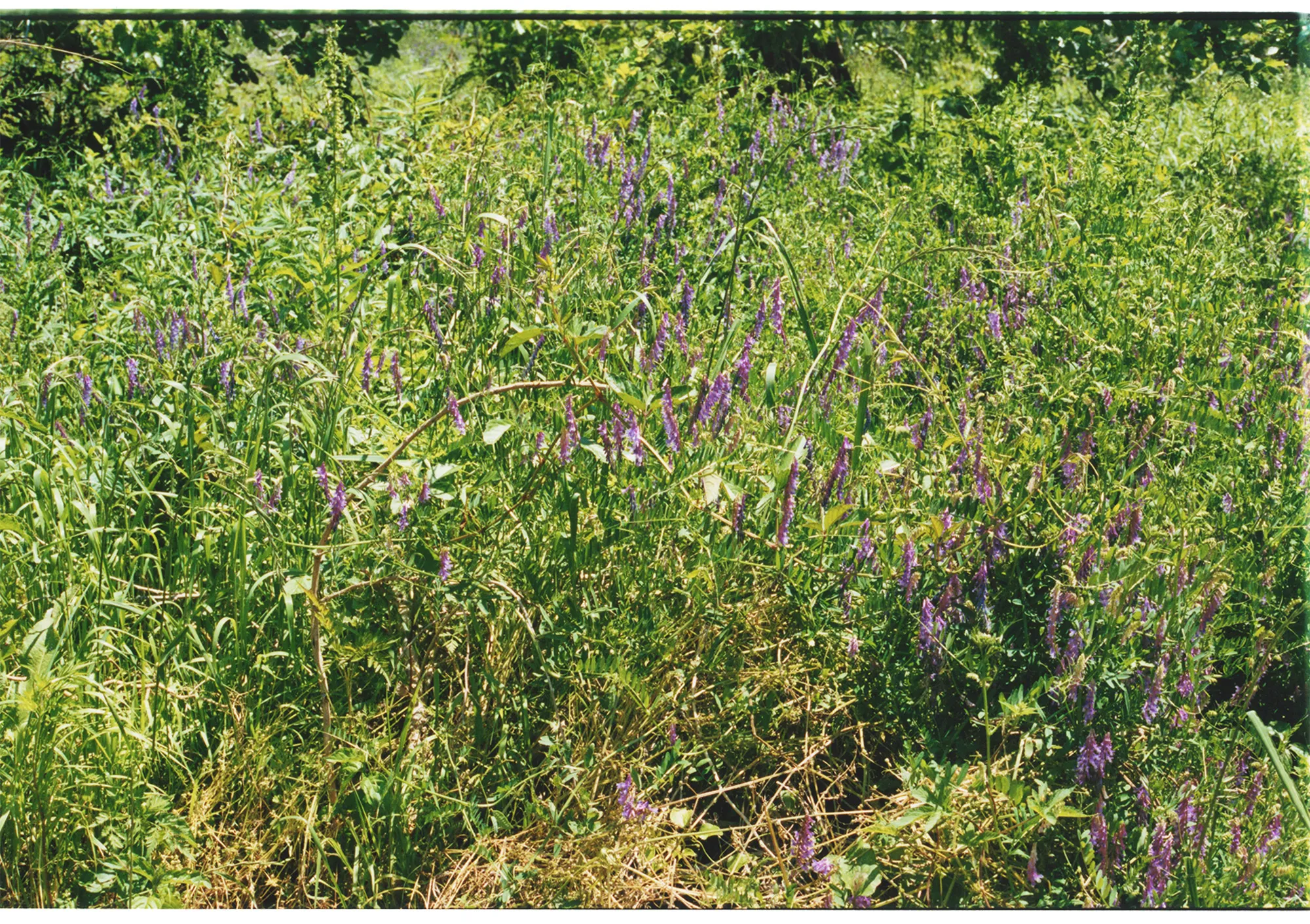
Alongside Japanese red pine chips, we've introduced the fruit of yashabushi (Japanese alder). Rich in tannins, yashabushi has long been used as a natural dye in Japan. Because of its close relationship with textiles, it felt like a material that naturally connected with the way NICENESS approaches making clothing.
We've also imagined two different ways of enjoying the diffuser. One is the familiar method of using reed sticks to gently diffuse the fragrance throughout a room. The other is the way we currently use it at the NICENESS store―placing a few drops onto dried branches or seed pods.
I hope people will choose whichever feels right, depending on the season, the space, or simply their mood that day. I especially enjoy applying the fragrance to dried wood or botanical materials.
Over time, the scent gradually seeps into the wood, and the material itself seems to begin remembering the fragrance. Rather than experiencing something already complete, I hope people will enjoy allowing the fragrance to slowly evolve within their own space. That's how I'd like them to live with this diffuser.
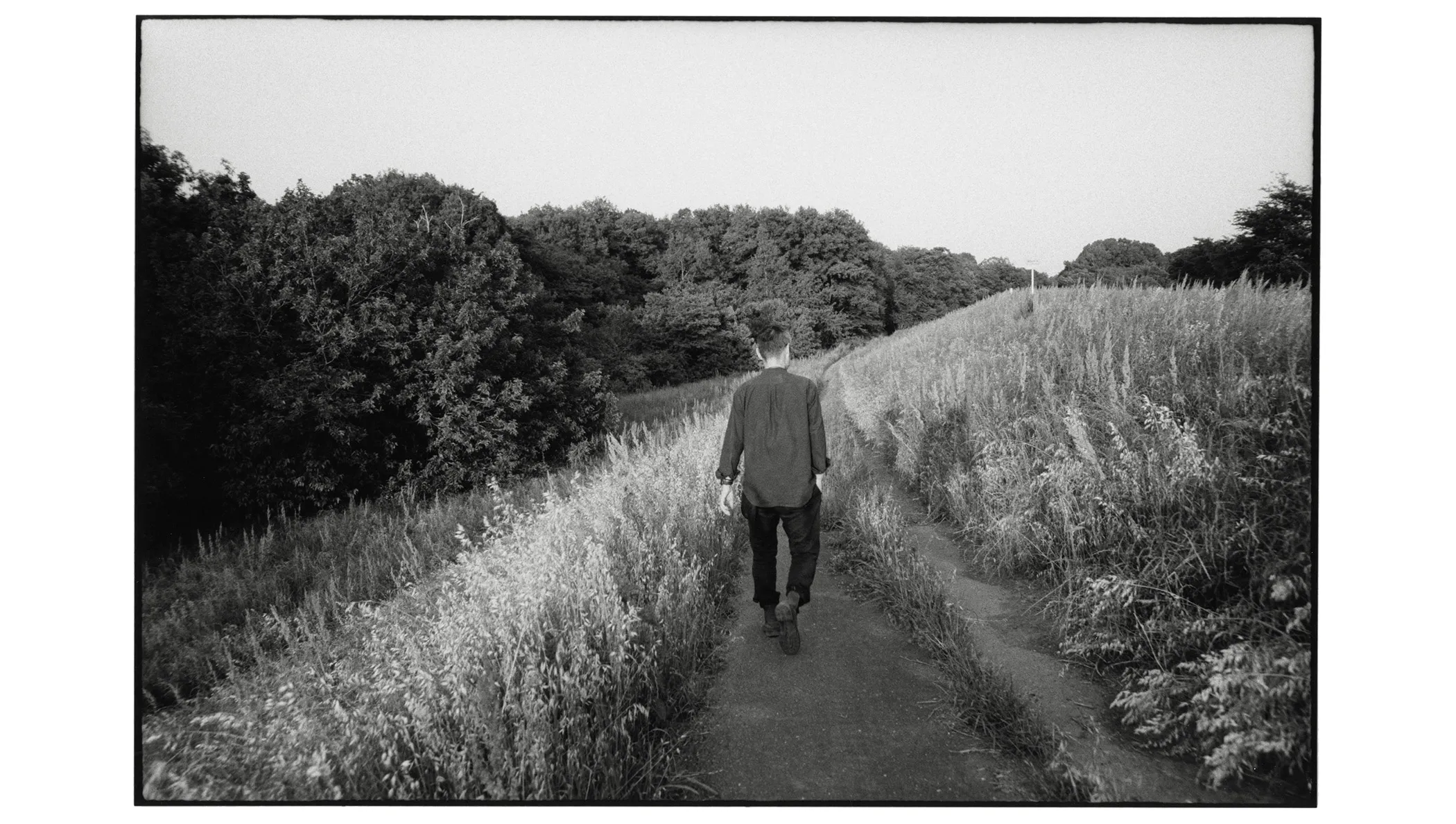
Finding Joy in Waiting
NN: Is there a culture or way of thinking you hope to pass on to future generations?
Okamoto: Lately, I've been thinking a lot about how having access to everything doesn't necessarily make us richer. In exchange for convenience, I feel we've gradually lost the time to wait, and the time to imagine.
Plants don't grow according to our schedule. It takes time for a seed to sprout, and they follow the rhythm of the seasons, not our own. Waiting is simply part of their nature.
Fragrance is much the same. Certain qualities only reveal themselves through maturation. So what I'd like to pass on isn't a rejection of efficiency or convenience. It's the importance of leaving room. Room for ambiguity. Room for imperfection. Room for time.
I believe it's within those slower, less defined things that we discover something deeply human. Fragrance has a way of bringing memories back. Not only the important ones, but the smallest, most unexpected moments.
A familiar scent can suddenly return you to a place or a feeling you thought you'd forgotten. Perhaps that's why fragrance matters. I hope future generations will continue to find joy in taking the longer path, and in waiting for things to unfold in their own time. I'm still learning that myself.
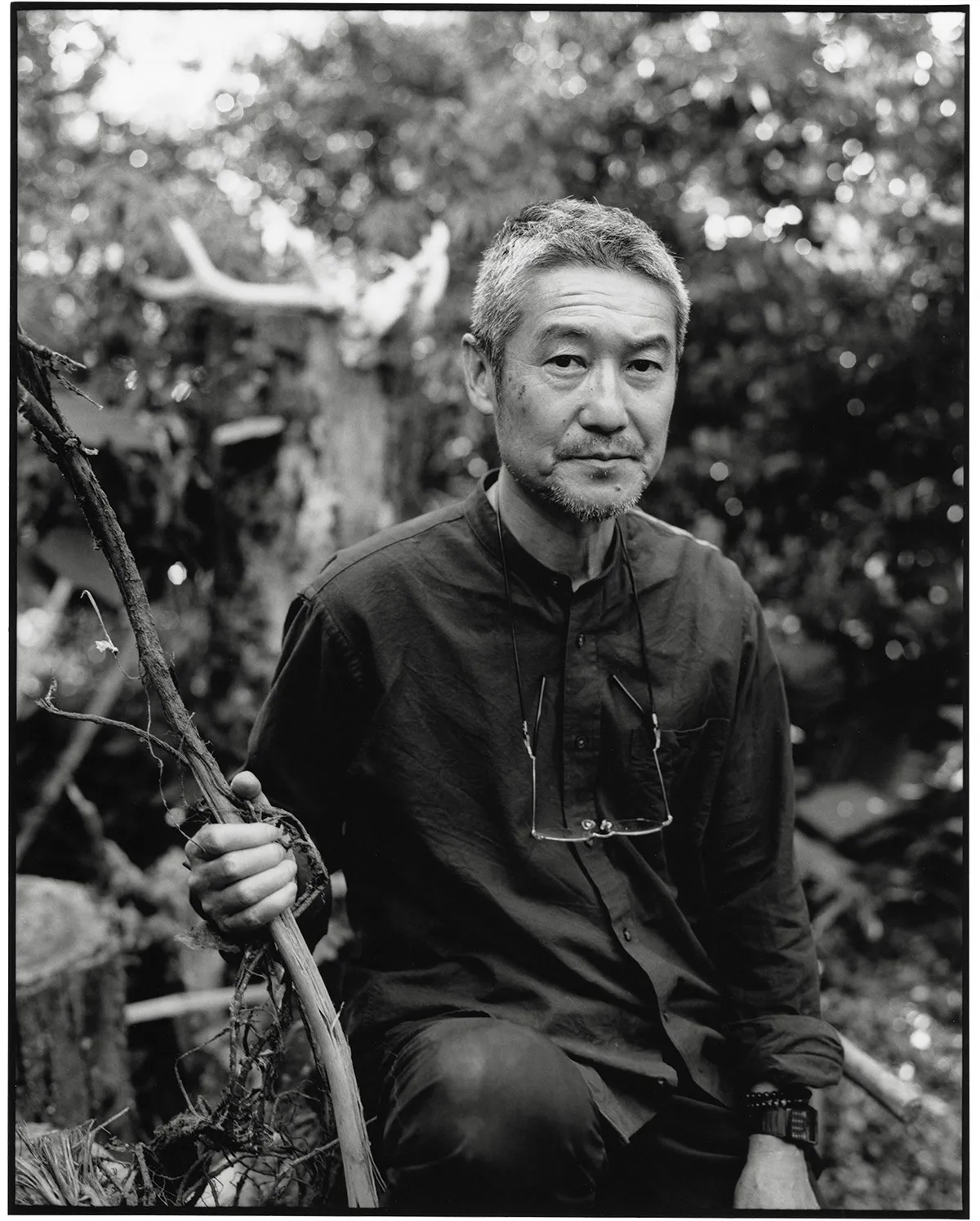
Toshihide Okamoto
Viscum/Viscum Flower Studio
Working across plants, scent, and space, Toshihide Okamoto builds new relationships between people and nature, people and their environment. His practice spans scent development from botanical materials, spatial design, and the conception and direction of brand identities. In recent years he has centered his work on plant distillation and the study of plant-derived aromatic compounds—drawing out the power plants inherently hold, and connecting the natural world with the city. Attentive to how deeply scent binds itself to memory, emotion, and the character of a place, he continues to explore its possibilities as a medium of communication between people and the places they inhabit.