SPRING / SUMMER 26
Right. Left. In three hundred meters, your destination.
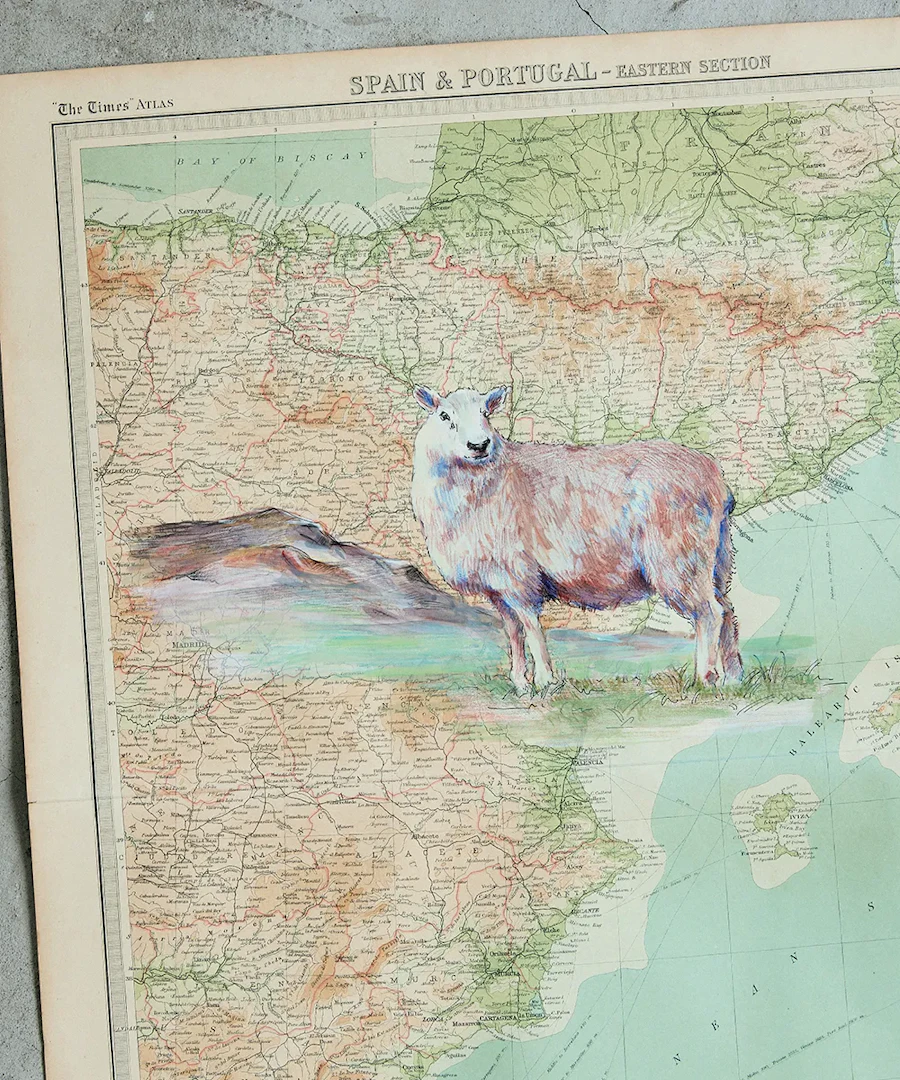
Navigation has become almost frictionless. A device in your pocket, another at your ear, and the city arranges itself around you as you walk. Compared to twenty years ago, when I first began traveling abroad, the difference is difficult to overstate. Back then, a folded map was a constant companion—something to squint at on street corners, reorient around, occasionally argue with.
Paris, even now, resists easy navigation. No matter how many times I've visited for fashion week, the city maintains a certain opacity. The Marais in particular—dense with showrooms, its streets still shaped by seventeenth and eighteenth-century buildings—has a way of absorbing you before you've realized you're lost. And yet, over time, the city begins to reveal itself through other means: a café remembered by its awning color, a restaurant by its particular light, and above all, the public art that surfaces without announcement from the walls of everyday streets. A silhouette in a narrow alleyway. A motif encountered again, blocks away. These scattered coordinates, absent from any map, slowly assembled themselves into a private sense of place.


Public art in Paris is not monumental. It does not announce itself the way a landmark does. It exists rather as part of the city's texture—something woven into the grain of ordinary walls, unremarkable until it suddenly isn't. When people think of street art, Banksy is often the first name that comes to mind. But the lineage begins earlier, in Paris, in 1981—when Blek le Rat began stenciling rat silhouettes onto city walls. The rat: the creature that moves most freely through urban space, ungoverned by its boundaries. Through the stencil—a technique that allows an image to be applied quickly, repeatedly, without permission—he placed art not in galleries but in the extension of daily life.
Ernest Pignon-Ernest, another French visual artist, sought the same territory. He worked in deep engagement with history and social memory, installing drawings and posters in sites chosen precisely for the weight of their context. His pieces were exposed to weather, slowly peeling away—and he accepted that erasure as part of the work itself. The impermanence was not incidental. It was the point.


What these artists share, I think, is less a technique than an attitude. To refuse the closed room. To place a message in public, where it has no choice but to meet the world. The street as canvas. The street as medium. For NICENESS, that canvas has always been clothing. In an industry where mass production is the assumption and trends are consumed before they've fully formed, we have held to a different orientation: not efficiency, but the leaving of a trace.
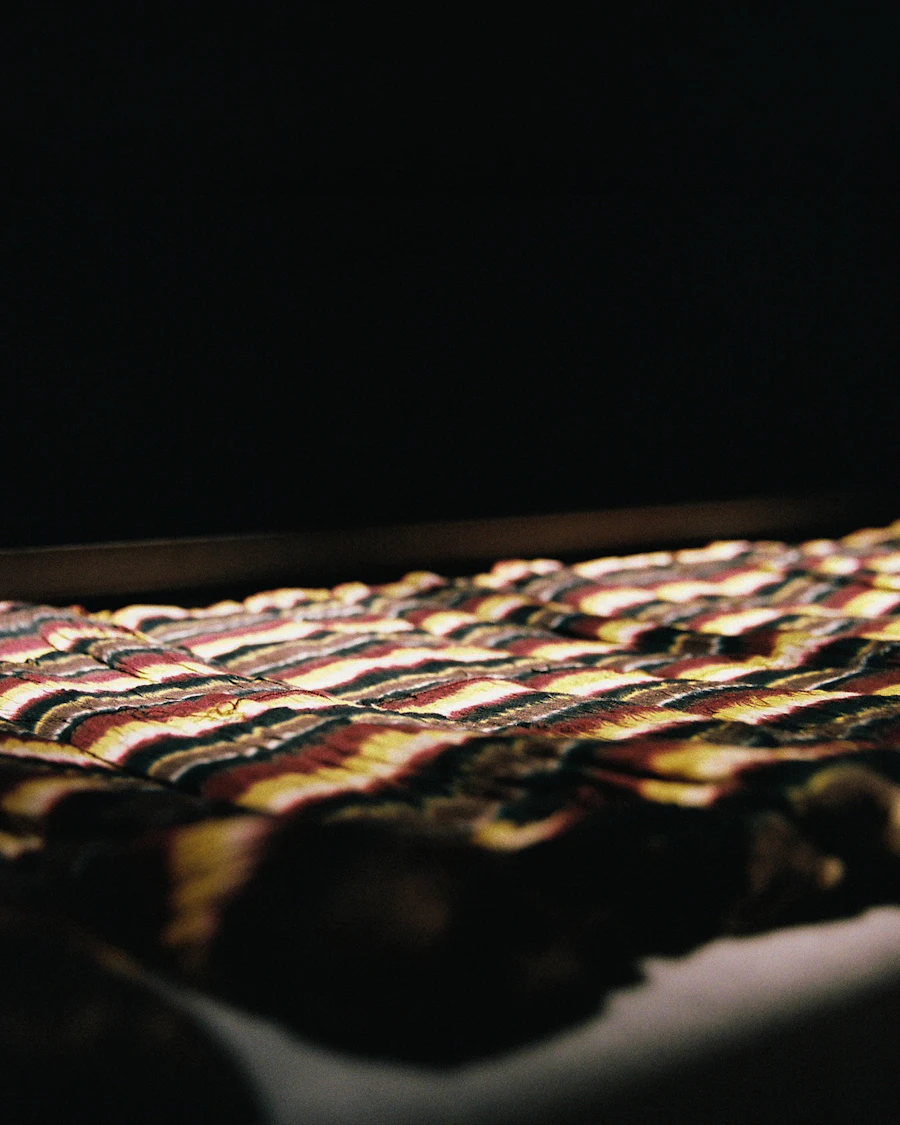
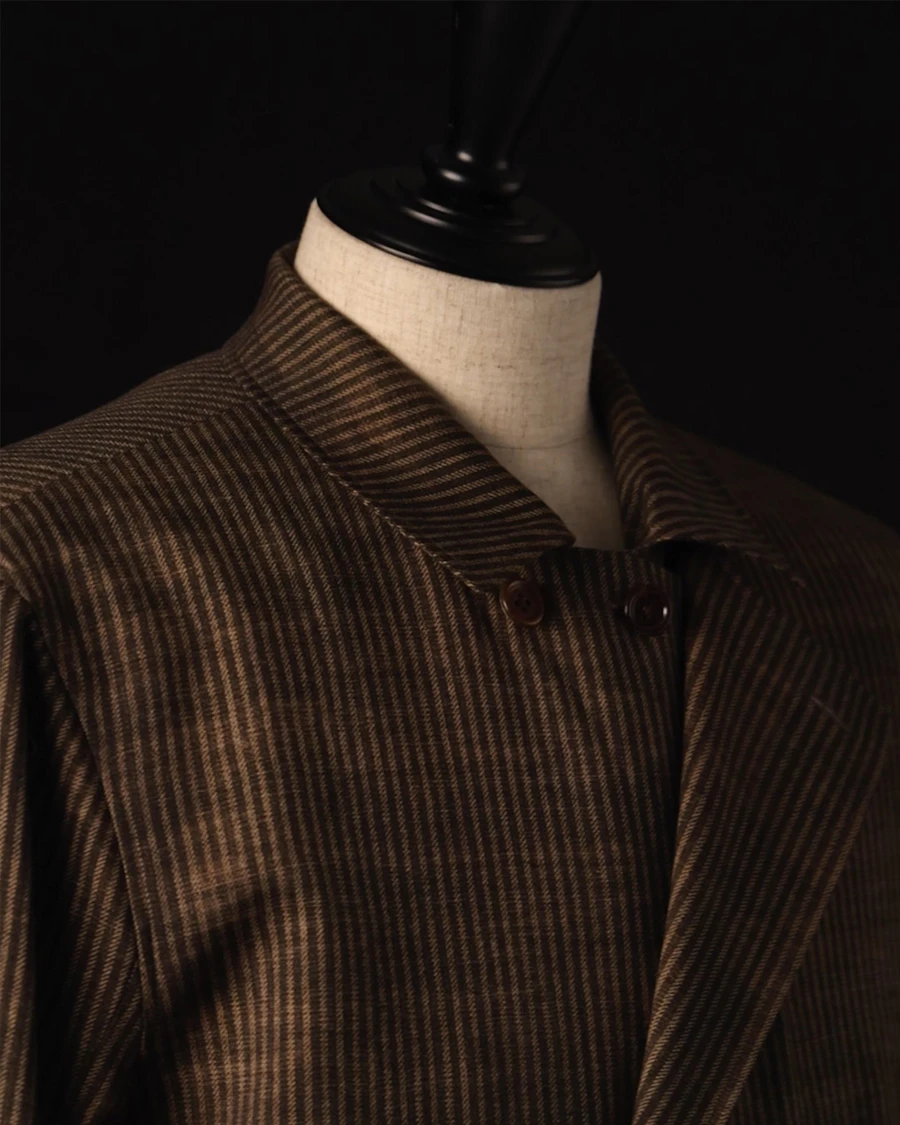
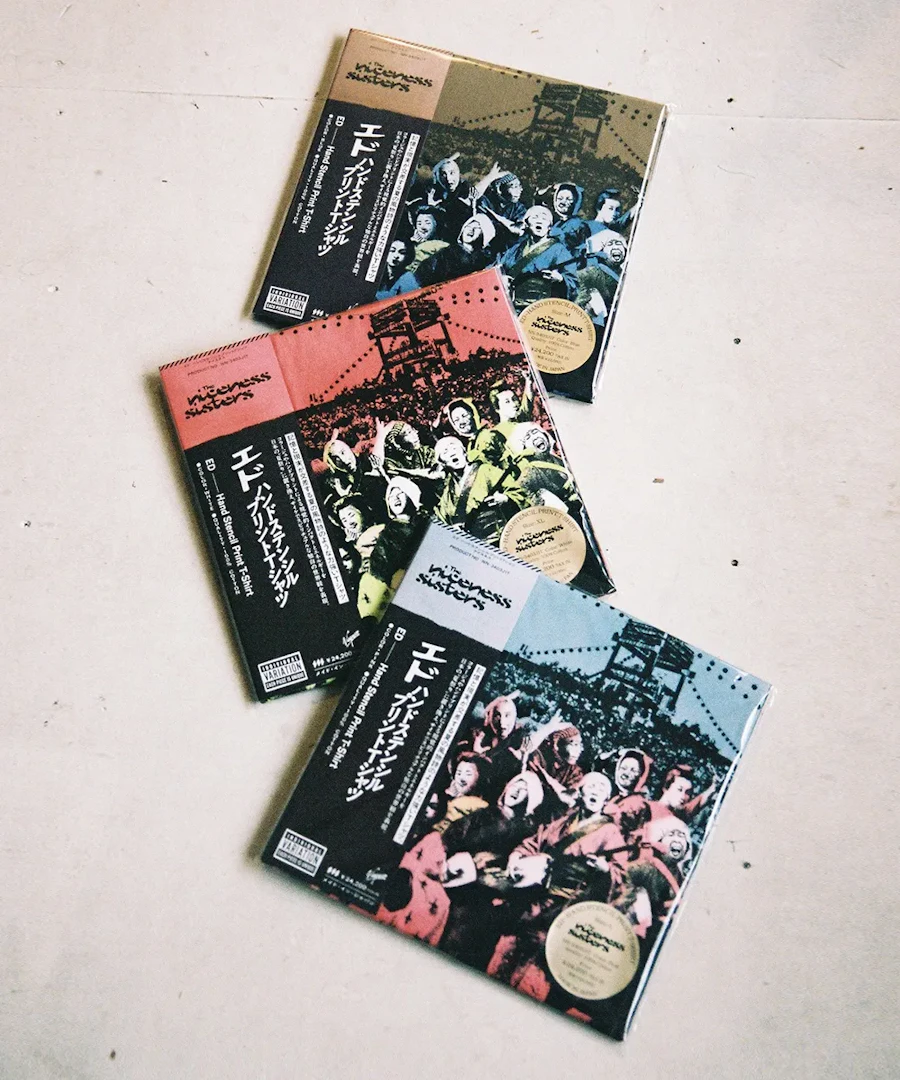
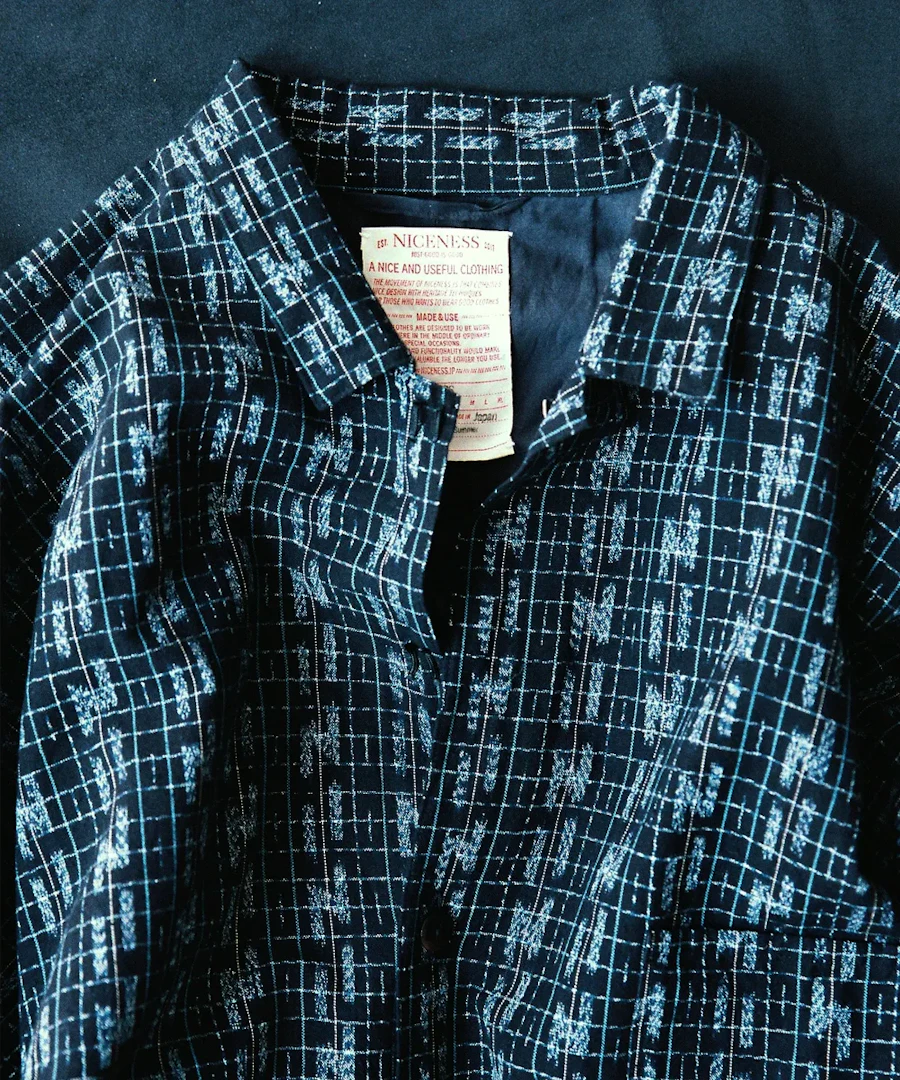
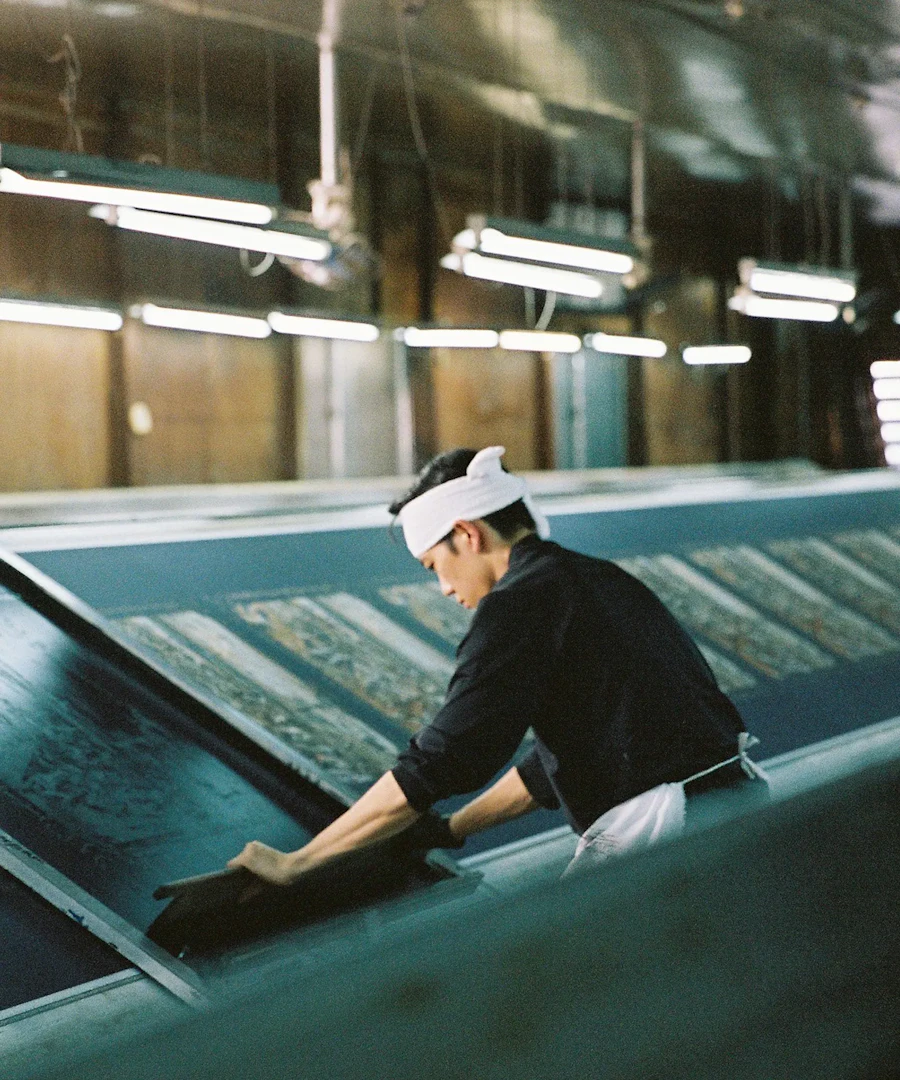
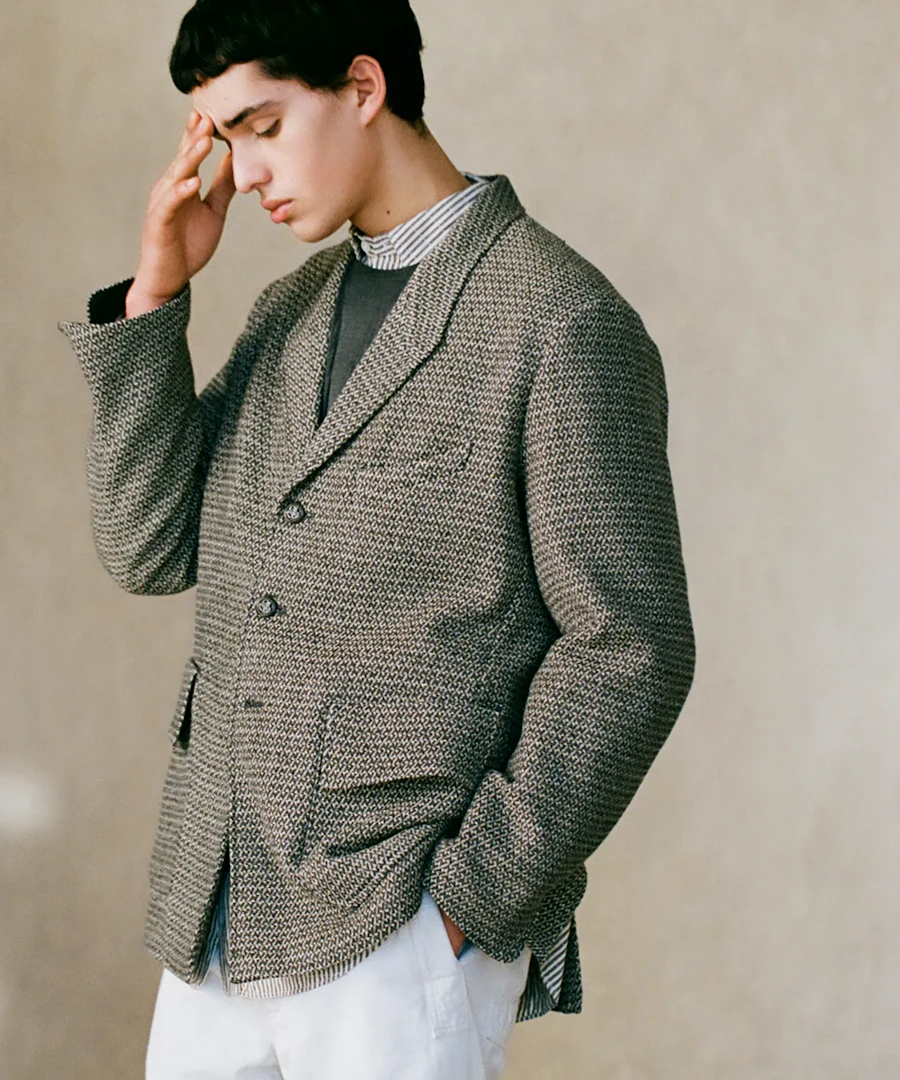
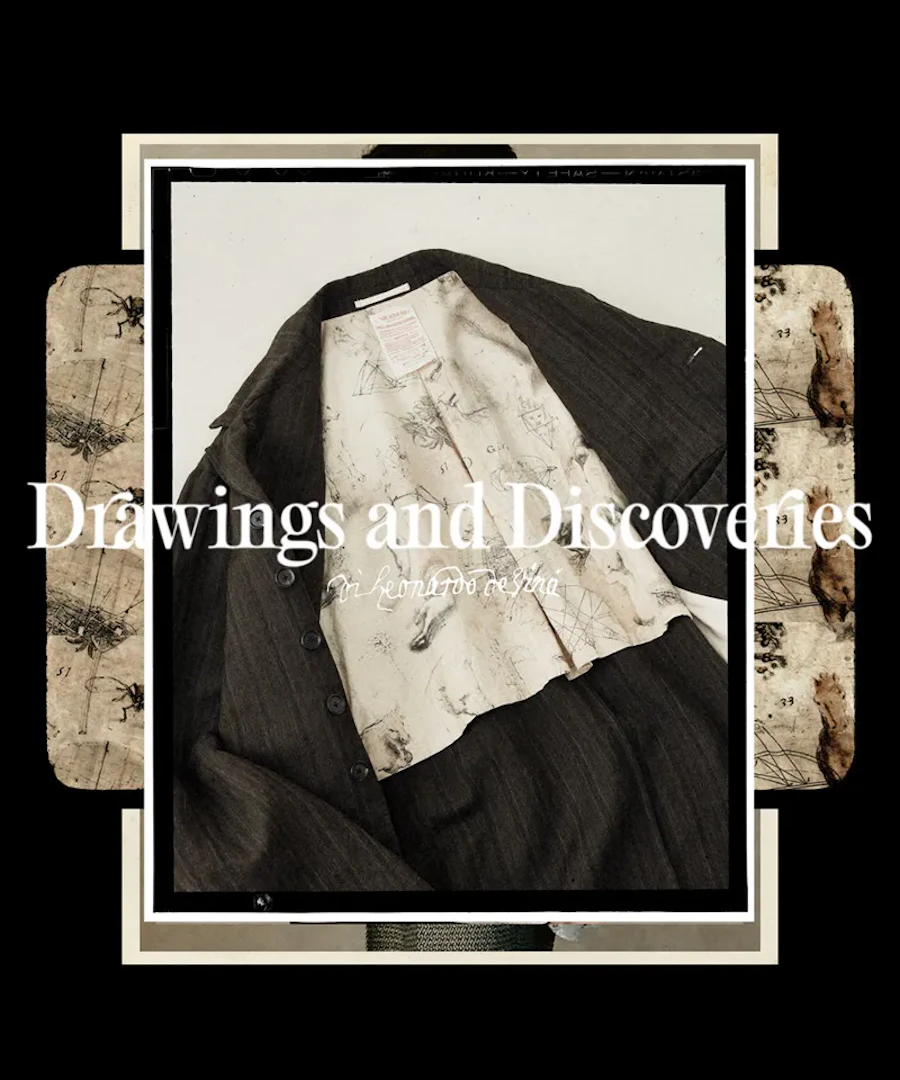
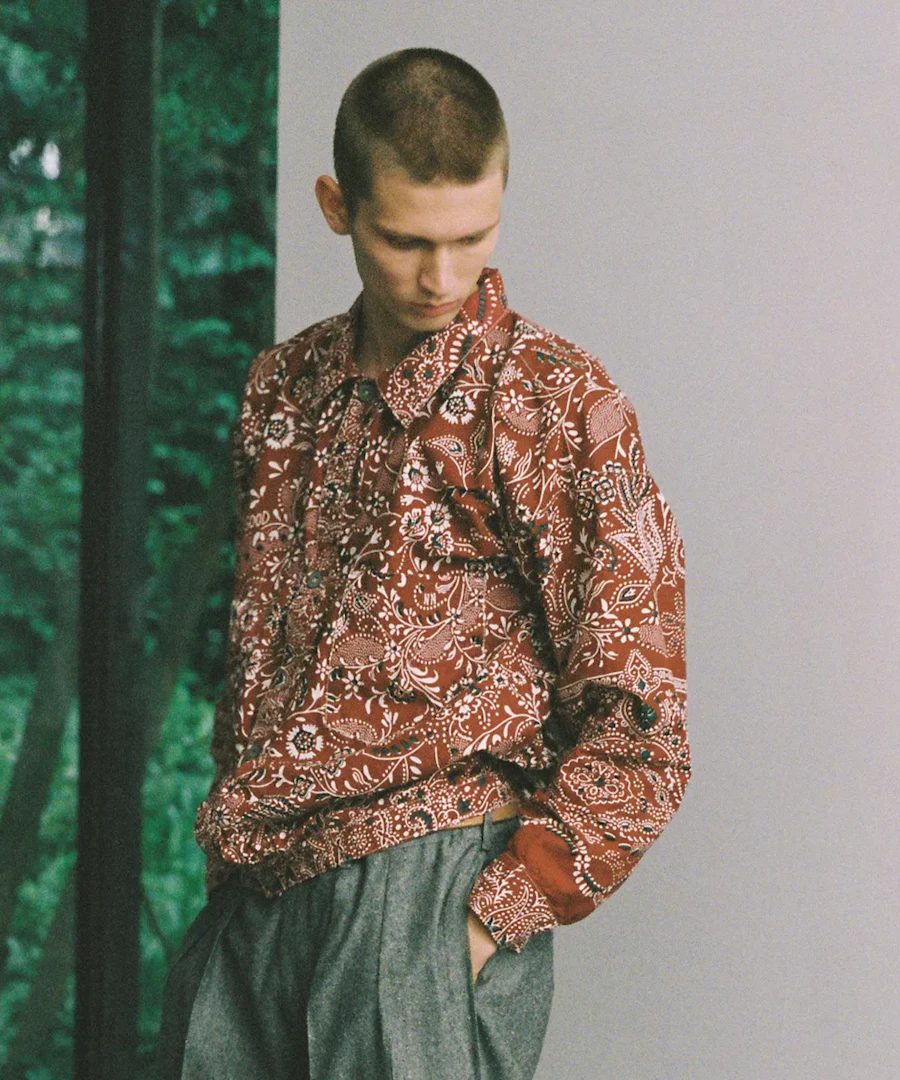
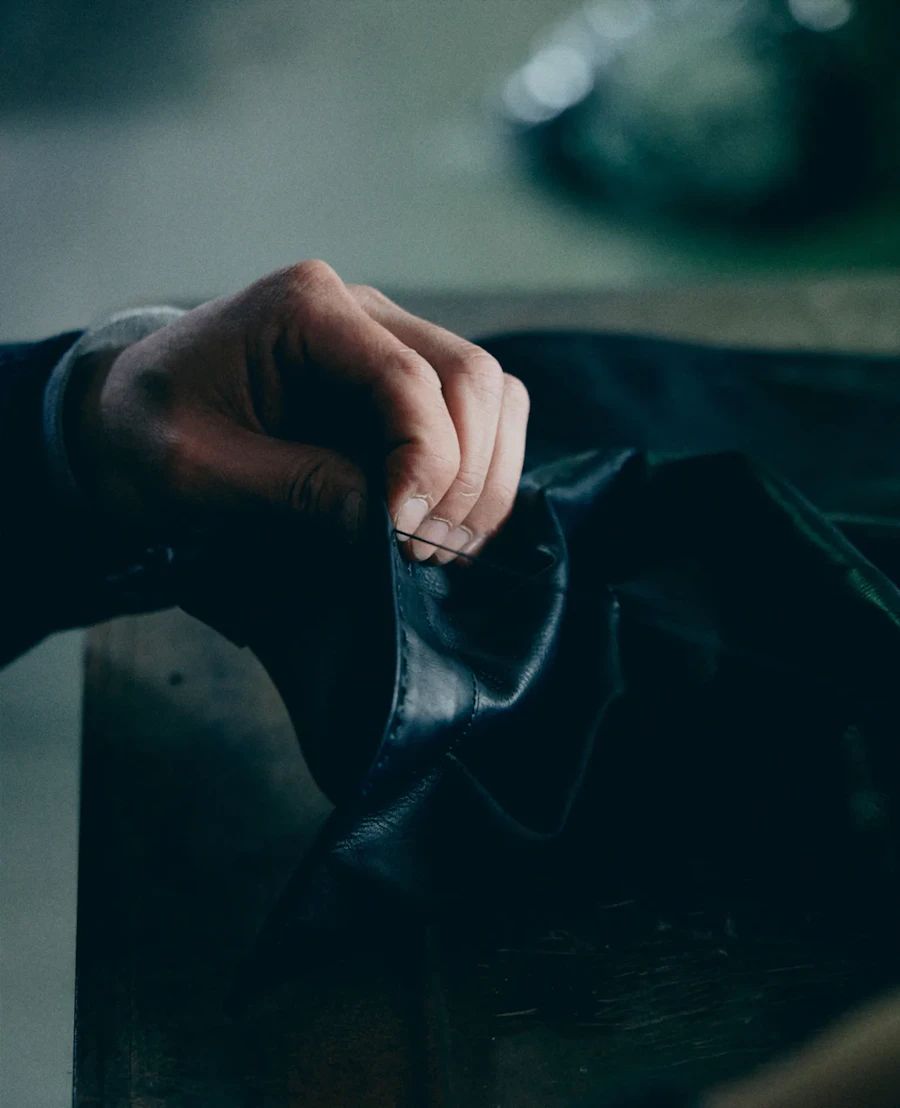
The utility jacket H.ROLLO and trousers H.BLISS, developed for this season, carry a stencil-printed text drawn from the philosophy that guides how we make things. Working on a herringbone cloth blended from linen and cotton, artisans in Kyoto apply dye by airbrush through hand-cut stencils. The placement of each stencil, the gradation and bleed produced by varying air pressure—because every step is done by hand, no two pieces arrive at the same result. In that variation, the presence of a human hand becomes unmistakable.


The world has grown more convenient in many directions, and something has been lost in proportion. I still remember with unusual clarity the streets I navigated by map in unfamiliar cities—the particular quality of attention that getting lost demanded, and the specific satisfaction of arriving somewhere under my own uncertain effort. That feeling is not available through perfect navigation. Fashion, too, has undergone its own flattening: trends now circulate at a global scale, and with that speed has come a uniformity that slowly dissolves the particular. I have no interest in resisting technology as such. But there is something precarious about movement in a single direction, accelerating, without question.
In a world saturated with clothing, what determines a choice? That question cannot be answered by convenience or immediacy alone. To dress is not only to cover the body—it is to take on an attitude, to move through the world in a particular way. Just as the art stenciled onto city walls made its claim quietly, without raising its voice, this jacket and these trousers carry a message that does not announce itself loudly. Imperfection. Irregularity. The presence of a human hand. These are not limitations we work around. They are the source of what we believe in—now, and in this particular moment of making.


Episode