











Unlike fashion wear, outdoor and military garments are designed first and foremost as tools—or even equipment—to protect people in specific environments. Because of this utilitarian foundation, their materials, patterns, and construction techniques have continued to evolve at an extraordinary pace.
Technical fabrics used in such clearly purposed clothing often incorporate cutting-edge technology, and following the development of new products is endlessly fascinating. With each innovation, garments become lighter, more functional, and more refined—the coarse, rustling textures of the past now approaching near-smooth precision. Even the way patterns are created has changed: AI now optimizes layouts to minimize waste, while lasers and ultrasonic methods cut and bond materials, redefining what it means to “sew” a garment.
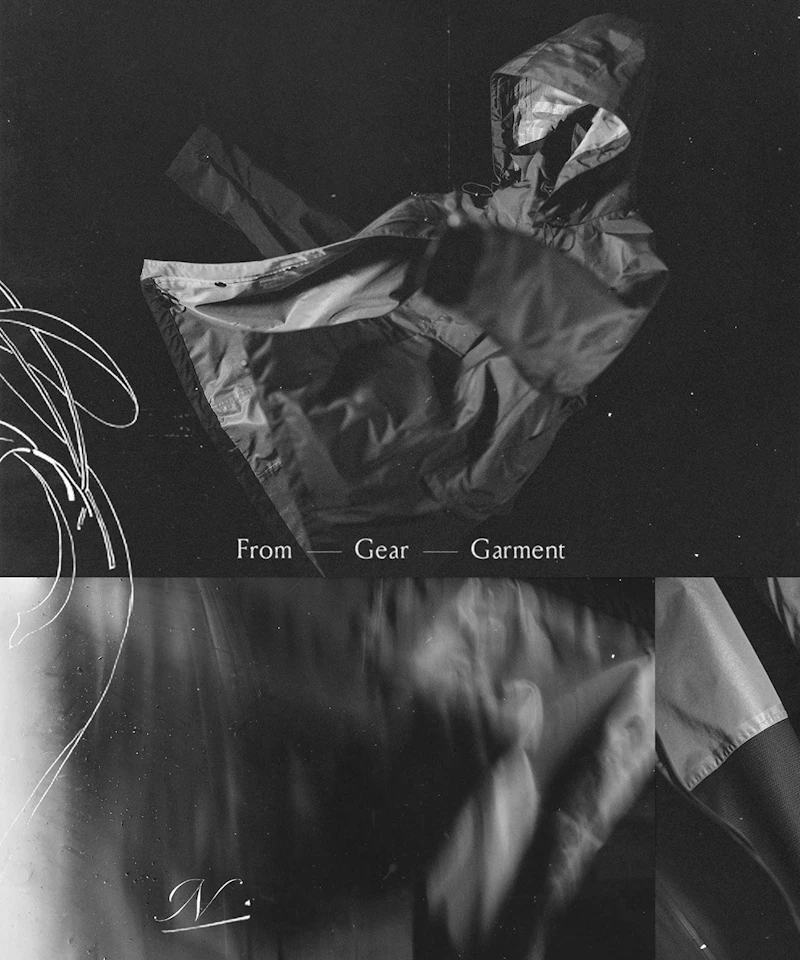
And yet, when viewed through the lens of fashion, these clothes sometimes feel overly technical—silhouettes can be a bit tight, leaving little room for play; the balance may feel awkward for everyday wear; or perhaps they simply lack the joy of dressing. For some time, we had wanted to create an outdoor shell in a 3-layer technical fabric that still felt true to our own sensibility. As often happens, the right fabric and manufacturing partner appeared when least expected, and the idea of a NICENESS-style technical wear began to take shape almost naturally.


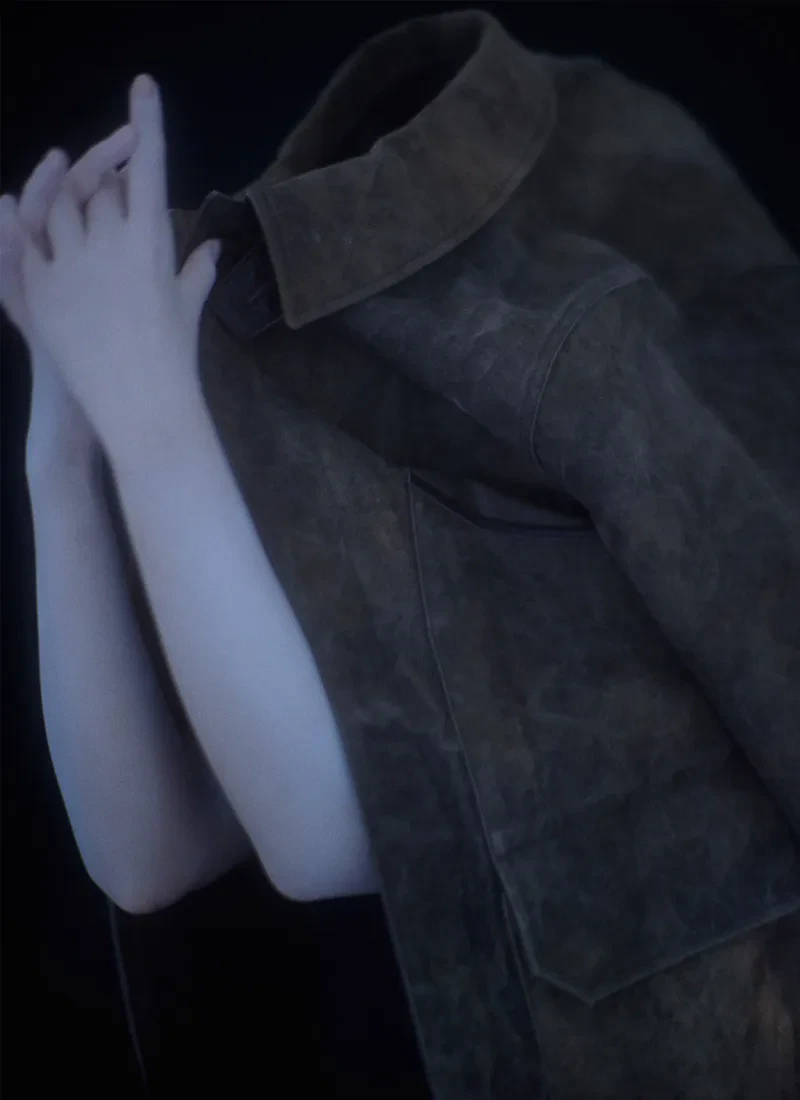
Rather than using the latest Gore-Tex—which, while excellent, can make it difficult to achieve certain silhouettes—we chose a fabric originally developed for military use in the late 1990s to early 2000s. It has a firm, slightly crisp hand and a dry texture, yet offers reliable waterproof and breathable performance. Fabrics from that era retain just enough rigidity to help sculpt the structured, dimensional forms we envisioned.
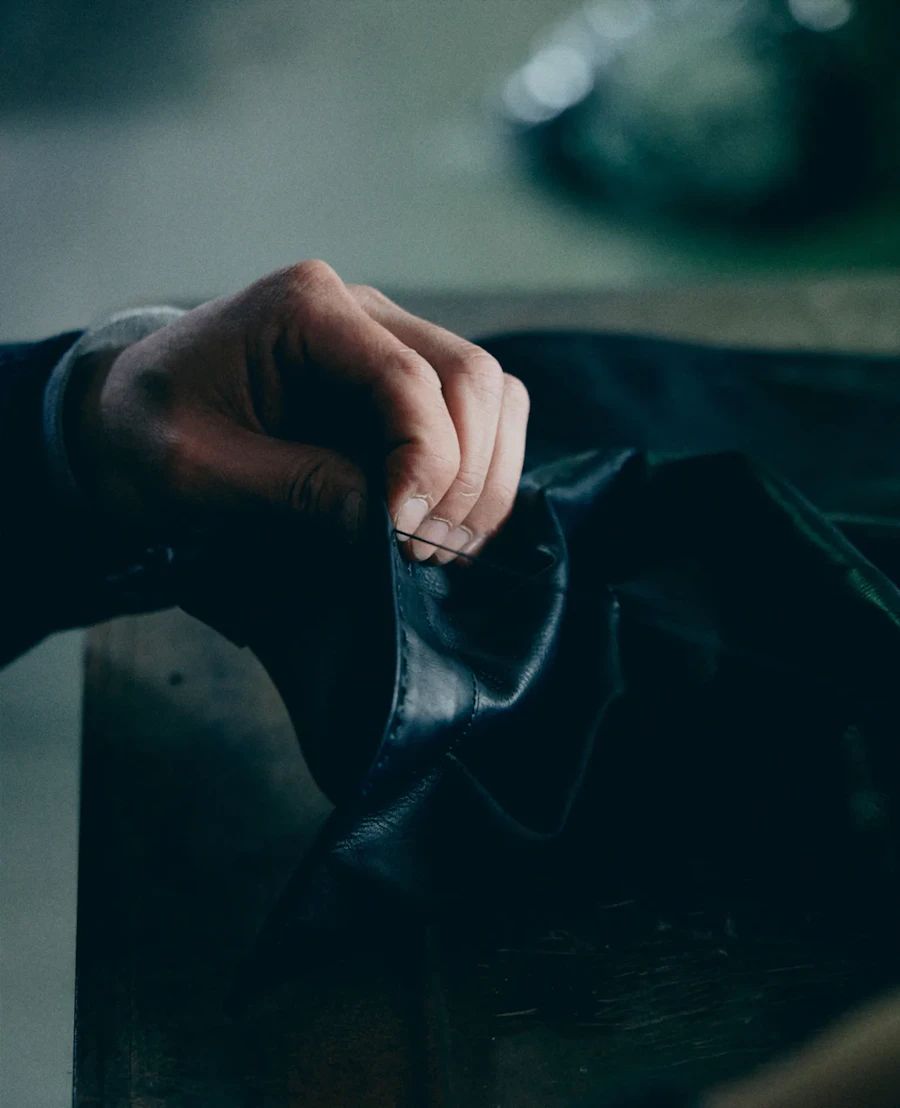
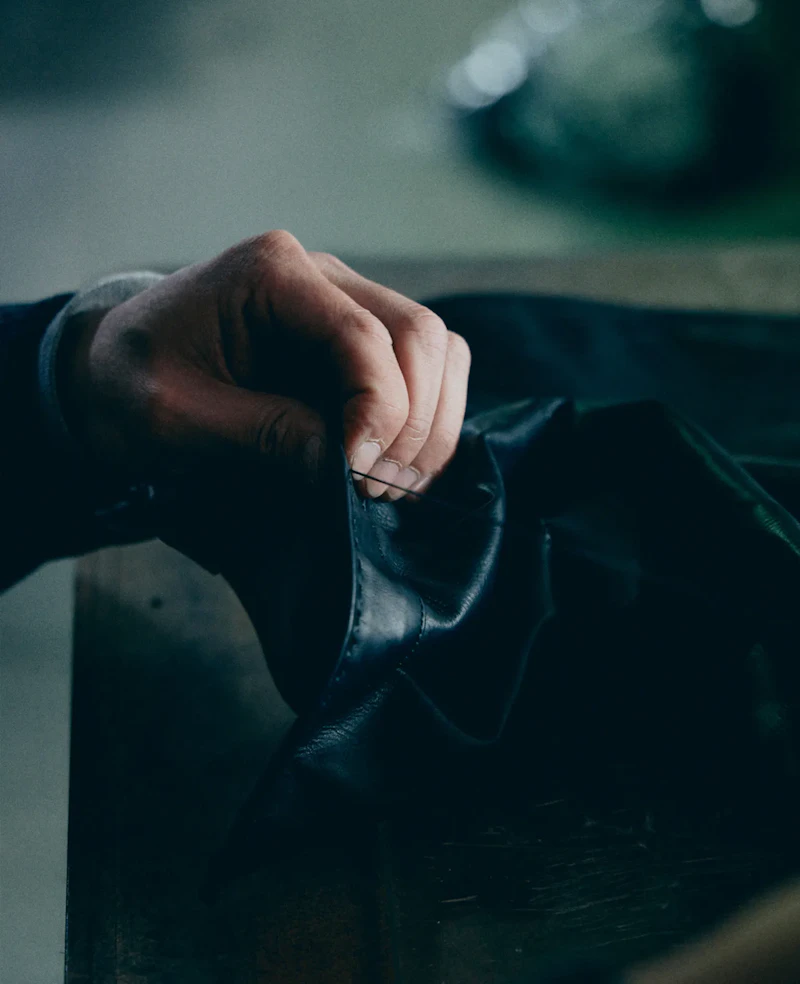
The design, too, draws from the spirit of the 1990s and early 2000s. From a production standpoint, fewer pattern pieces would be more efficient, but this jacket is constructed from over sixty individual parts, each seam meticulously sealed by hand with tape to ensure waterproofing. Every additional panel meant more work for the factory team—countless strips of seam tape to apply, one by one. Their craftsmanship and patience made this piece possible.
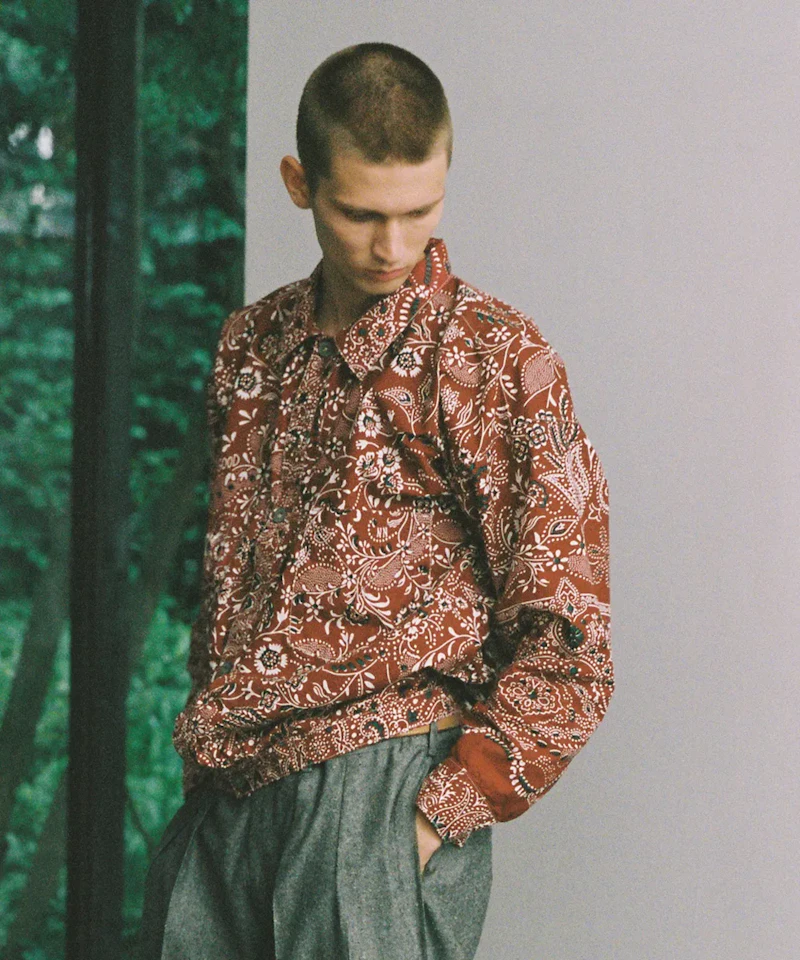
There are many aspects of functionality and design worth discussing, but ultimately, the purpose of this garment is simple: to be worn and enjoyed. It may be technical in nature, but at its core, it was created from a fashion-driven approach—one that reflects who we are, and what we love to make.


Episode