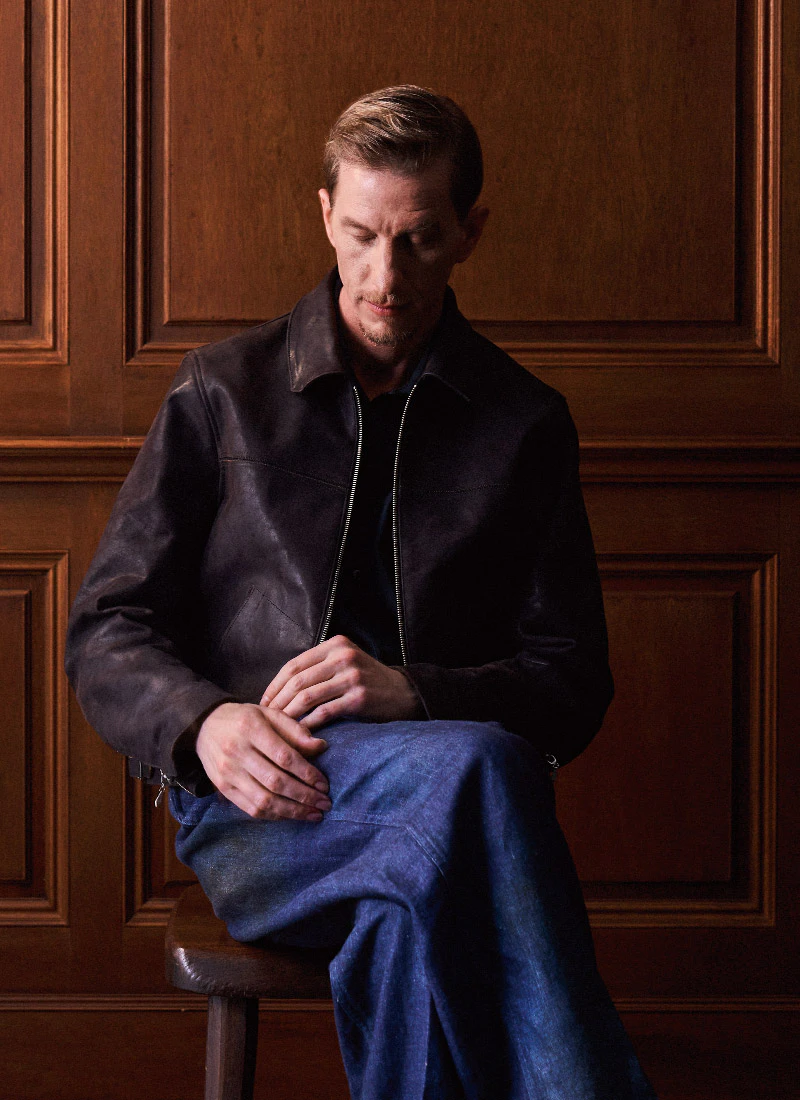
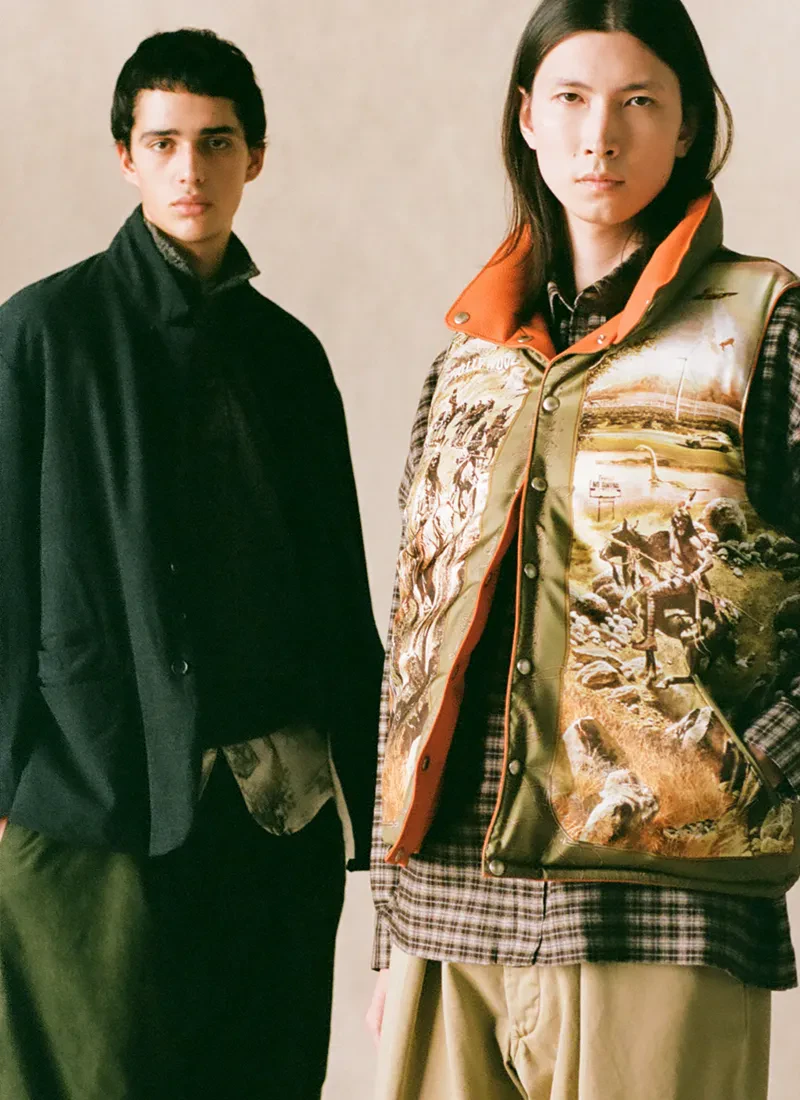

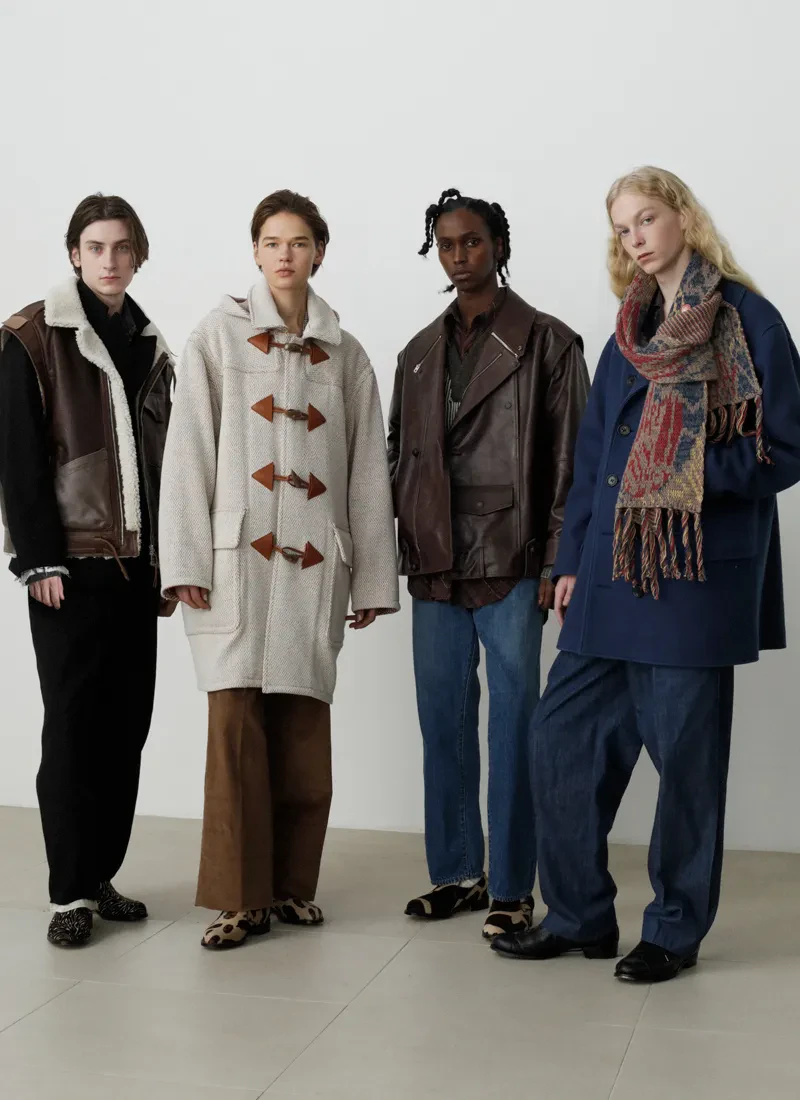
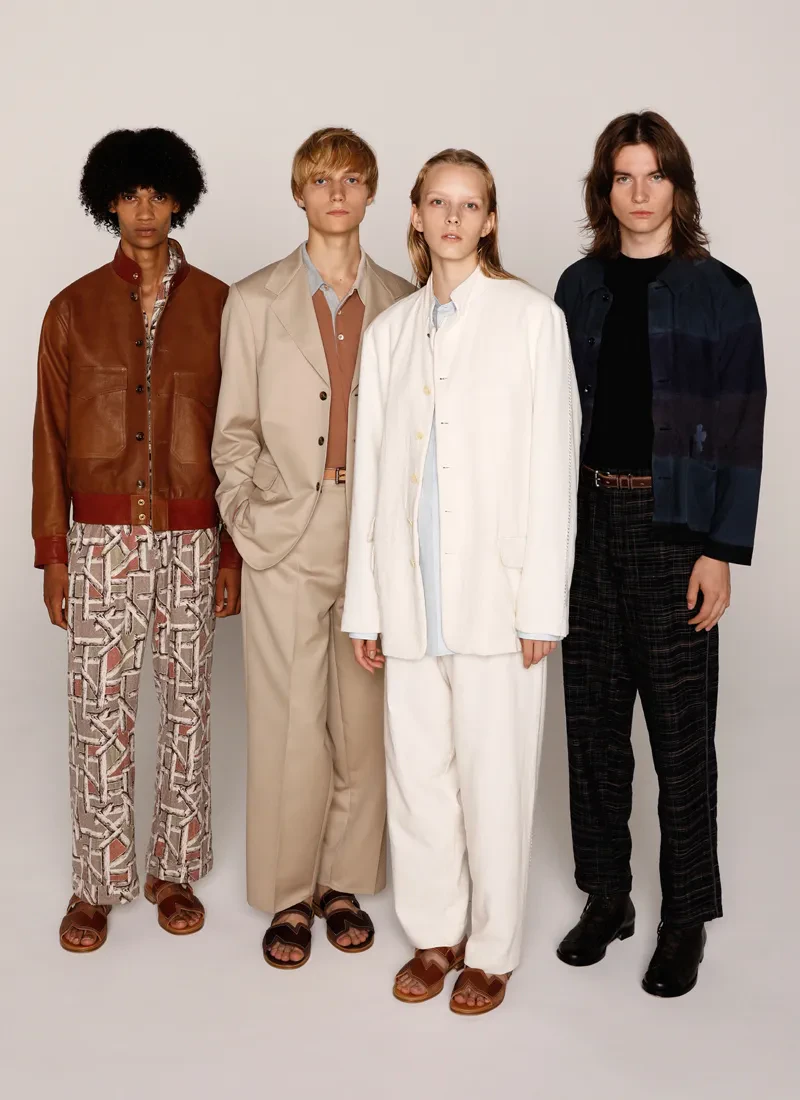
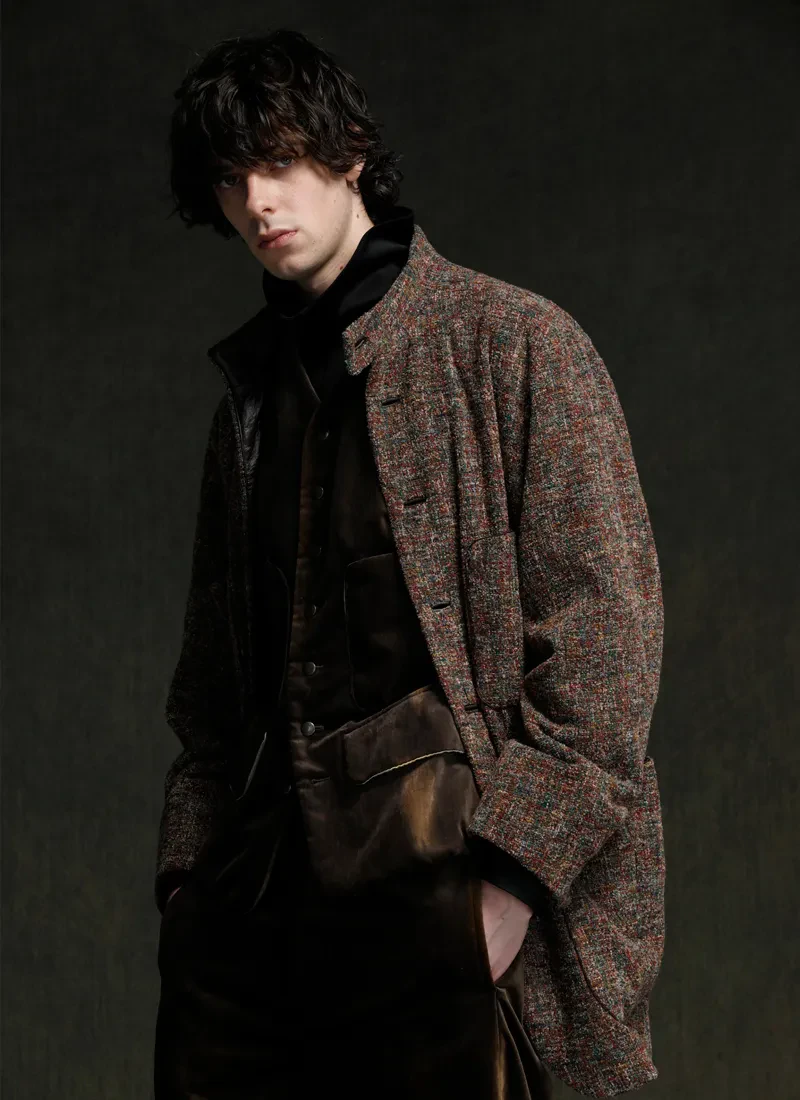
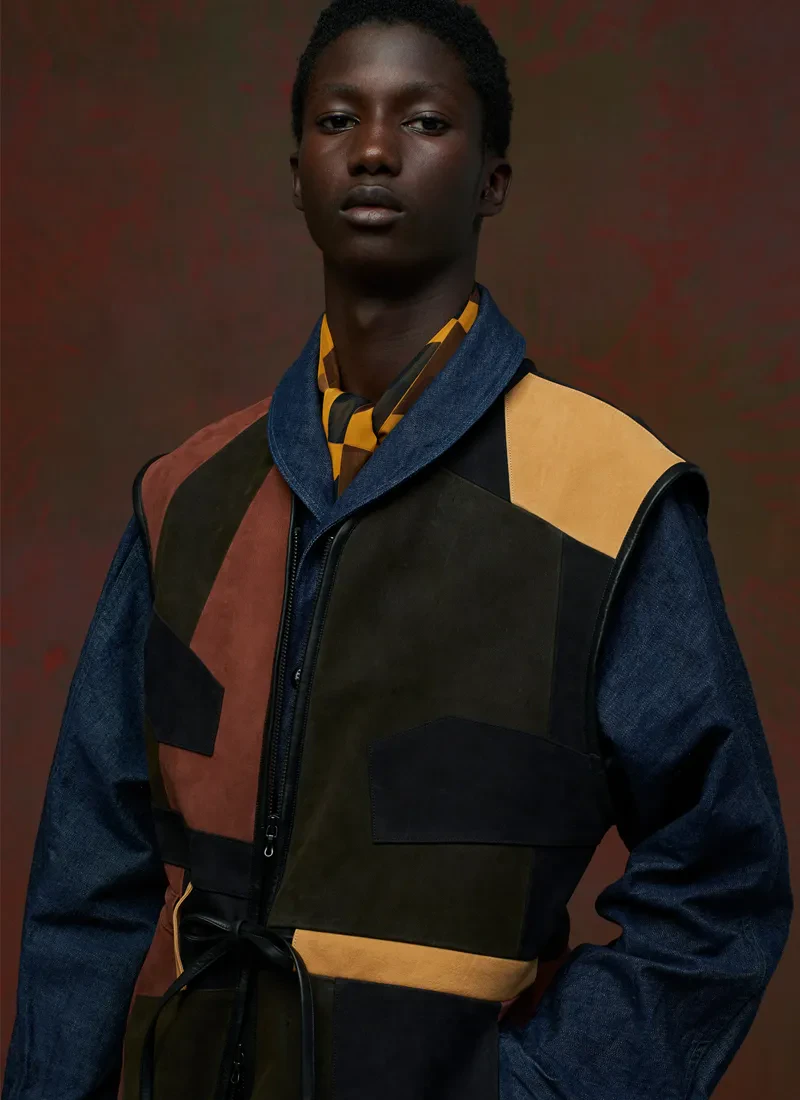
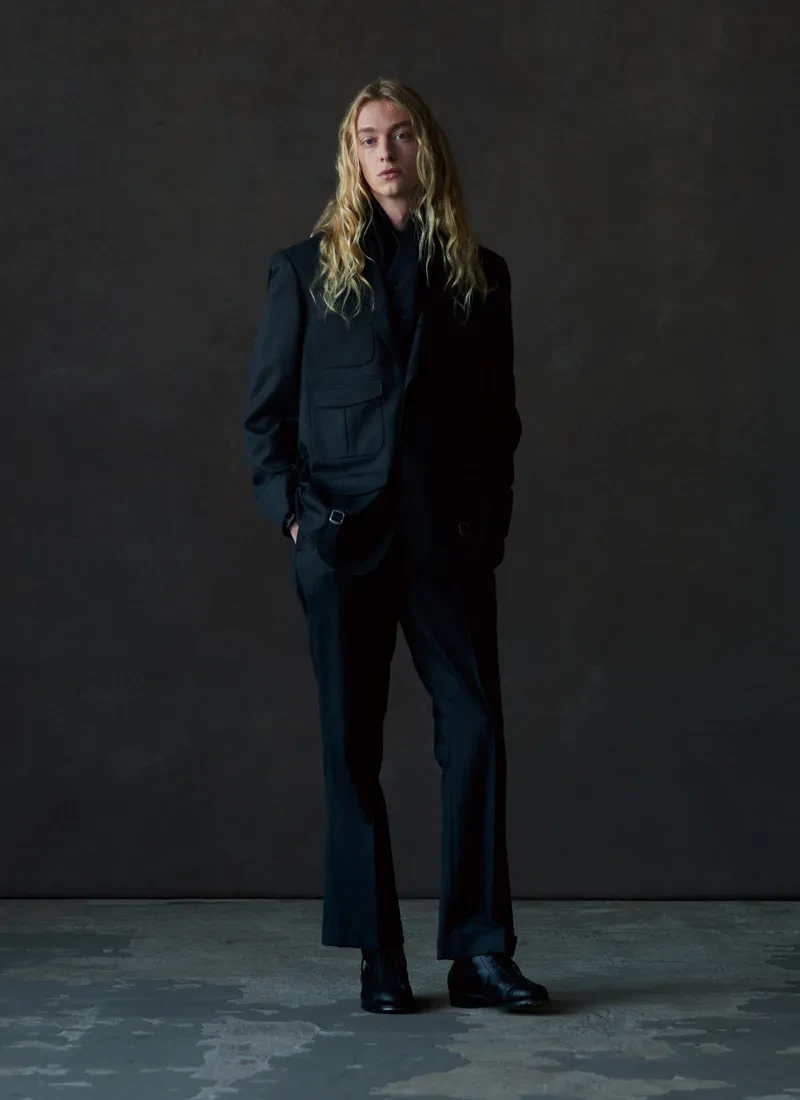




















SPRING / SUMMER 26
Things that are not perfectly aligned. Things that do not completely match. The slightest fluctuation. Sometimes, it is precisely these imperfections that create comfort.
A few years ago, our team went to see Mansur Brown perform at Billboard Live TOKYO. The young guitarist from South London has long been a fixture on our playlists. There is a distinctive groove in his music. It flows effortlessly and smoothly, yet there is always a subtle sense of movement within it. Nothing is perfectly aligned, and yet that very fluctuation propels the music forward, naturally setting the listener’s body in motion.
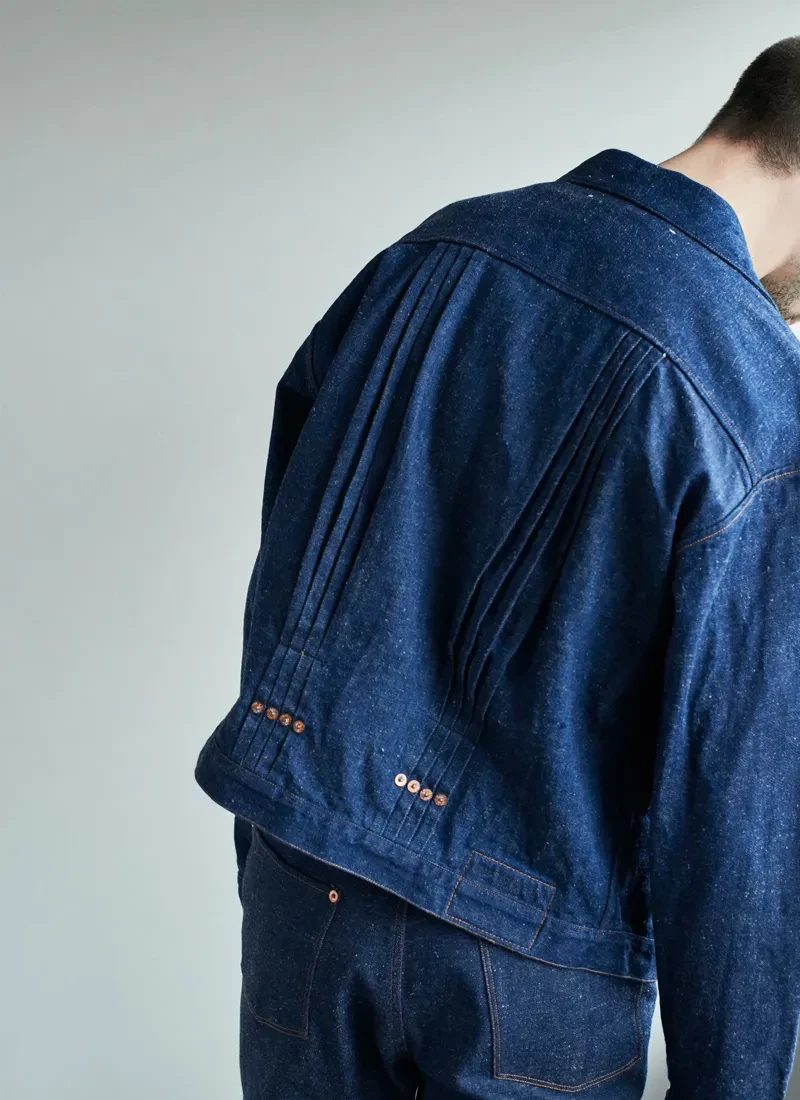
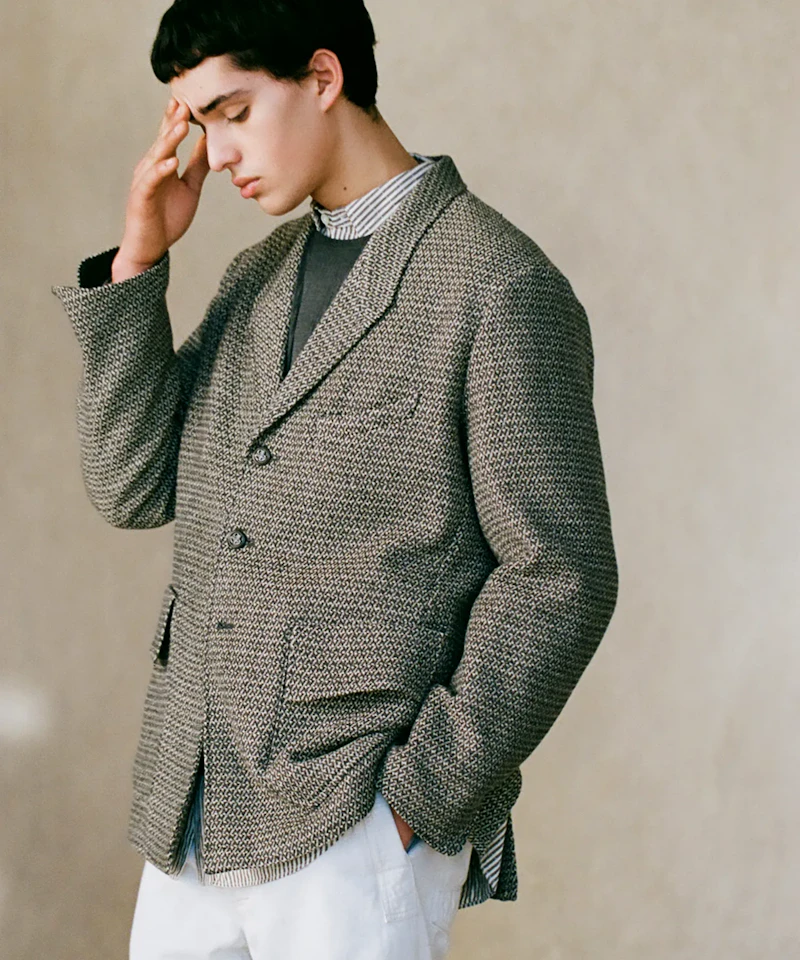
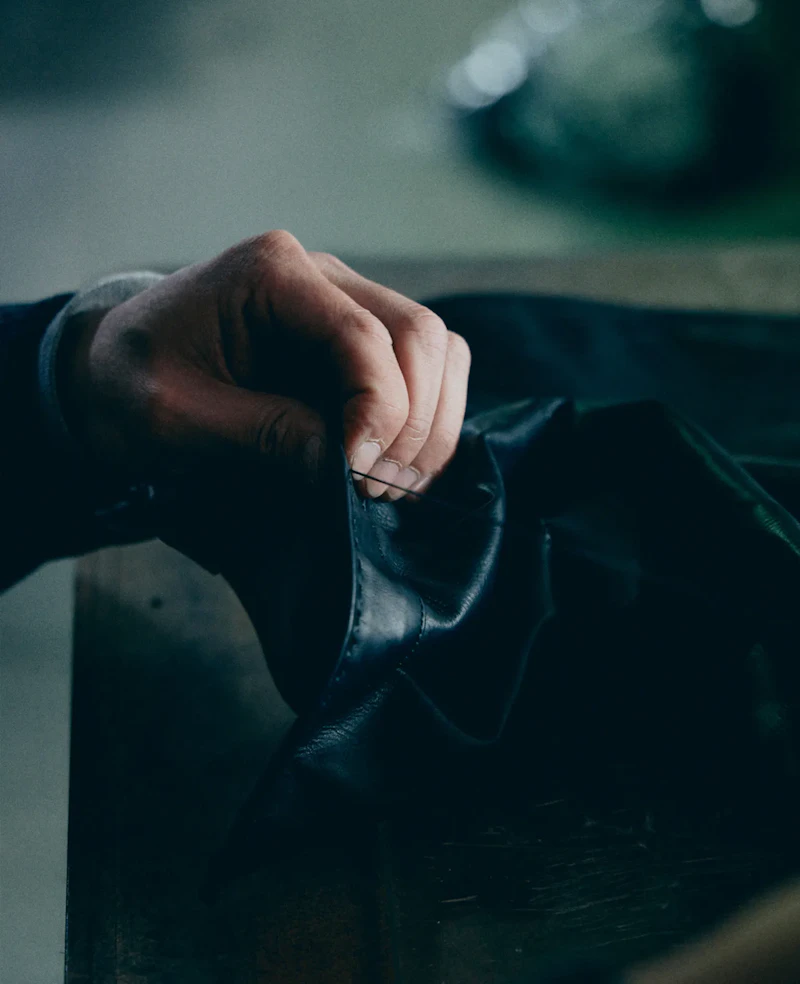
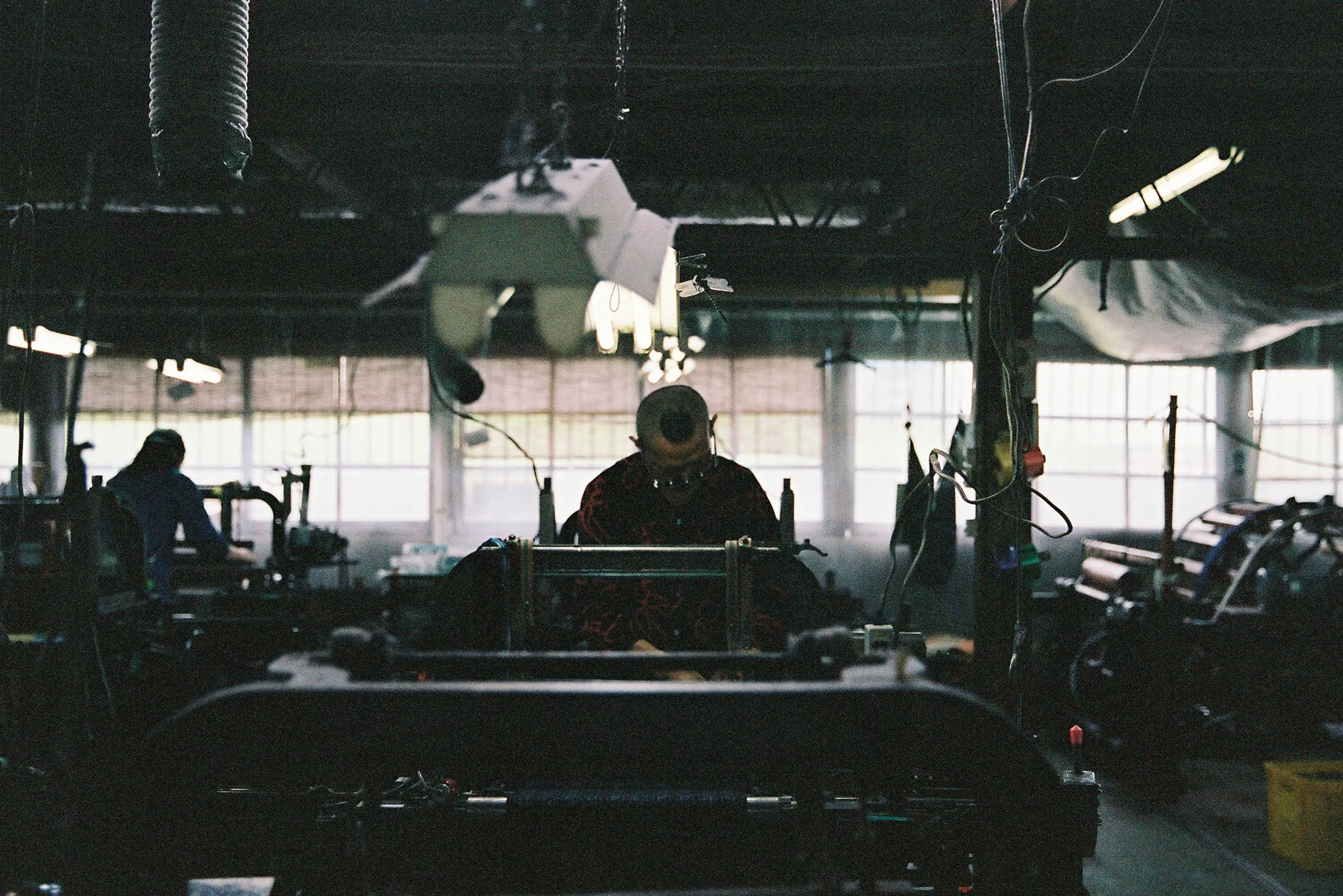
It is a kind of groove that machines—and perhaps even AI—still cannot replicate. A rhythm can be made perfectly precise, but once it becomes completely synchronized, it often turns into something else. Clothing carries a similar sensibility. No matter how sophisticated the process, there is a beauty that can only emerge through craftsmanship shaped by human hands. The Kurume Kasuri featured in this season’s collection is a perfect example.
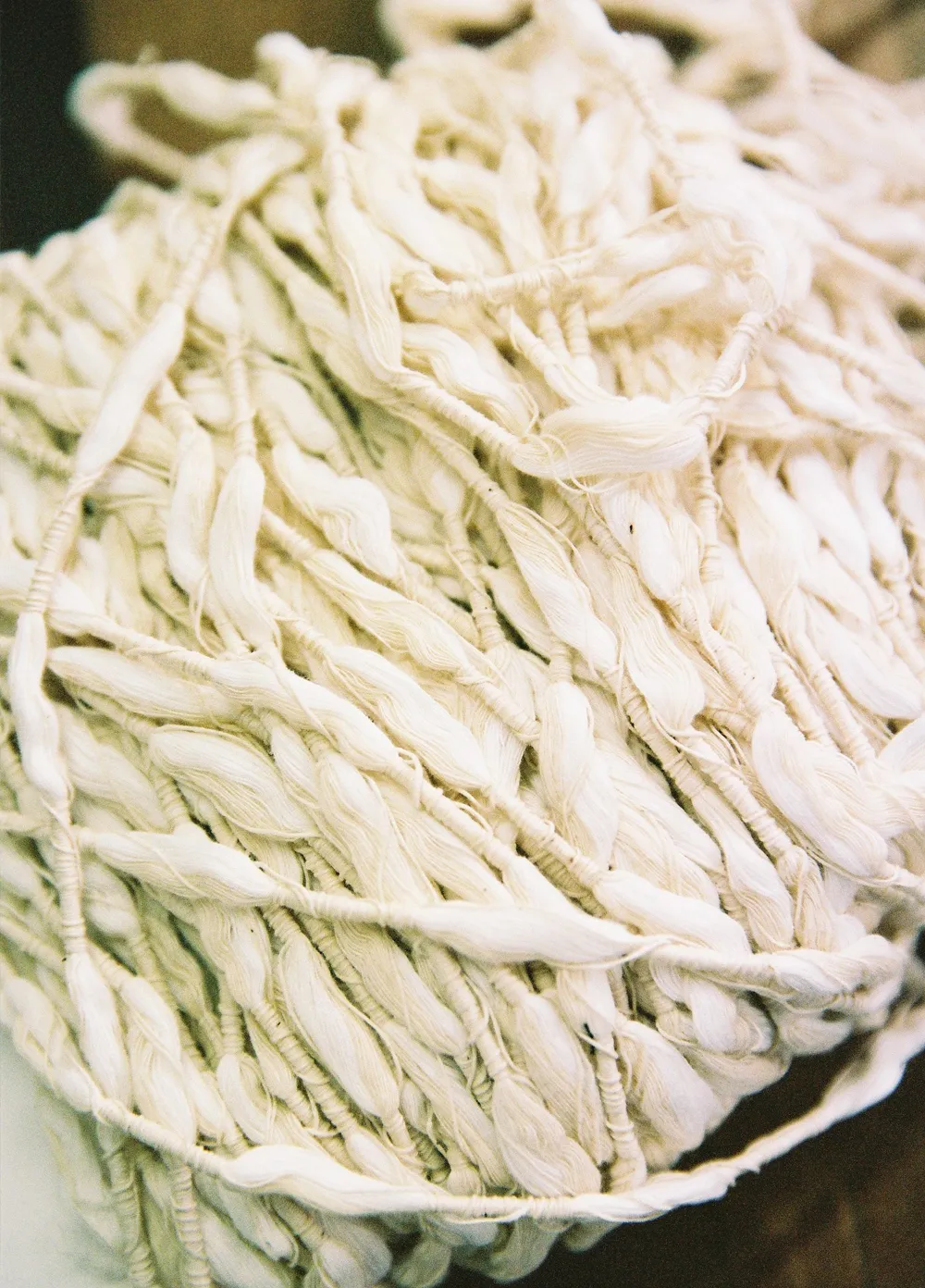
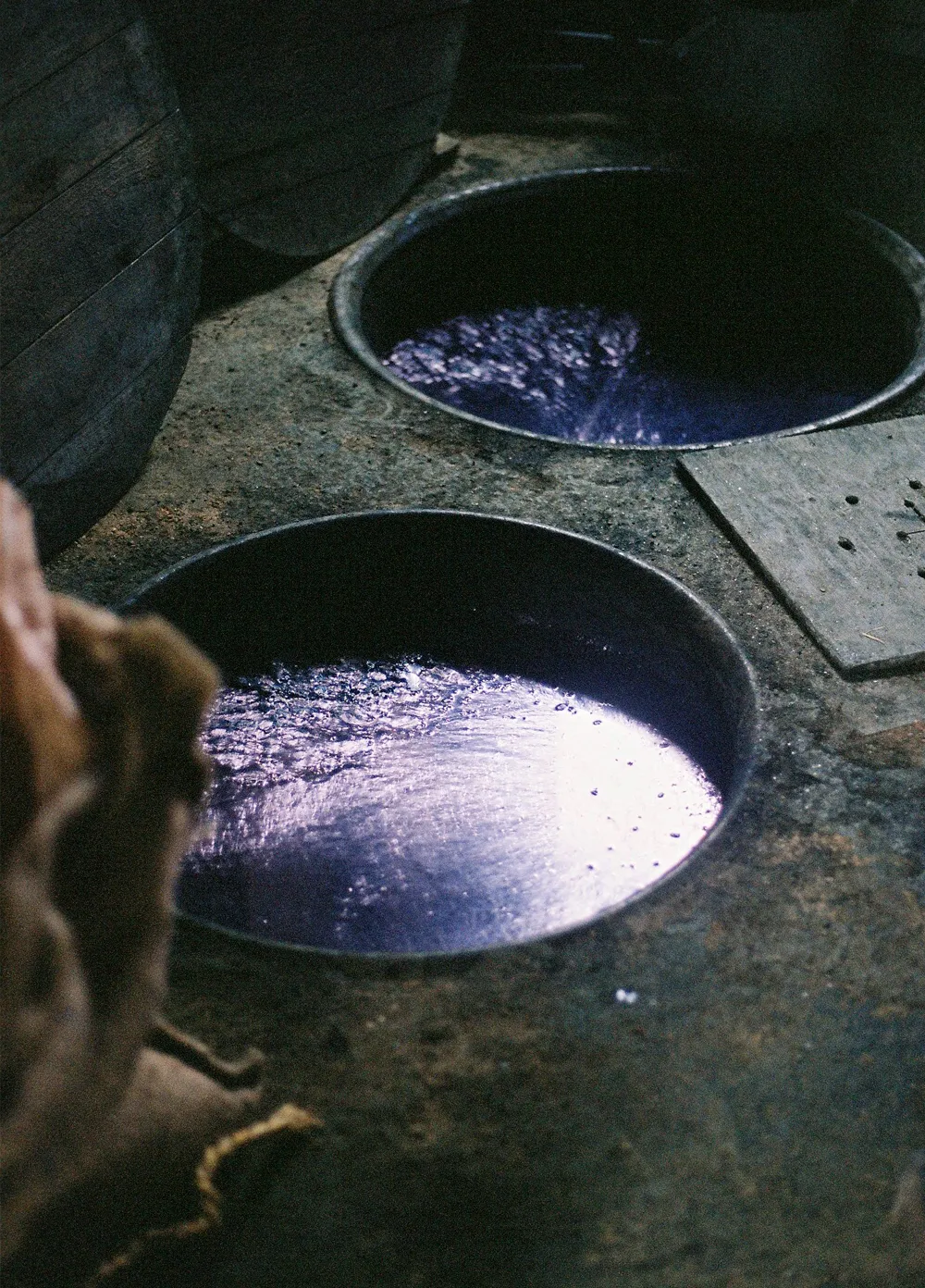
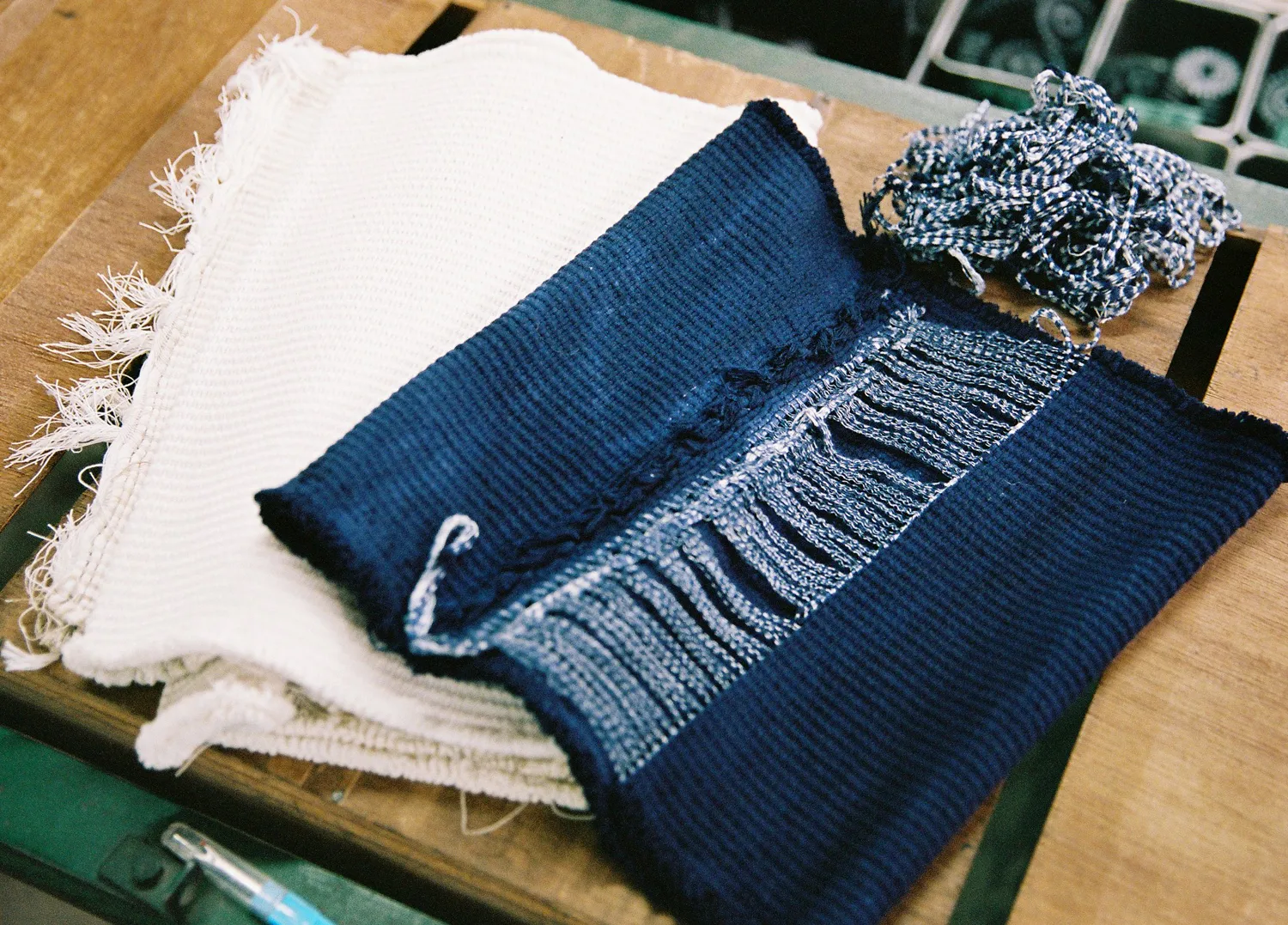
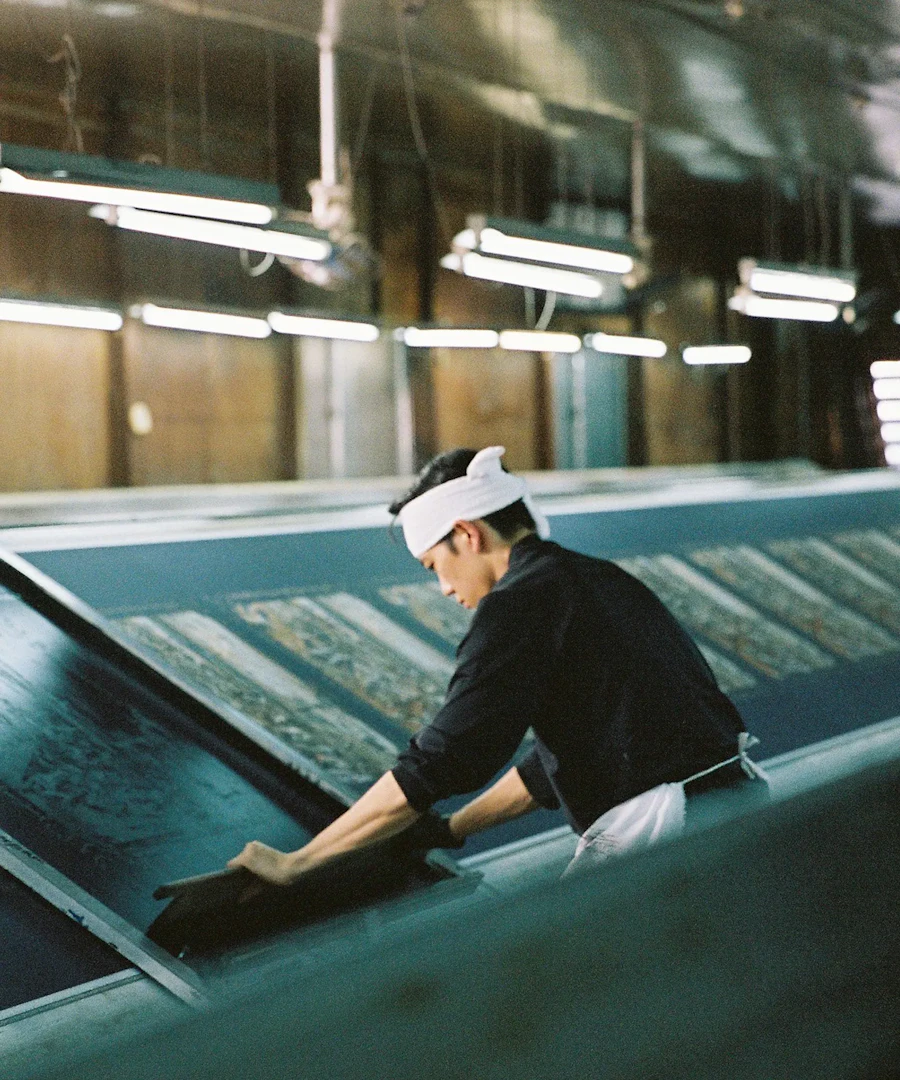
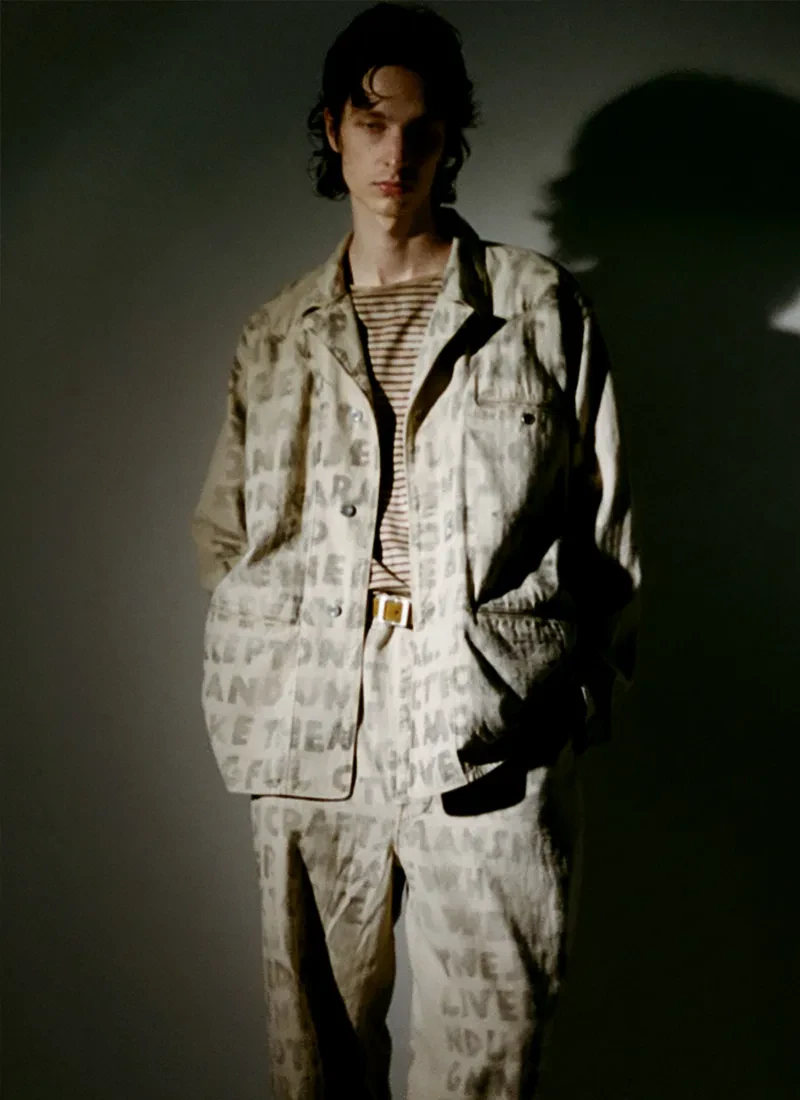
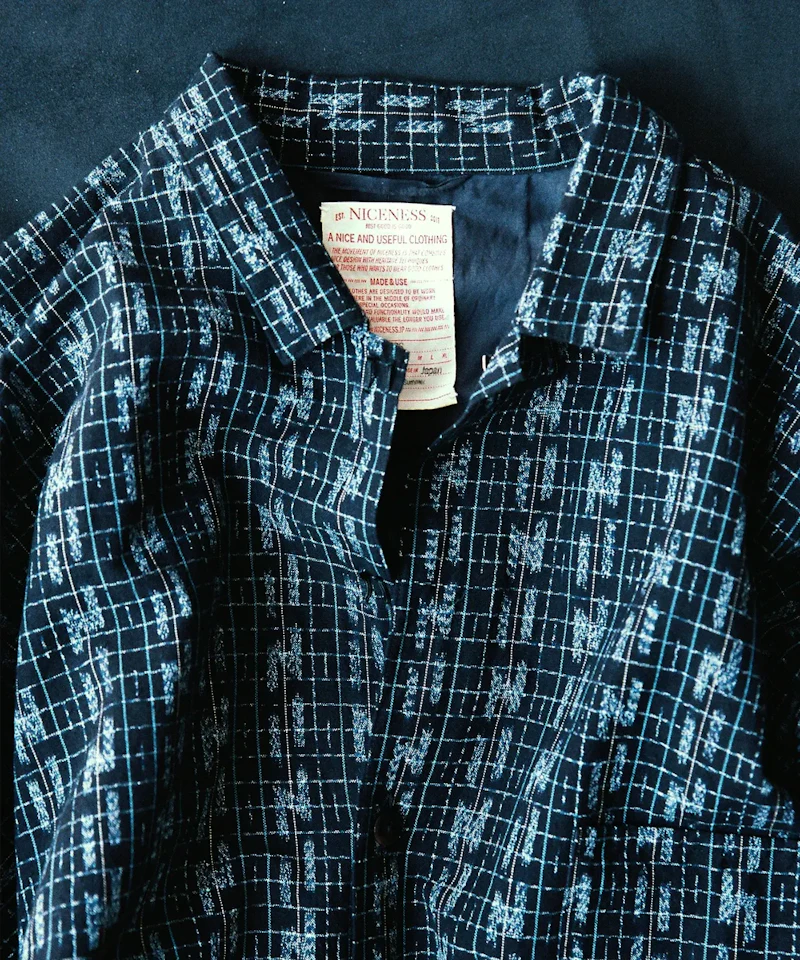
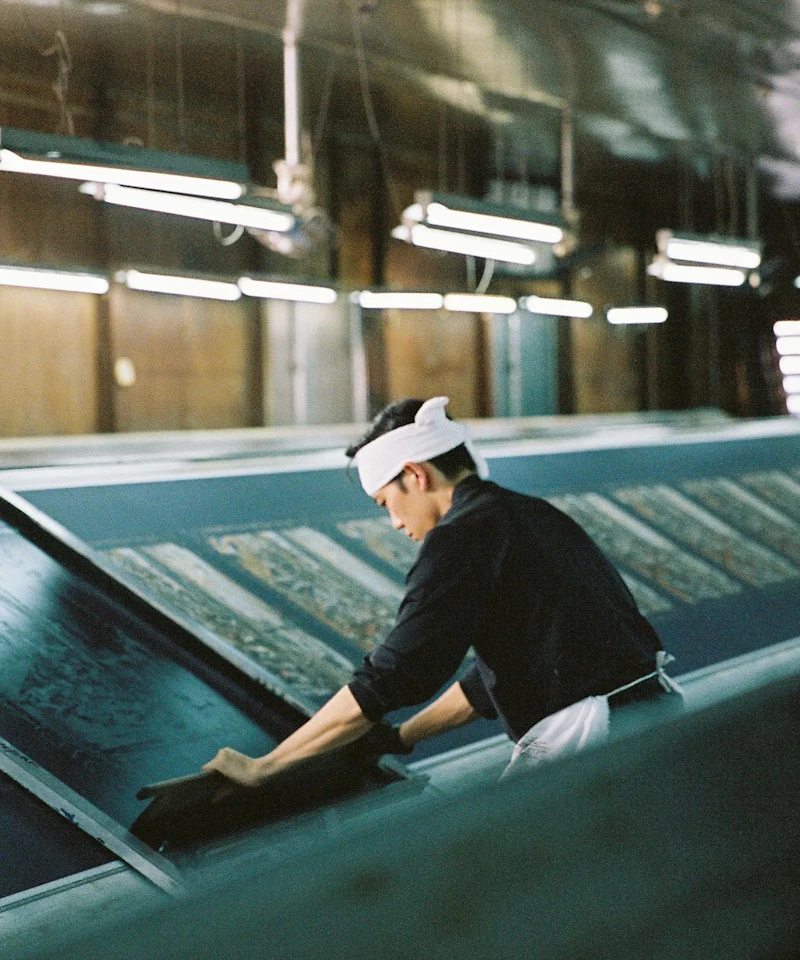
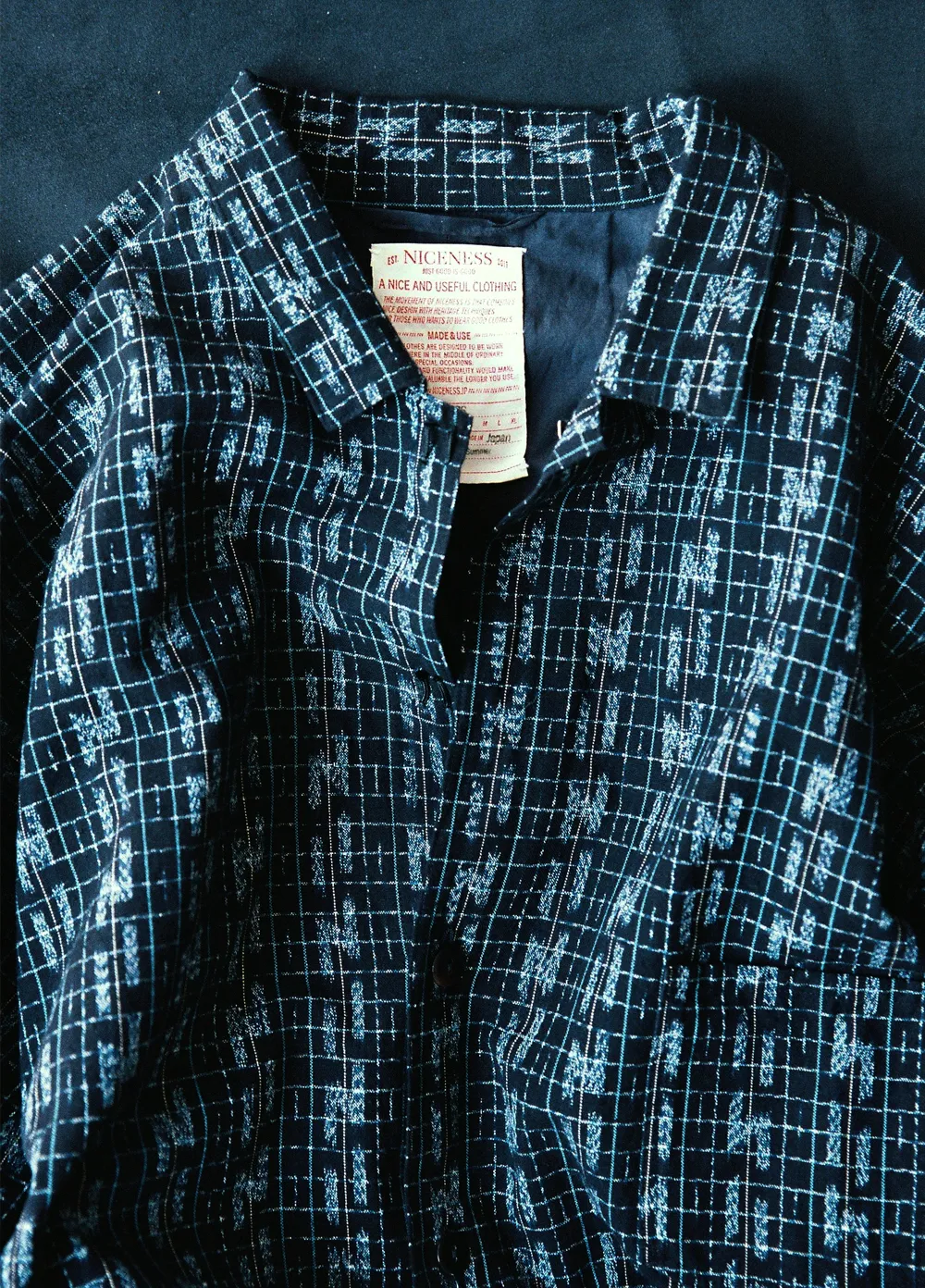
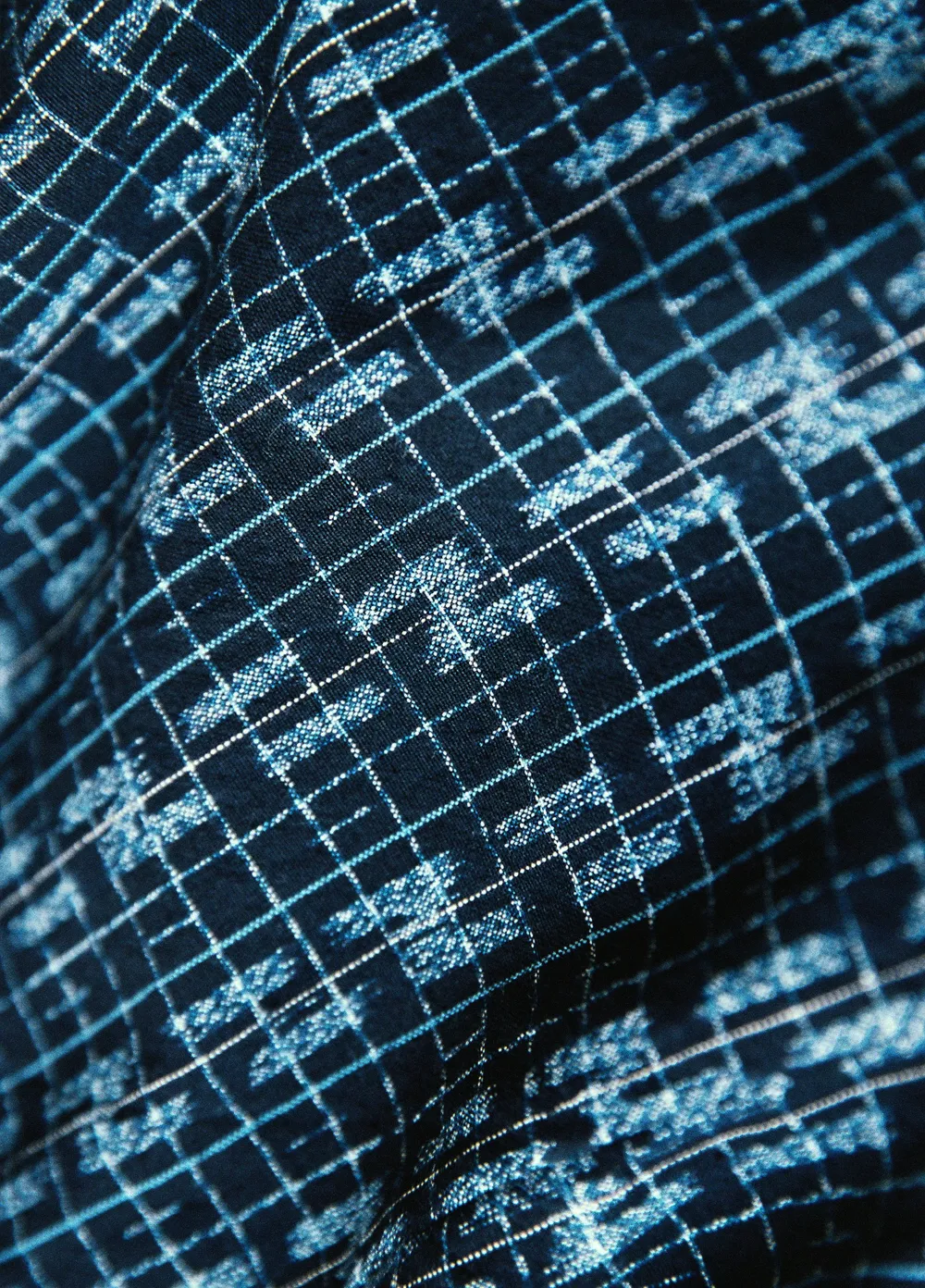
Kurume Kasuri, known as one of Japan’s three great kasuri textiles, is distinguished by the interplay of indigo and white threads. Across its surface, softly blurred motifs emerge. Looking closely, the patterns are never perfectly aligned. They shift slightly, gently wavering across the cloth. This is not a flaw. Rather, it is the very essence of its beauty.
The origins of Kurume Kasuri date back to the early nineteenth century. It is said to have begun when a young girl named Den Inoue became fascinated by the white speckles that appeared on an indigo-dyed kimono. By unravelling the fabric and examining the threads, she discovered that the undyed sections formed the pattern. From this observation came the technique of binding sections of thread to resist dye and create motifs.
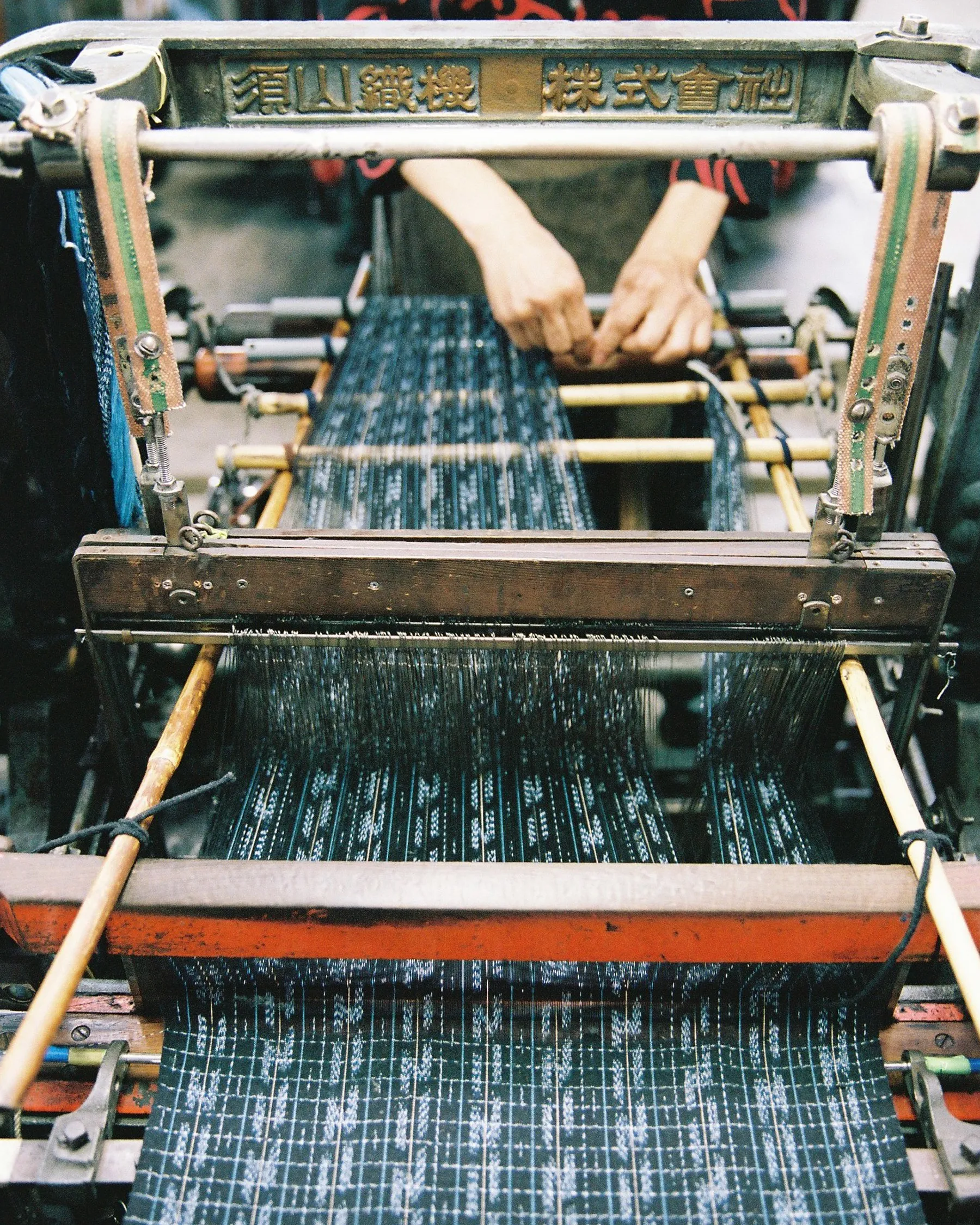
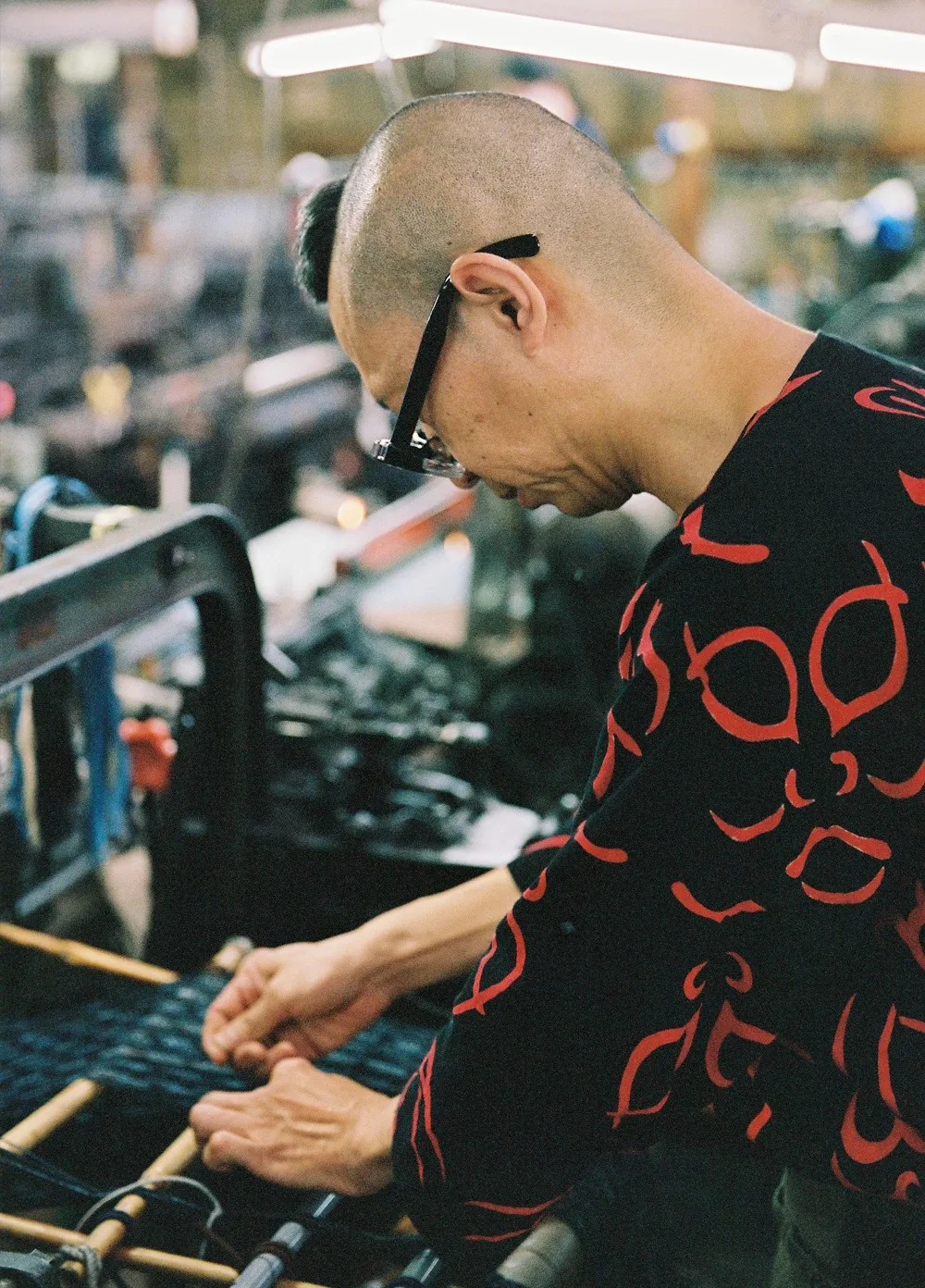
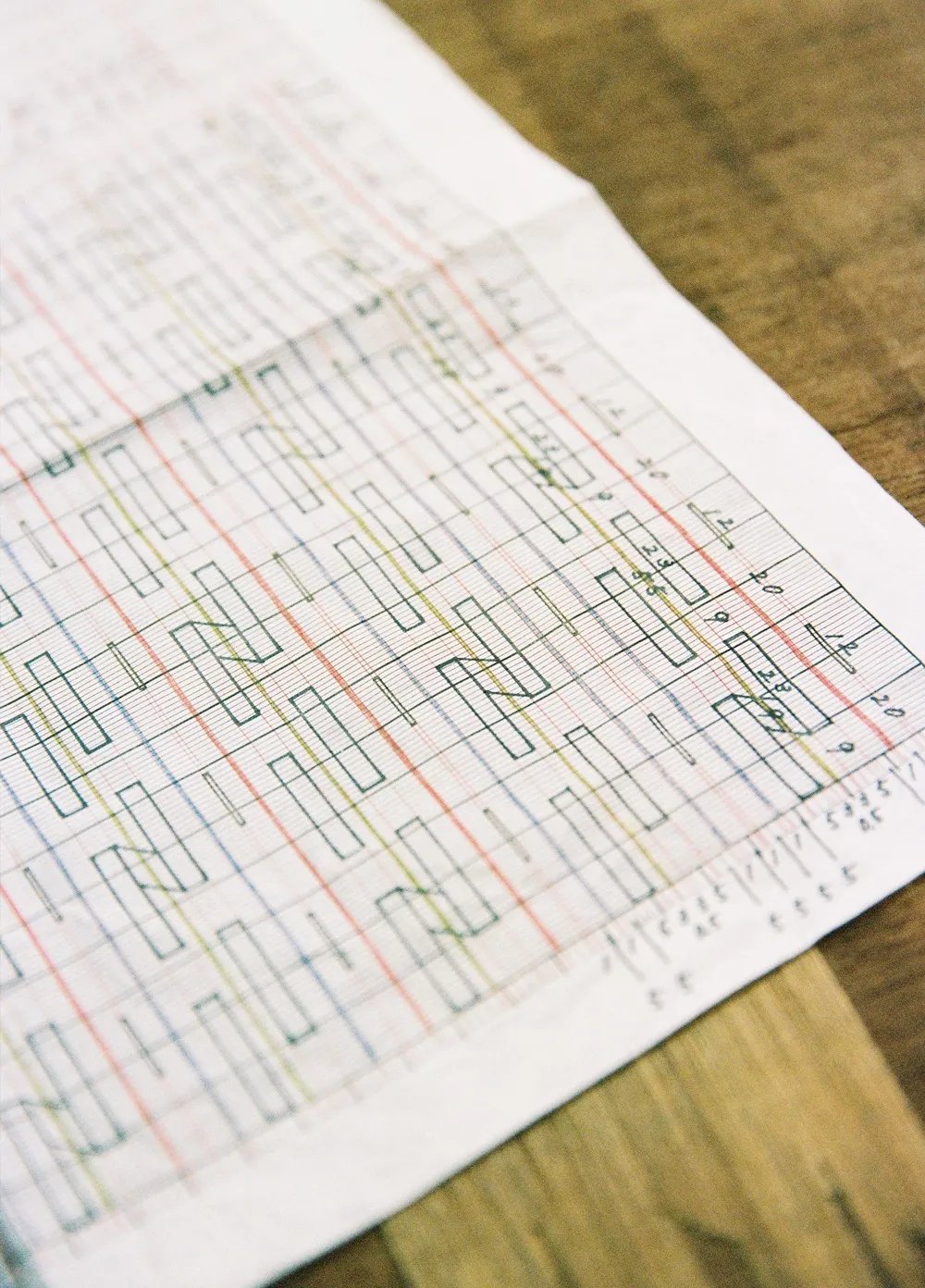
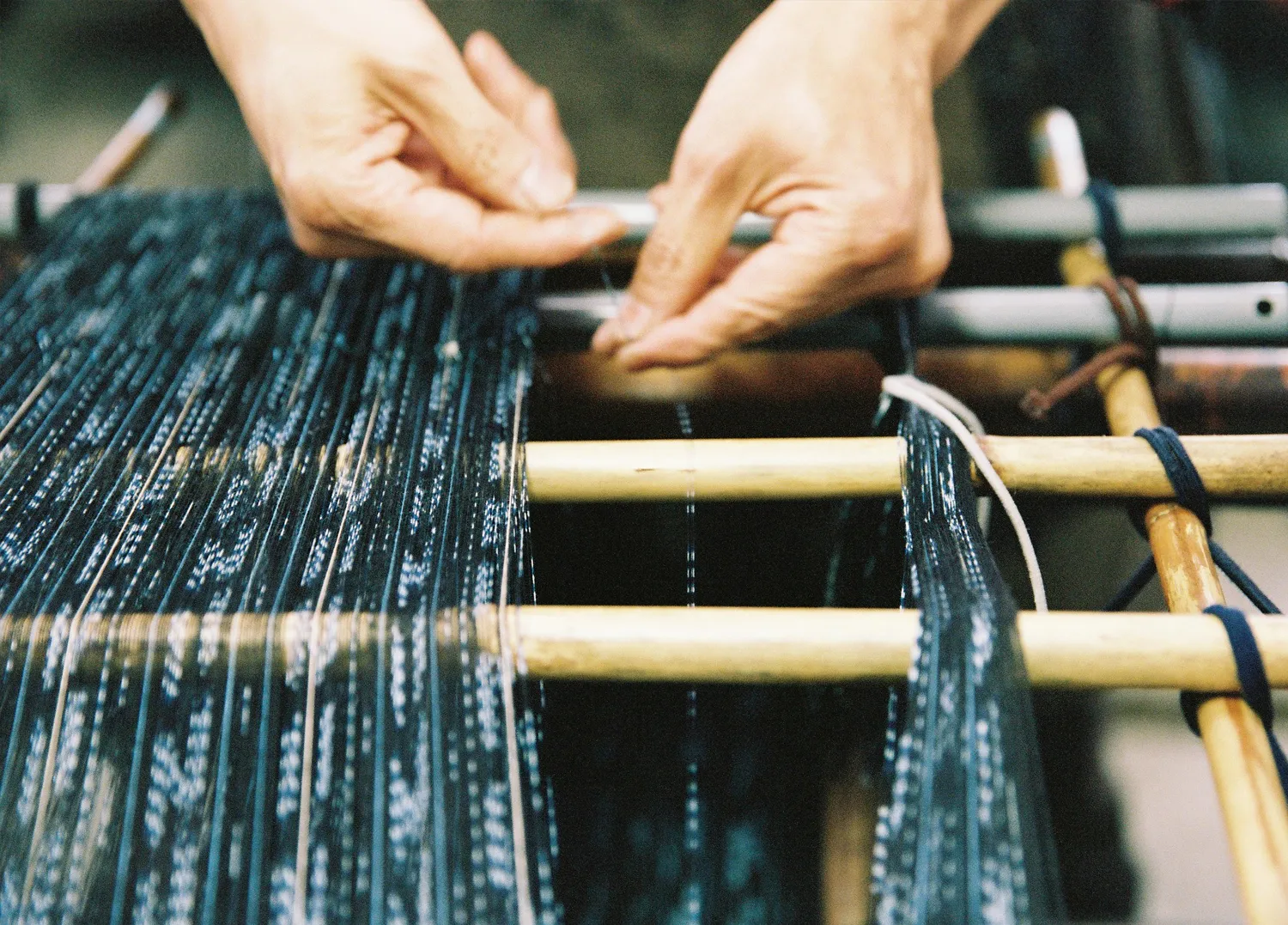
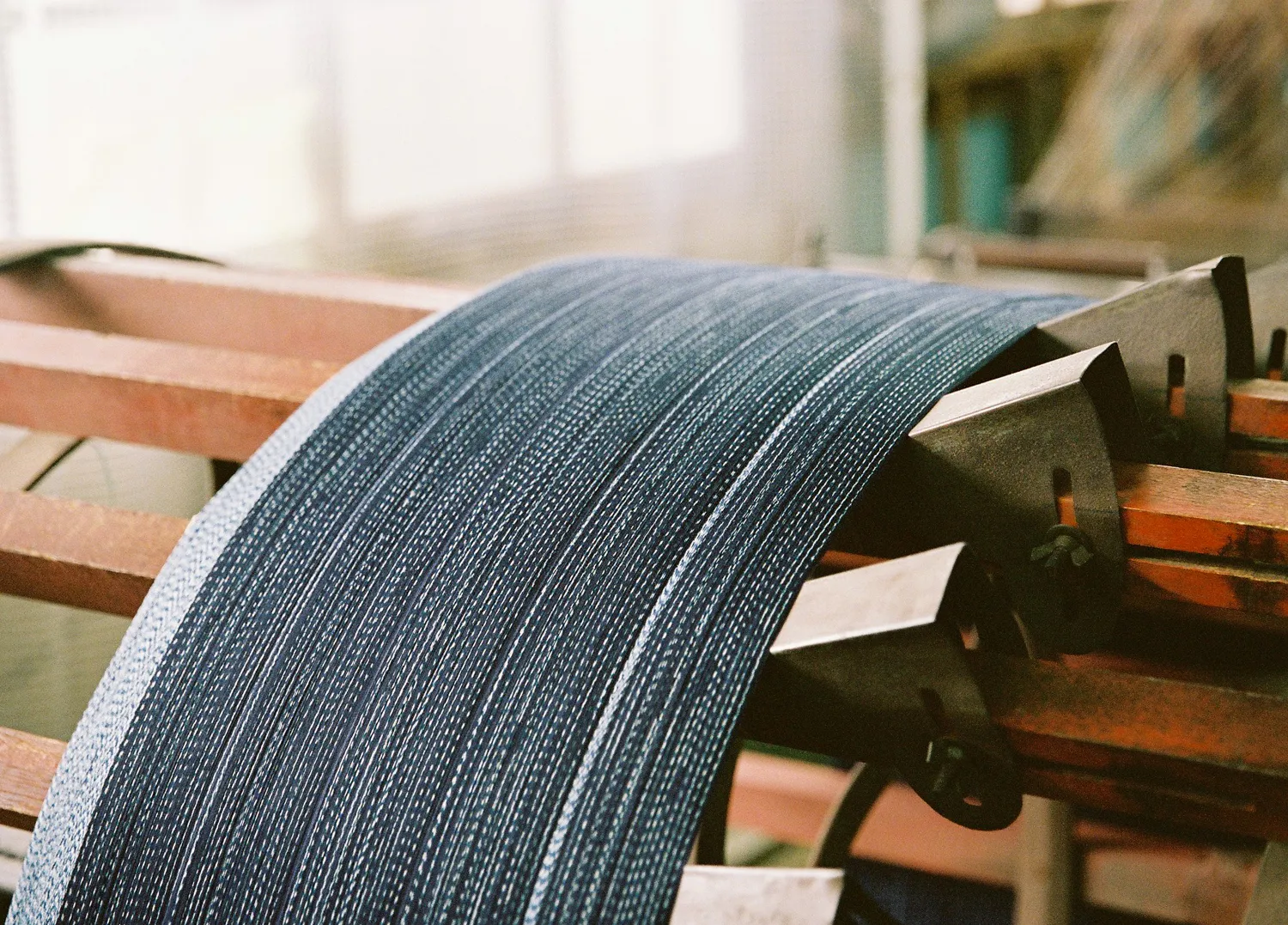
Most woven textiles form their patterns during the weaving process. Kasuri, however, reverses this logic. The threads are dyed first and woven afterward. The entire design must be envisioned at the thread stage. This process, known as Zuan-yomi (“reading the design”), requires artisans to work backwards from the finished image, determining precisely which sections of the warp and weft should remain undyed.
No matter how experienced the artisan or how carefully the calculations are made, the pattern never emerges with complete precision once the fabric is woven. Slight misalignments occur, and the contours soften into a gentle blur. It is this fluctuation that gives the textile its groove.
Among the many forms of Kurume Kasuri, Bunjin Kasuri has long been regarded as a symbol of refined aesthetic sensibility. It was famously worn by literary figures such as Osamu Dazai, among many others.
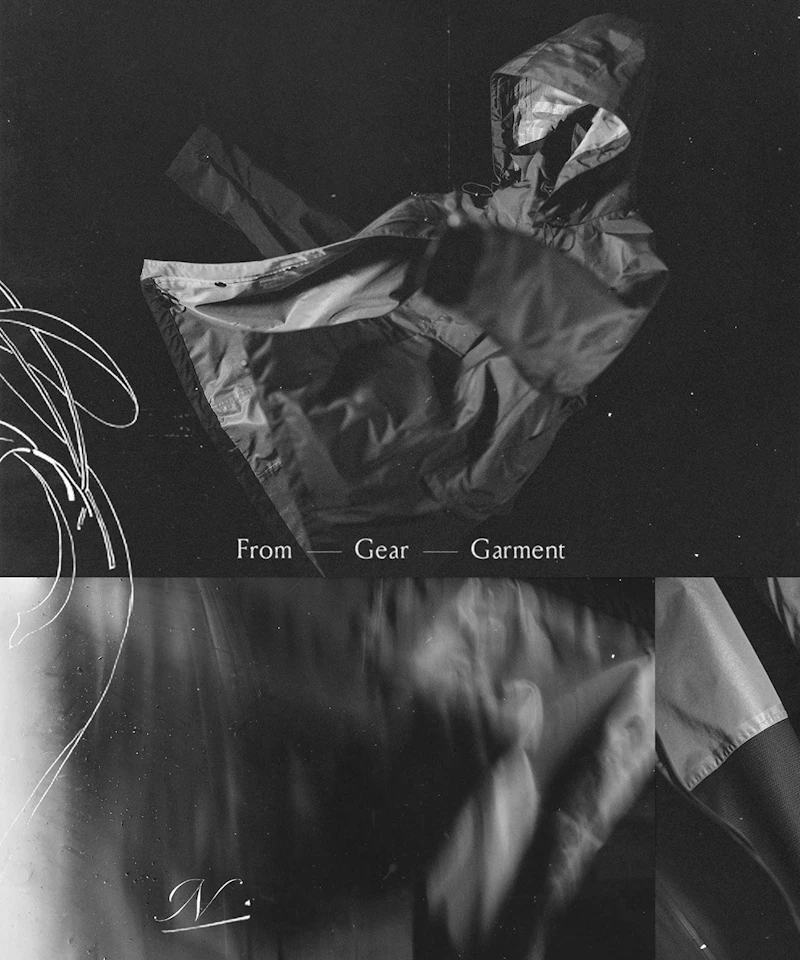
The fabric used in this collection is an original “N-pattern Kasuri”, inspired by the structure of Bunjin Kasuri. Indigo and white threads are densely arranged, and as the weaving progresses, the pattern is intentionally shifted by minute degrees, allowing the silhouette of an “N” to gradually emerge within the cloth.
It is a process fundamentally opposed to efficiency, filled with variables that cannot be entirely controlled. Yet through exceptional skill, this imperfection is transformed into something deeply pleasing.
Today, AI continues to advance, and more and more aspects of life are becoming automated. Objects can be produced faster and with greater precision than ever before. Yet the more perfect that precision becomes, the more special the groove created by human hands begins to feel.
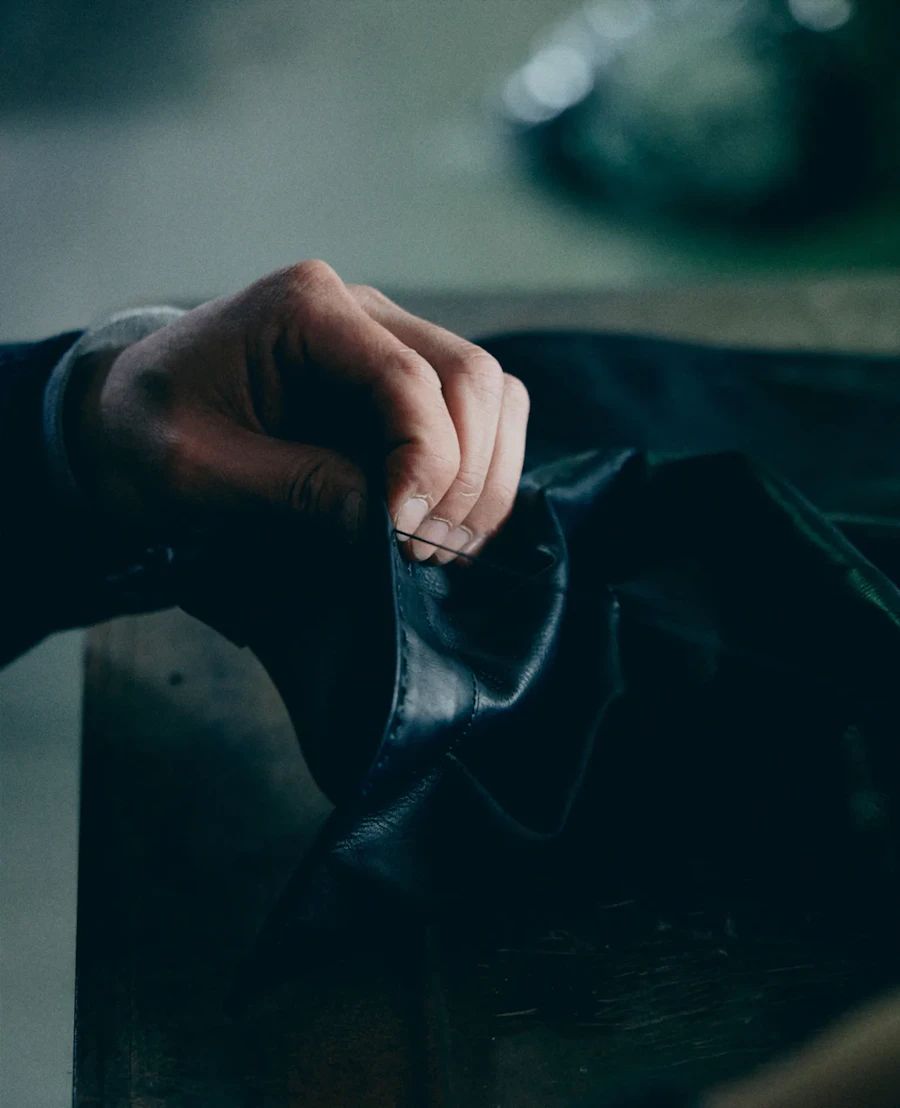
Still, imperfect beauty does not emerge from imperfection alone. It can only be achieved through the hands of those who possess extraordinary skill. Woven into it are years of dedication, accumulated knowledge, and the quiet discipline of daily practice.
As a brand, we hope to continue valuing this sense of groove—the subtle fluctuations and human traces that can only exist when the hand remains part of the process.


Episode