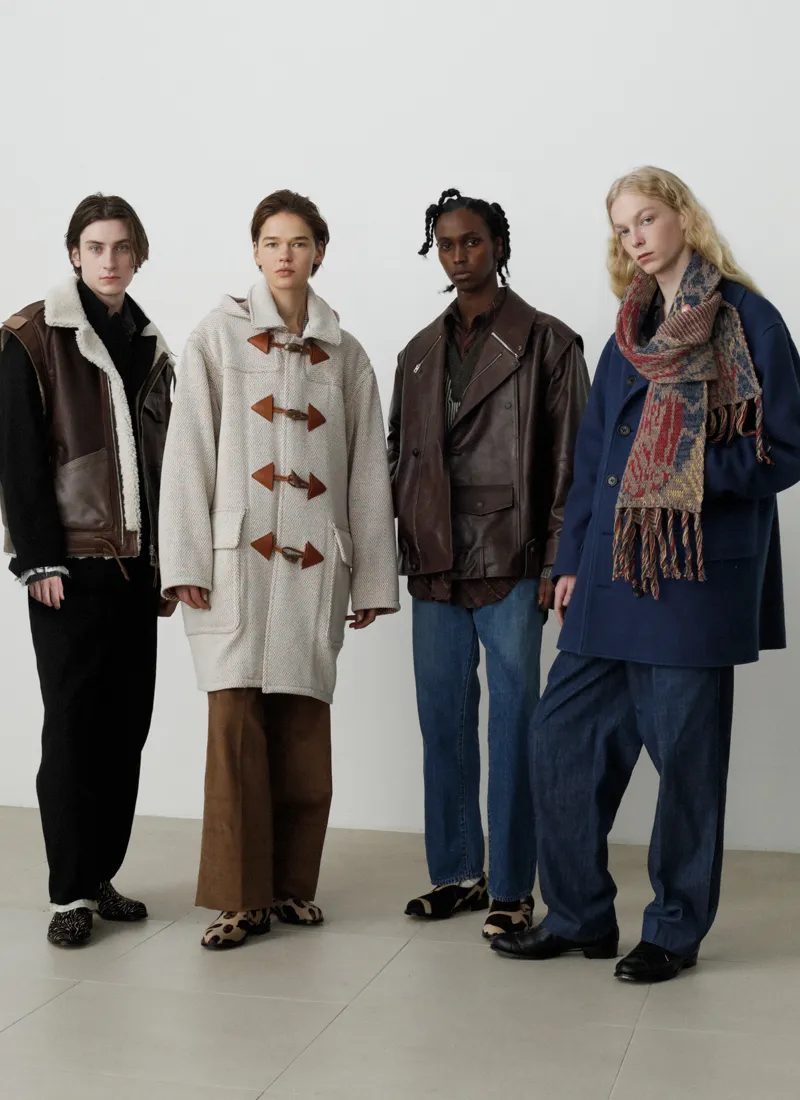
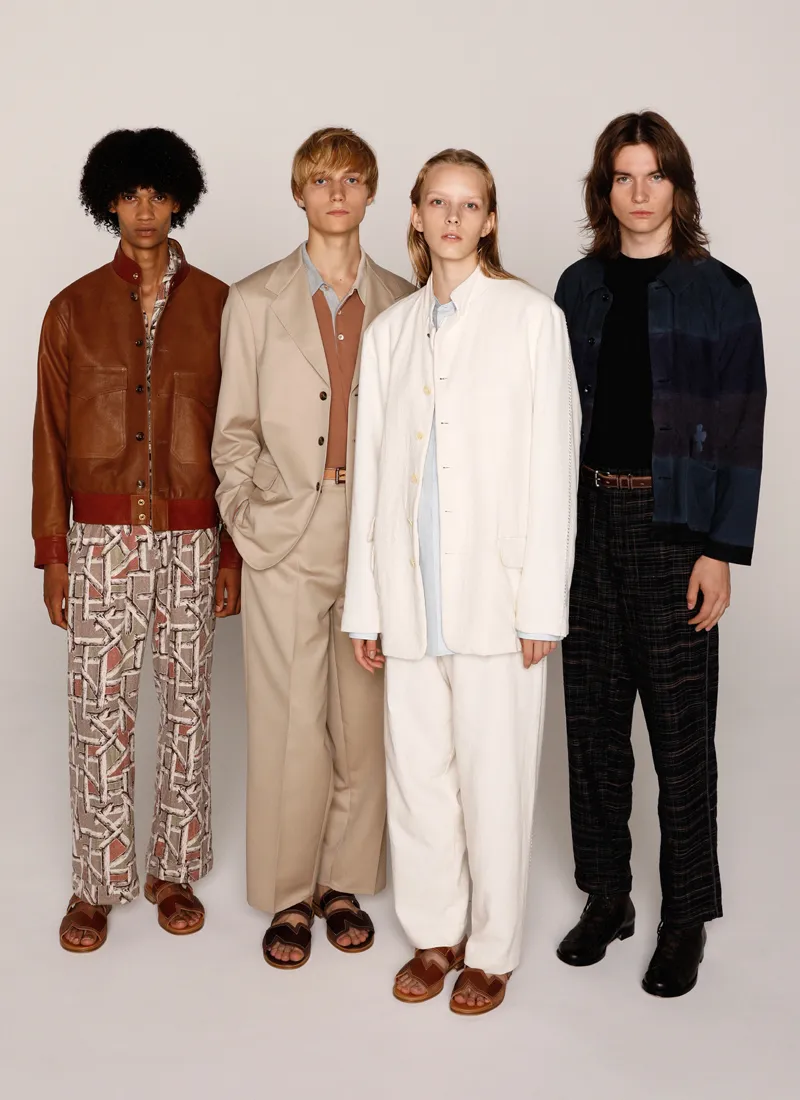
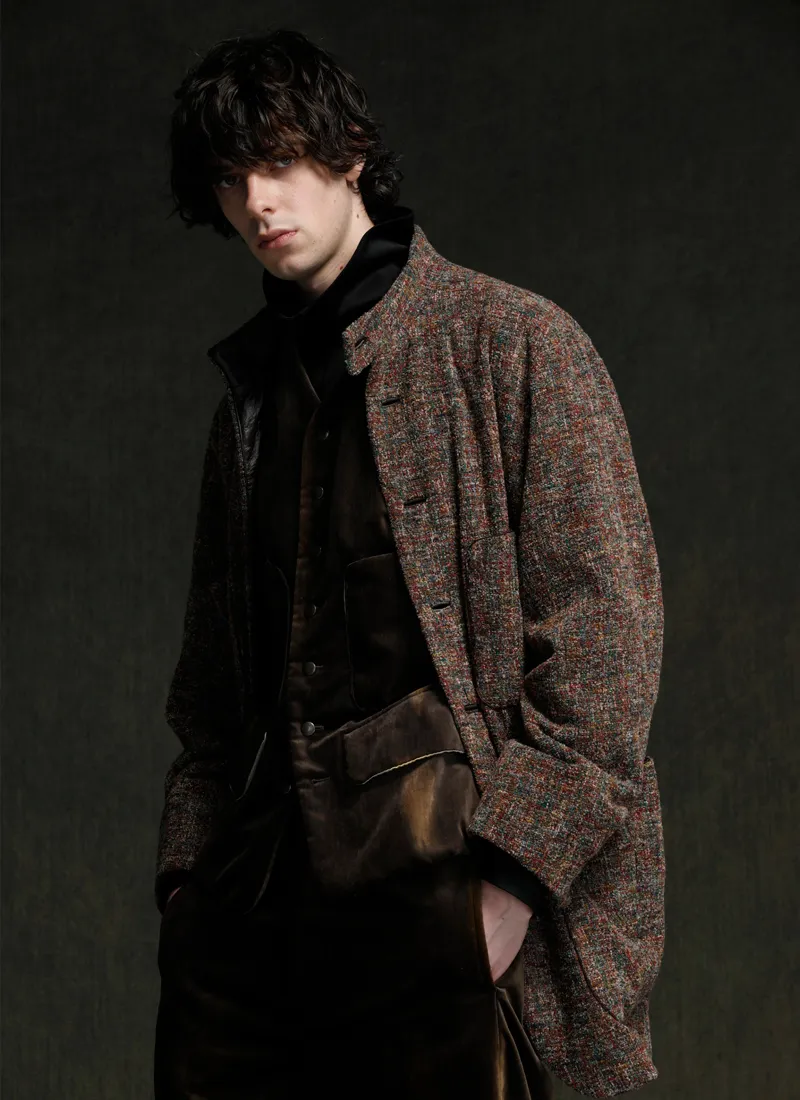
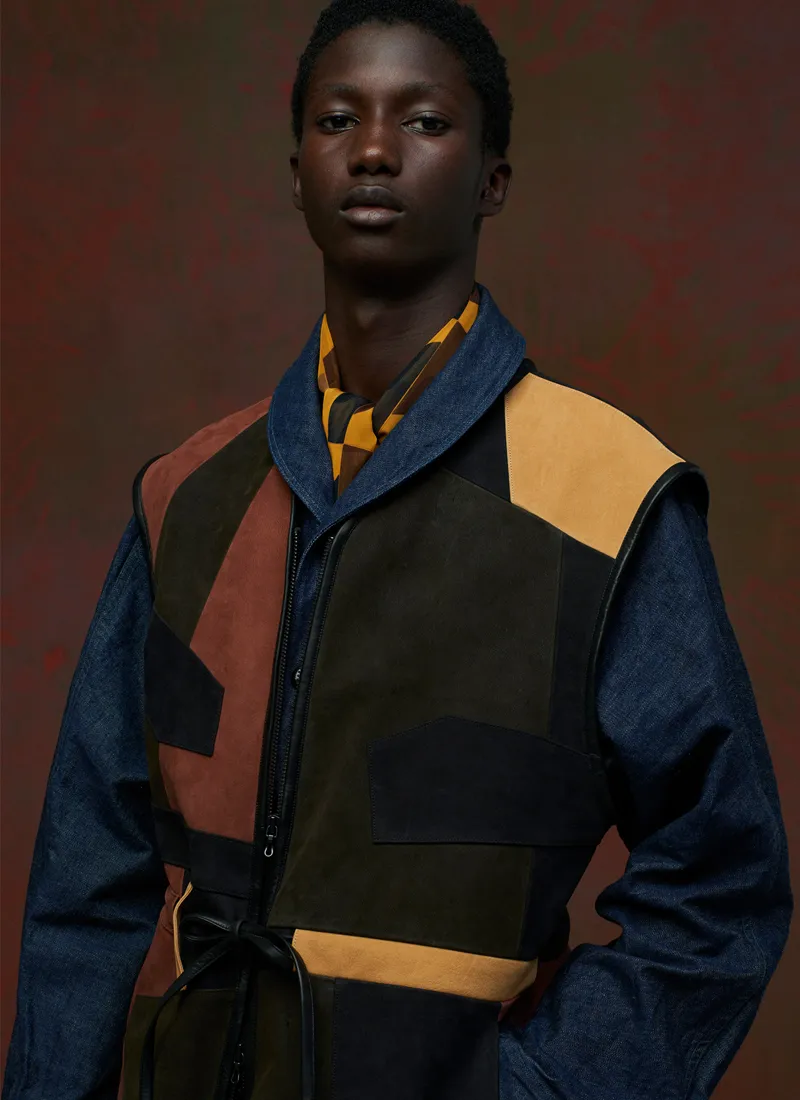













SPRING / SUMMER 26
People naturally gather wherever music is playing—on a dance floor, in an open field, at a festival.
The music may differ, as may the audience, the location, or the time of day, yet places where people move their bodies seem to share a similar atmosphere. Roughly twenty years before NICENESS began, we were living in London. With what little money we had, we spent our savings to attend the O2 Wireless Festival in Hyde Park. We can no longer remember who suggested going, nor which artist we were most excited to see. Yet the sight remains vivid: immense sound systems releasing waves of music and light, while countless bodies moved together as if forming a single tide.

There has always been a unique sense of exhilaration within dance music culture. It is not something rational, but rather a collective rhythm that binds an entire crowd together. Watching it, we felt an unexpected sense of familiarity.
The memory it brought back was that of Japanese summer festivals from childhood. Wearing a yukata, standing beneath rows of lanterns, gathering among strangers as circles naturally formed, bodies swaying in time with the sound of taiko drums.
People of all ages and backgrounds—individuals who would rarely cross paths in everyday life—became united through a shared dress code and the rhythms rooted in their local community. The sight of people dancing almost unconsciously, immersed in a kind of collective trance, felt strangely connected to the rave culture we had witnessed in Europe.
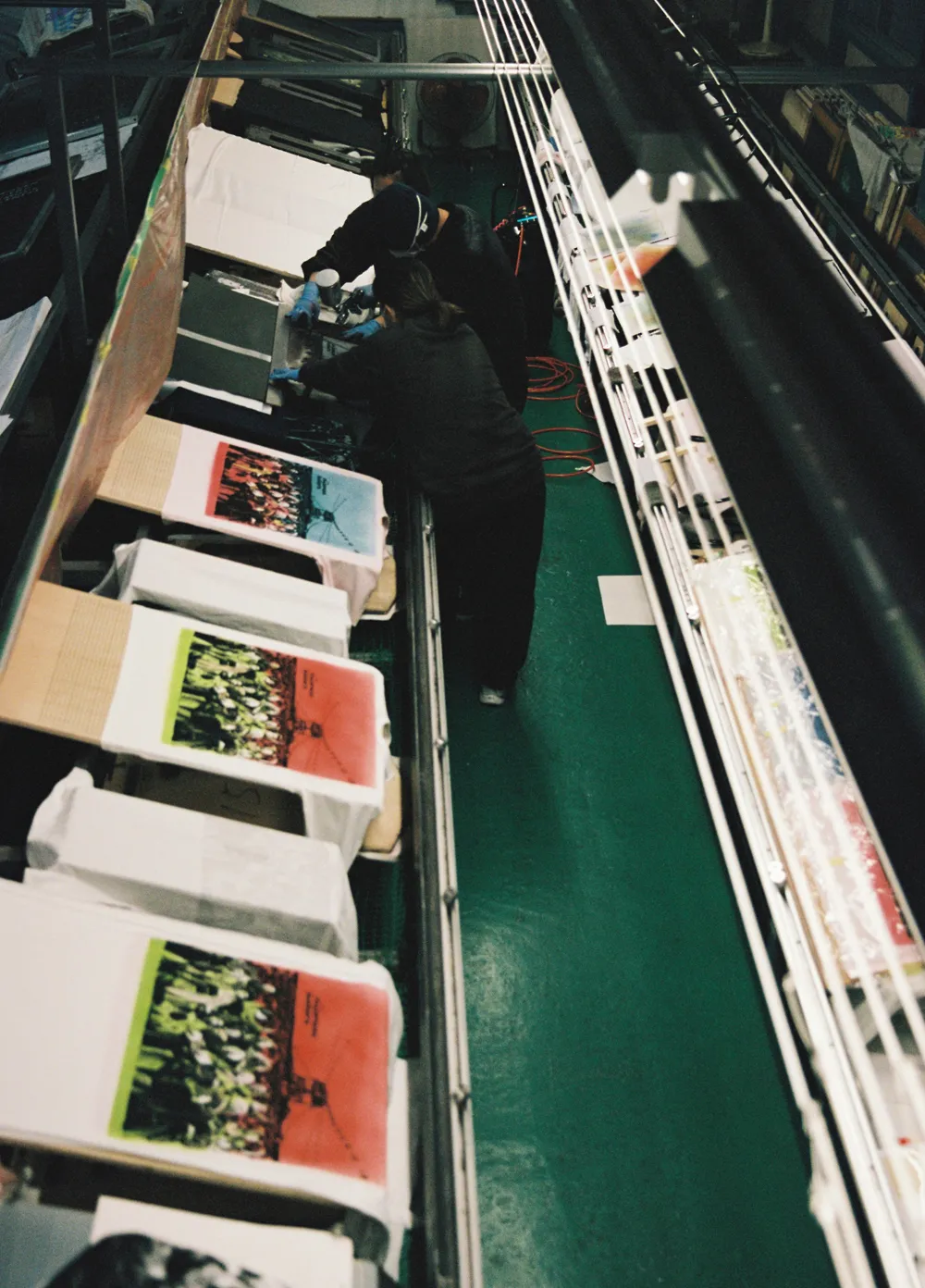
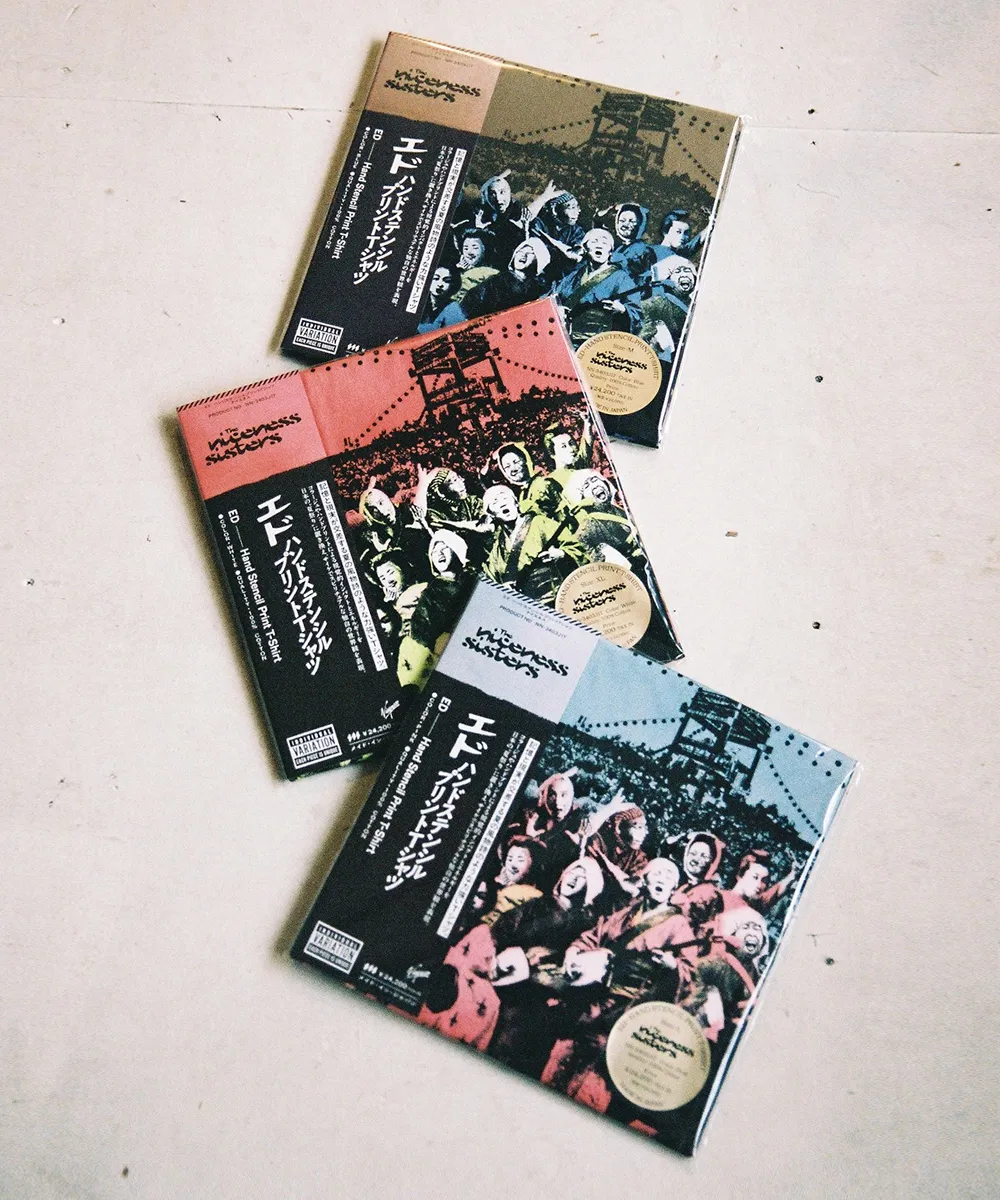
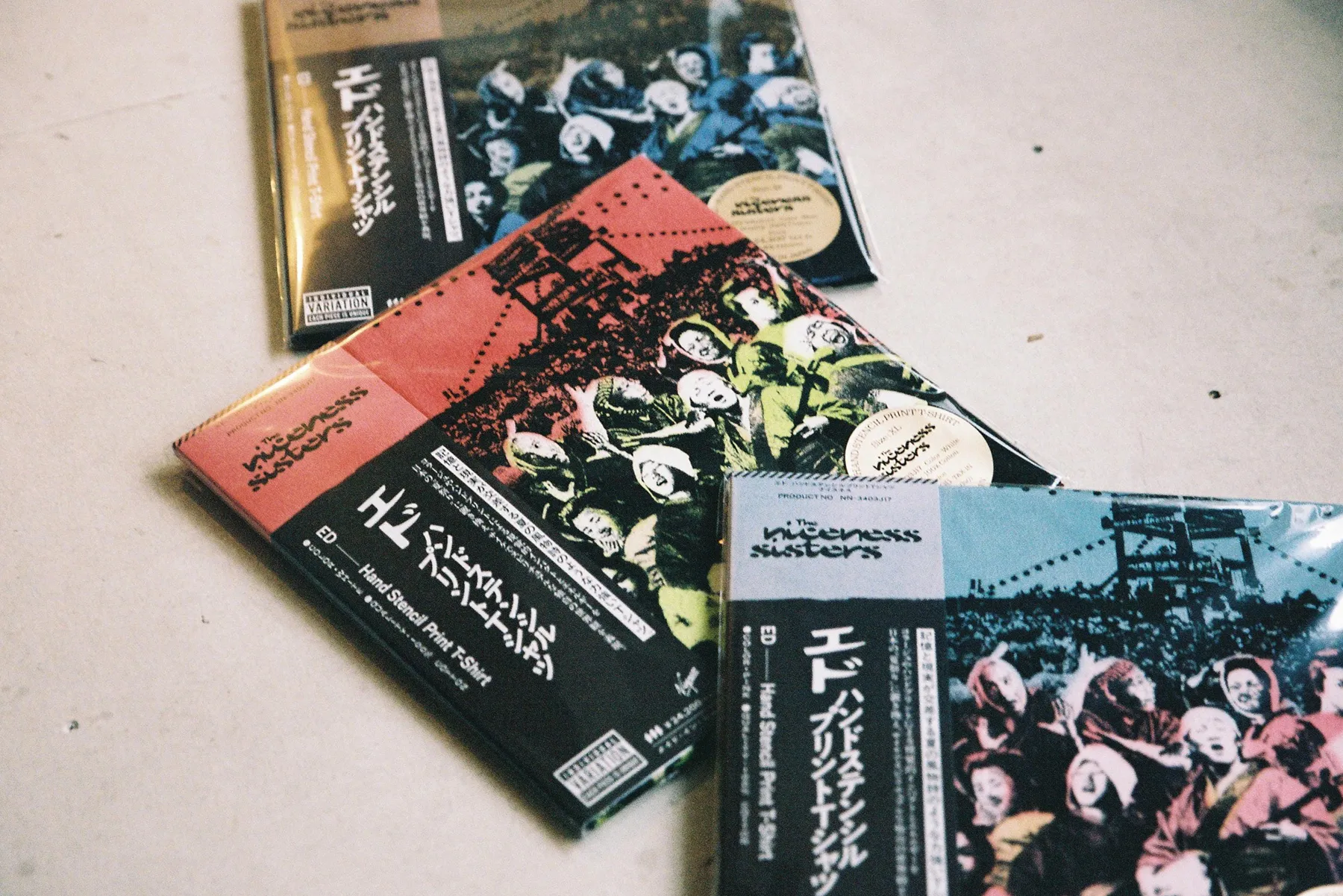
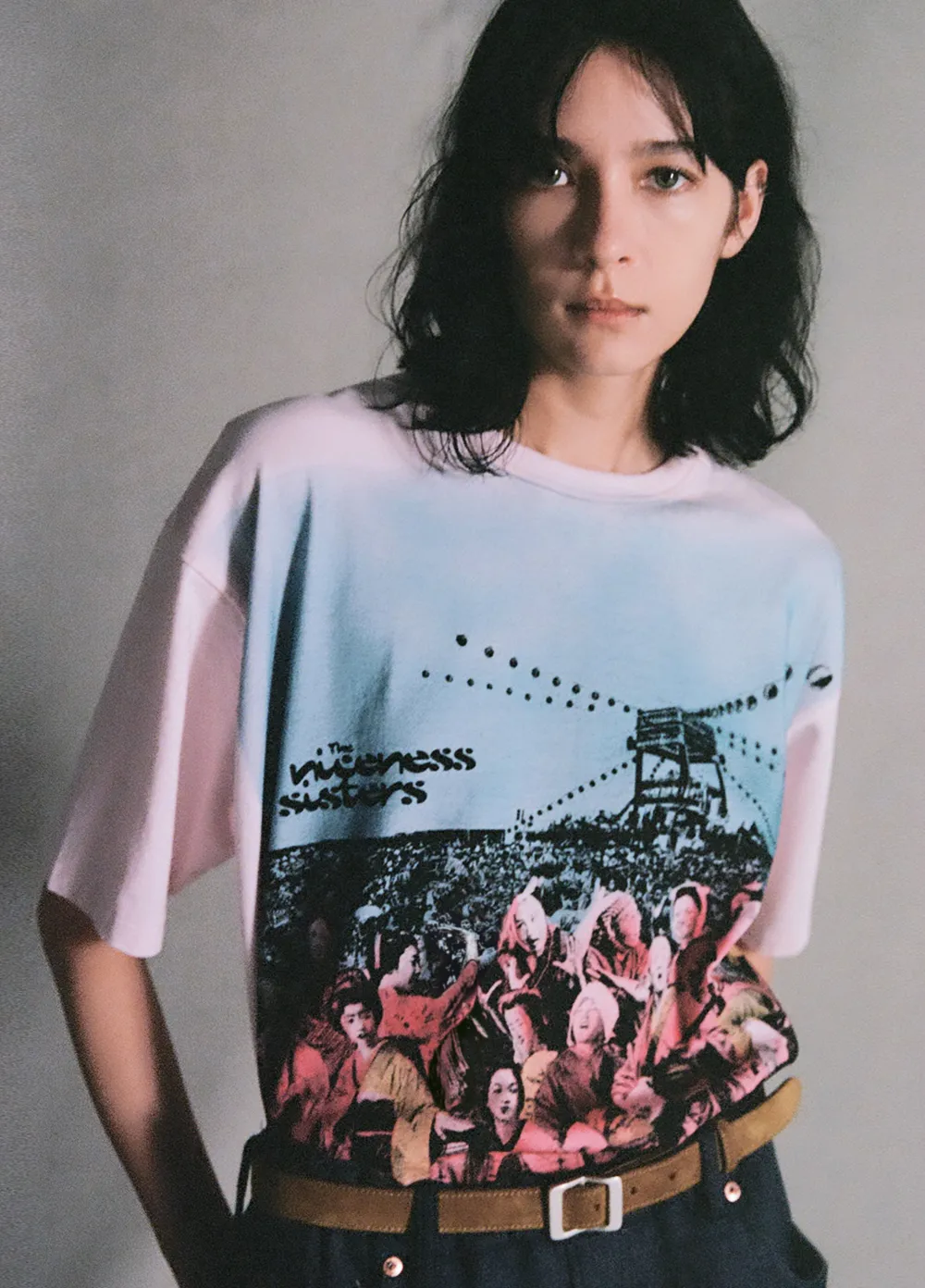
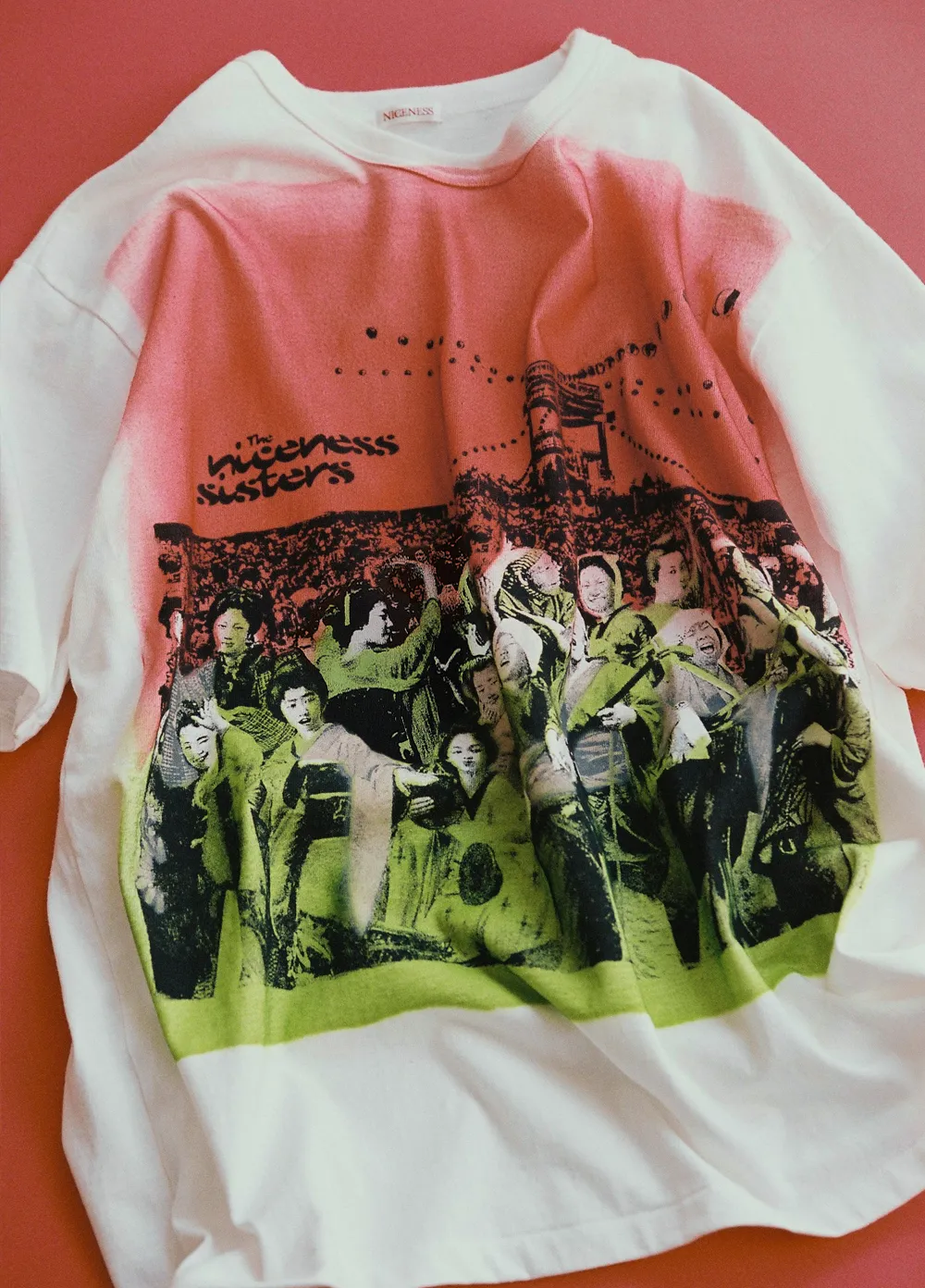
The ED T-shirt created this season brings together these seemingly distant dance cultures into a single image.
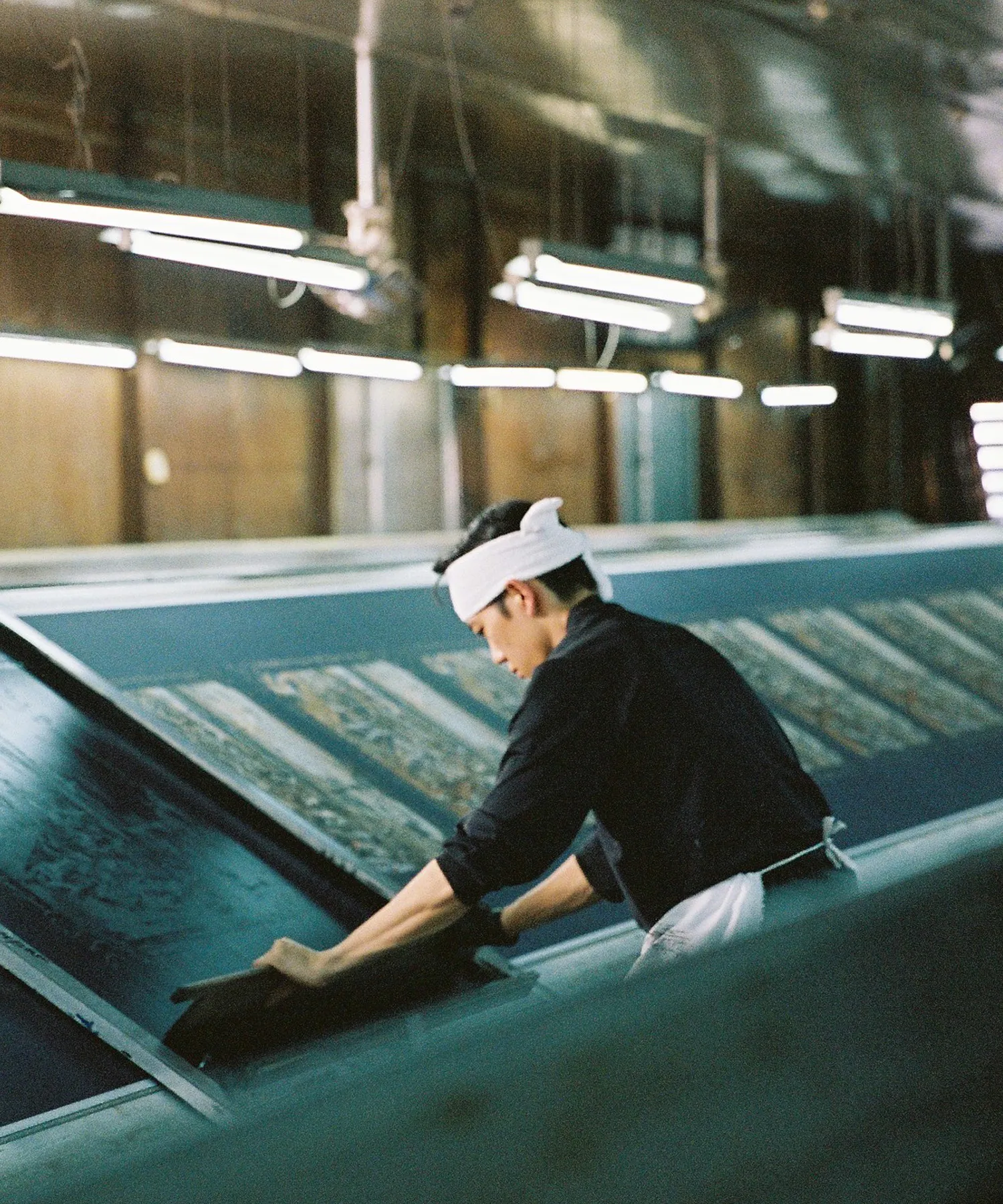
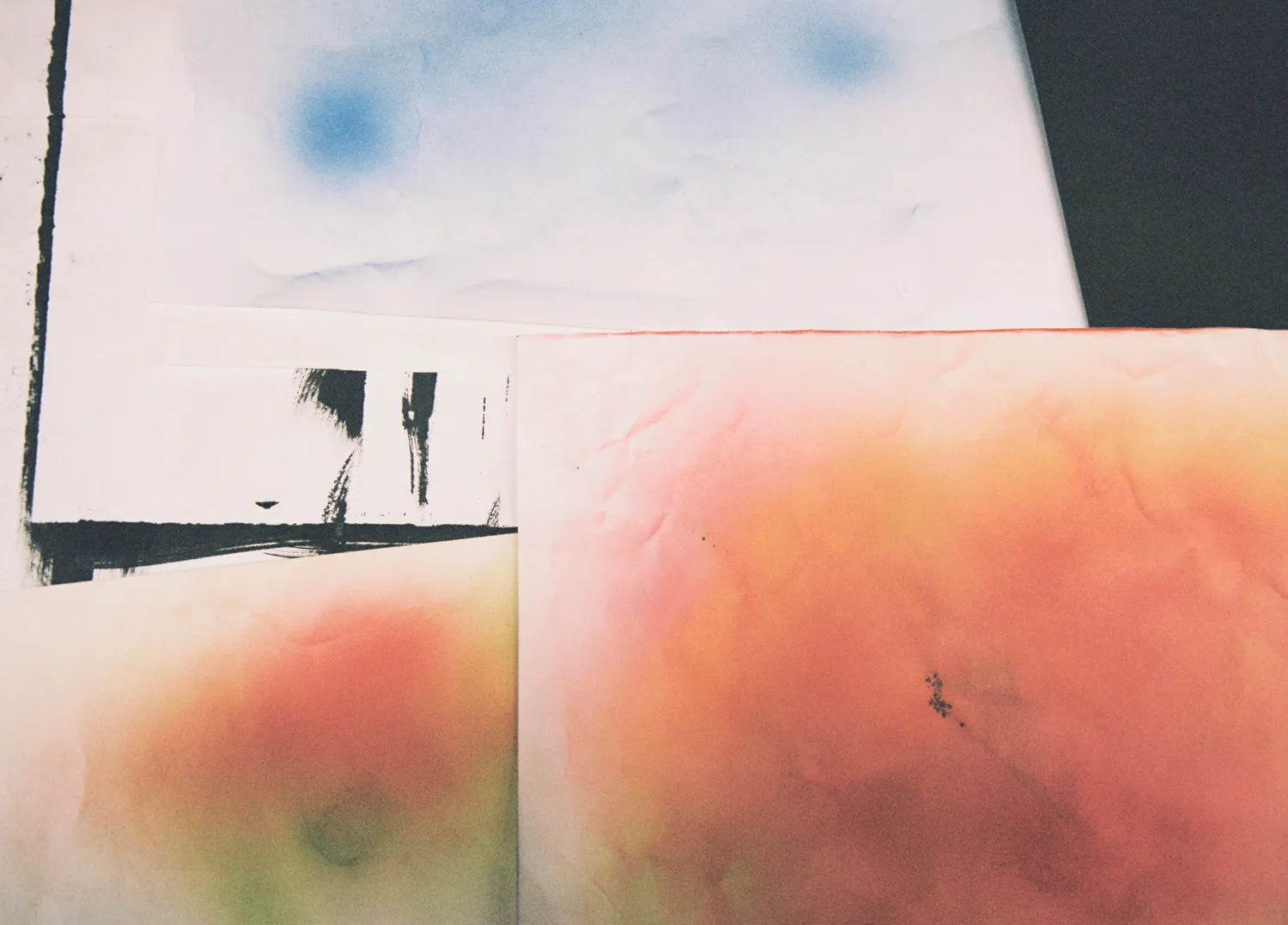
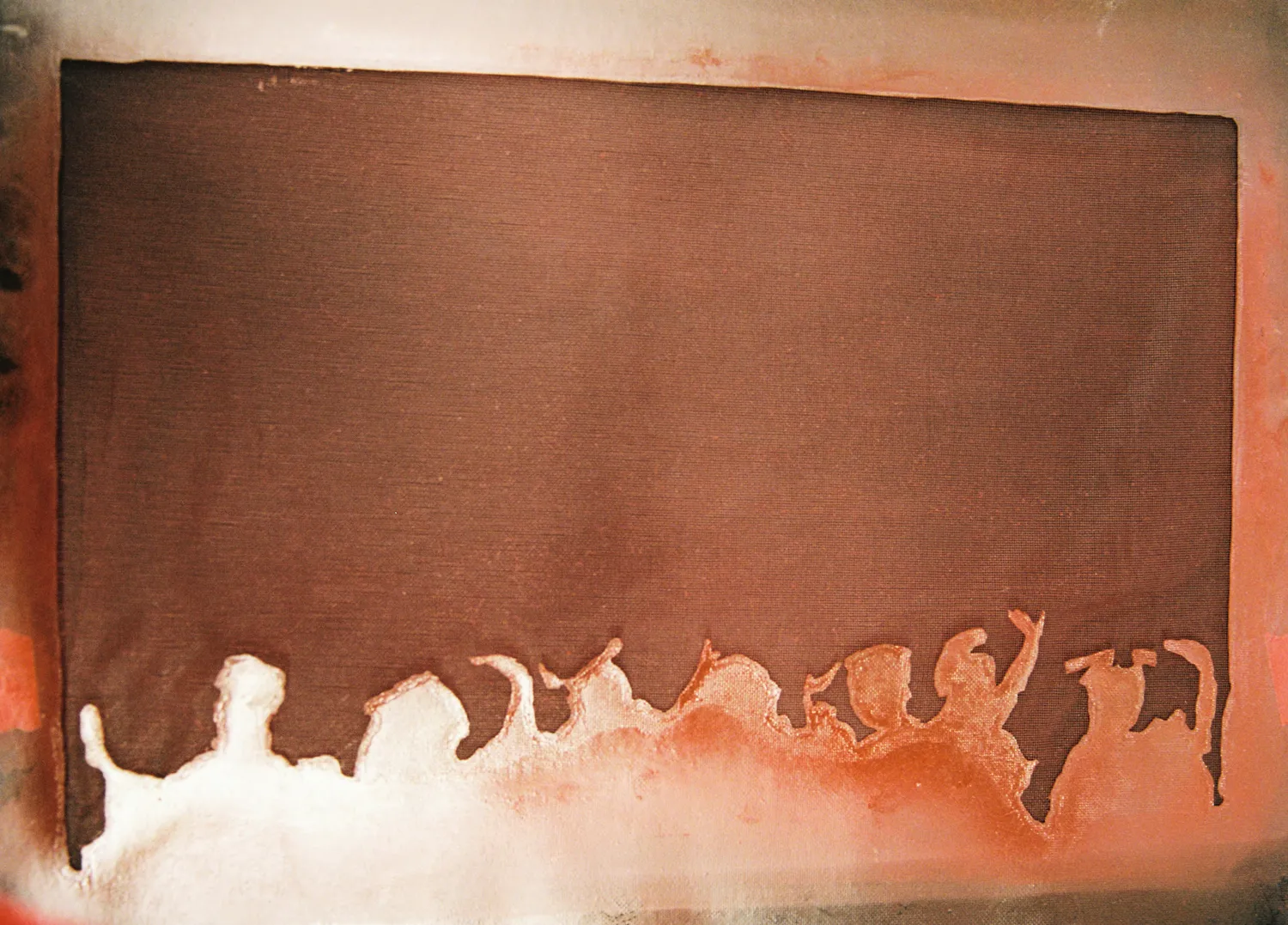
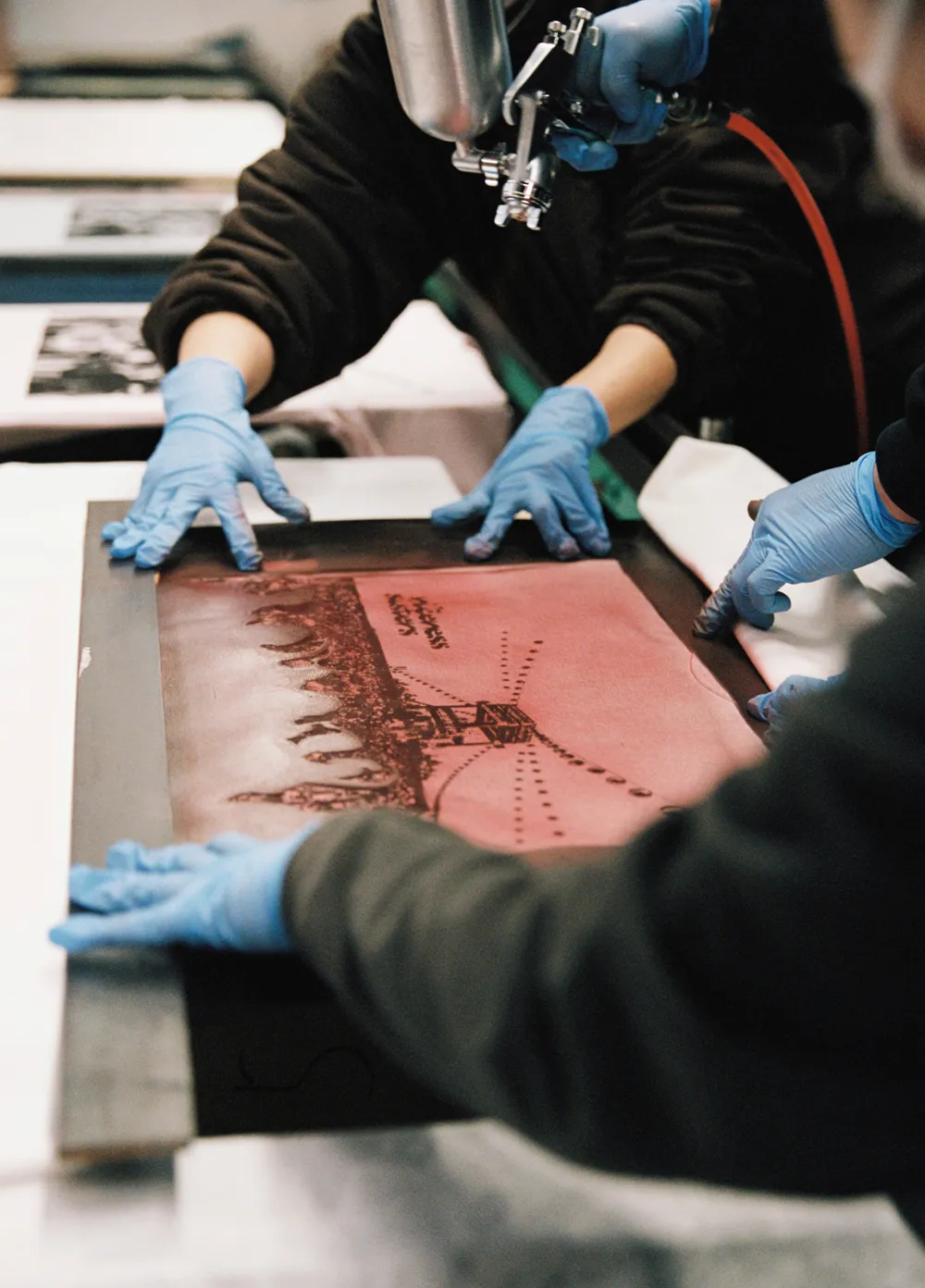
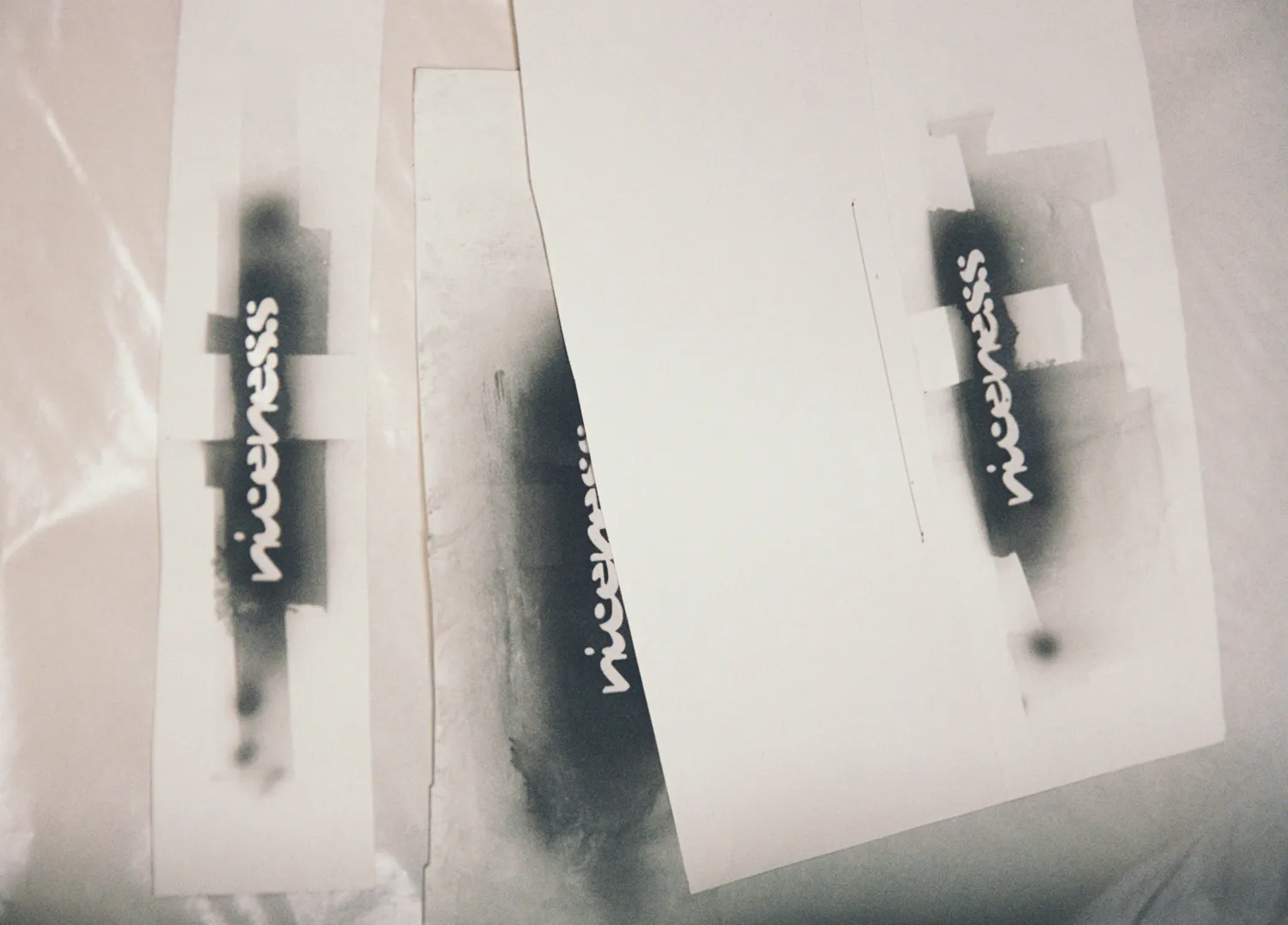
Its visual language takes inspiration from the record sleeves that defined music culture in the 1990s. Layered onto that foundation are scenes of crowds at Japanese summer festivals, assembled through a collage-like approach. The psychedelic colors are applied by artisans using airbrushed stencil printing. Variations in pressure, distance, and even the slightest movement affect the way the ink settles. Colors bleed softly into one another, boundaries blur, and no two prints emerge exactly alike—even when produced from the same stencil.

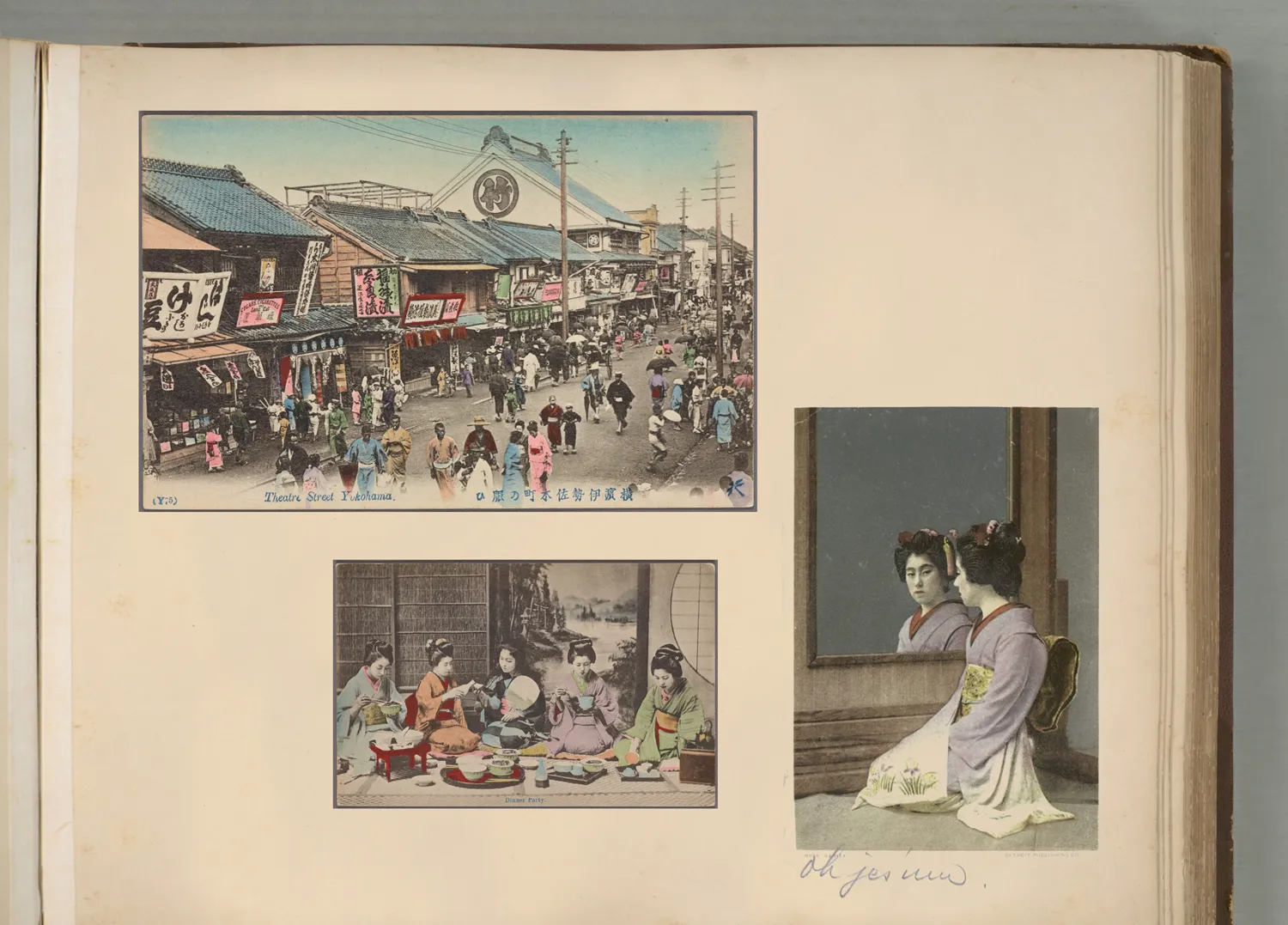
There is another source behind this treatment of color: Yokohama Shashin, a photographic tradition that emerged from the late Edo period into the Meiji era.
Photography at the time was monochrome, yet artisans painstakingly applied color by hand. Their intention was to make distant places feel more vivid and alive. The resulting images occupied a space somewhere between documentation and interpretation—records of reality infused with imagination. More than a century later, that visual language still retains its power.
The imagery of color and crowds presented here exists at the intersection of memory and the present moment.
The memory of music. The energy of festivals. The rhythms of different cultures.
All brought together within a single T-shirt.


Episode