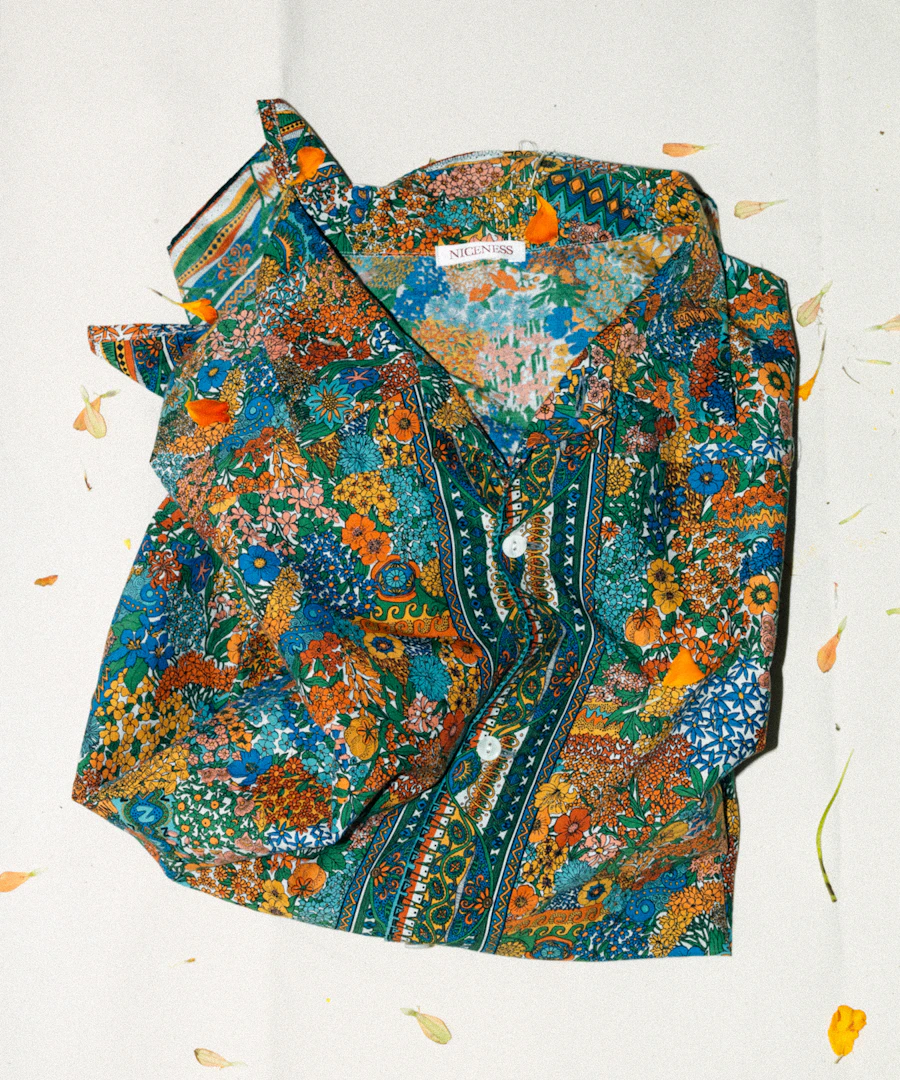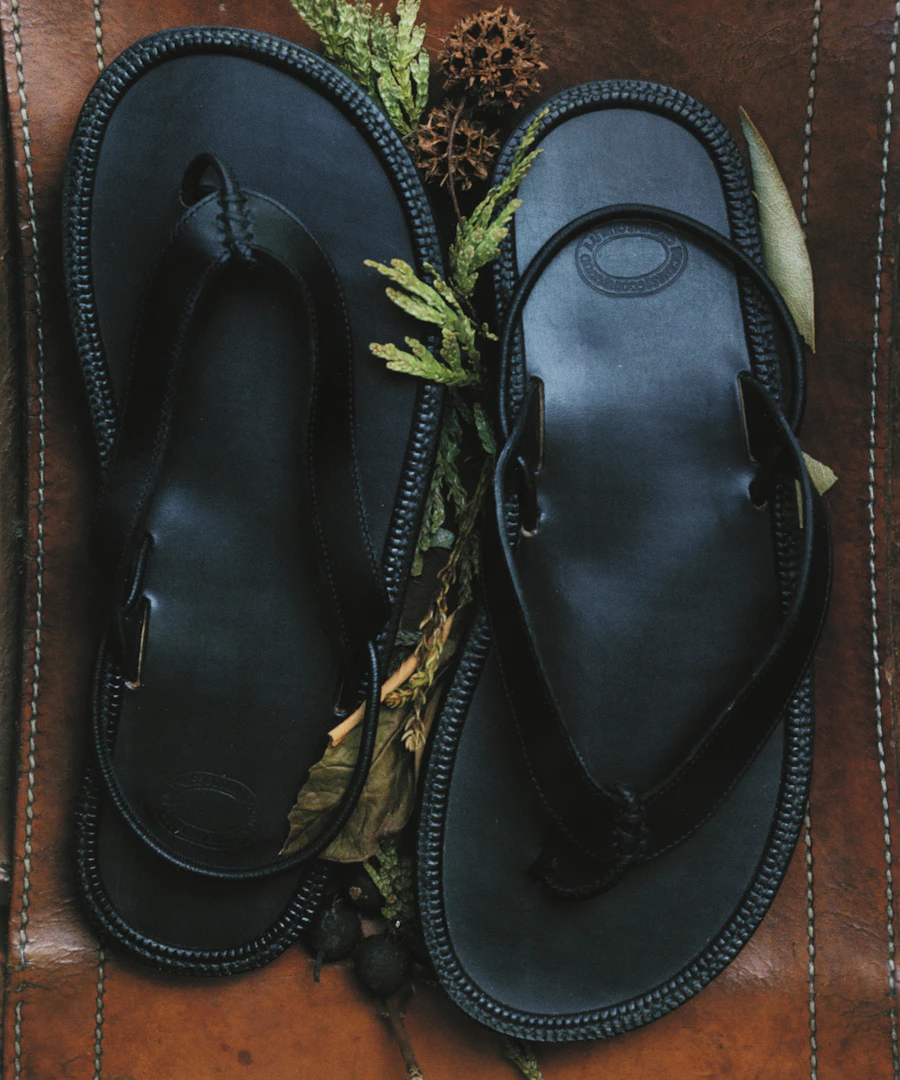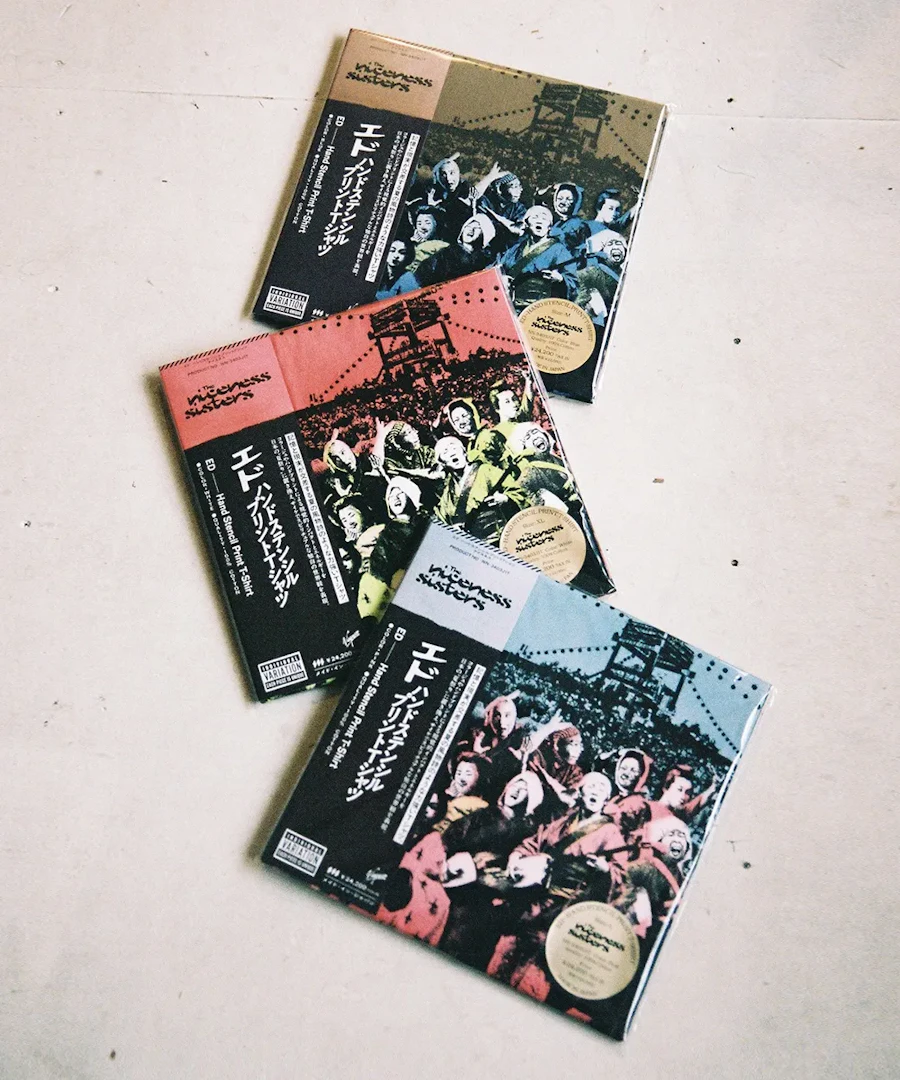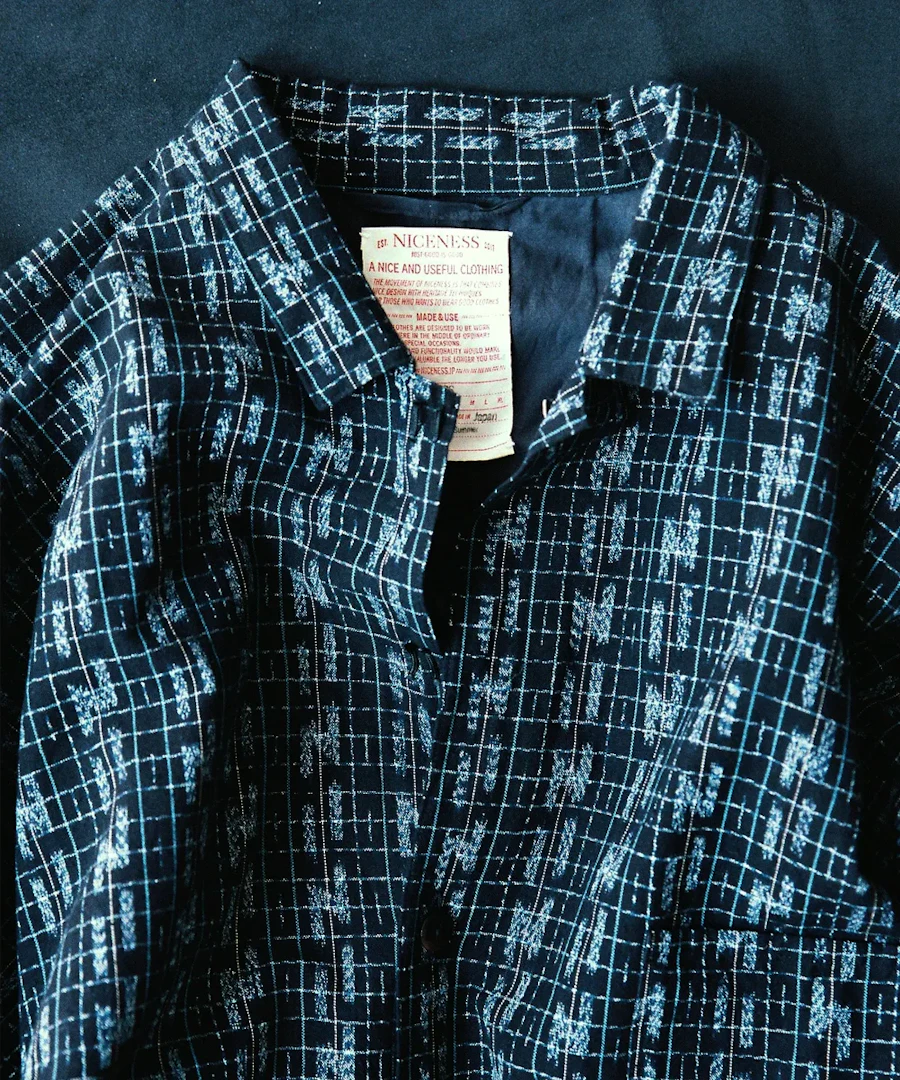

















The longing for summer sunlight now feels like a distant memory. These days, it’s more often a resigned squint behind sunglasses, muttering that the sun seems far too energetic again today. The heat—and the clothes that come with it—are beginning to wear thin. In this season when even walking outside feels burdensome, there’s a certain rhythm in working quietly through the morning in a cool room, then heading out for a walk as the evening sets in. Whether near the office or close to home, I like to wander without a fixed route, and sometimes stumble upon a vintage shop that seems to have appeared overnight. From timeless classics to singular selections that reveal each shop’s philosophy, or items once overlooked that now enjoy new popularity—each visit brings a small discovery.
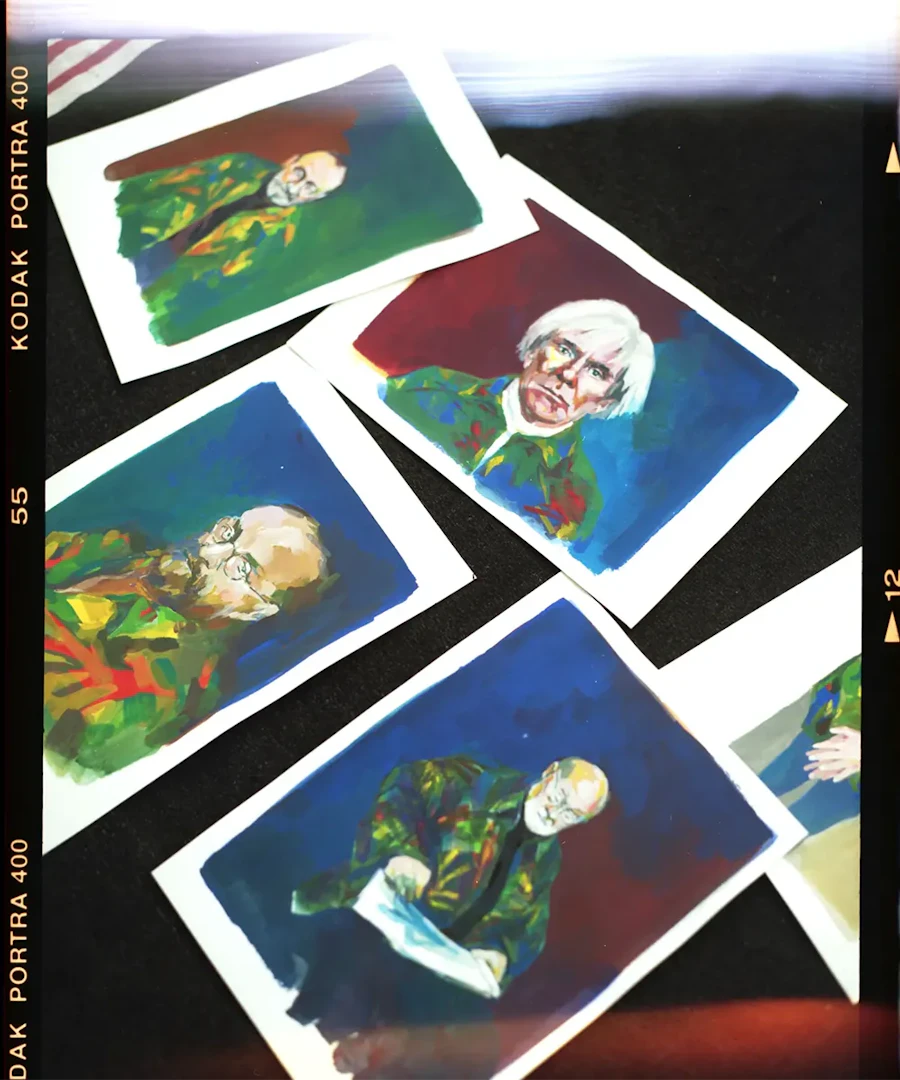
One of the great pleasures of vintage clothing lies in the space it leaves for imagination. A shirt with unusually short sleeves and an oversized body might suggest a custom piece made for a large man; a military jacket with mismatched fabrics across its panels evokes an image of wartime scarcity, when materials were precious and repurposed with care. Time slips by as I imagine the people who made and wore such garments—their intentions, their circumstances. The truth behind them may remain unknown, yet that process of imagining invites affection, a quiet desire to make them one’s own.


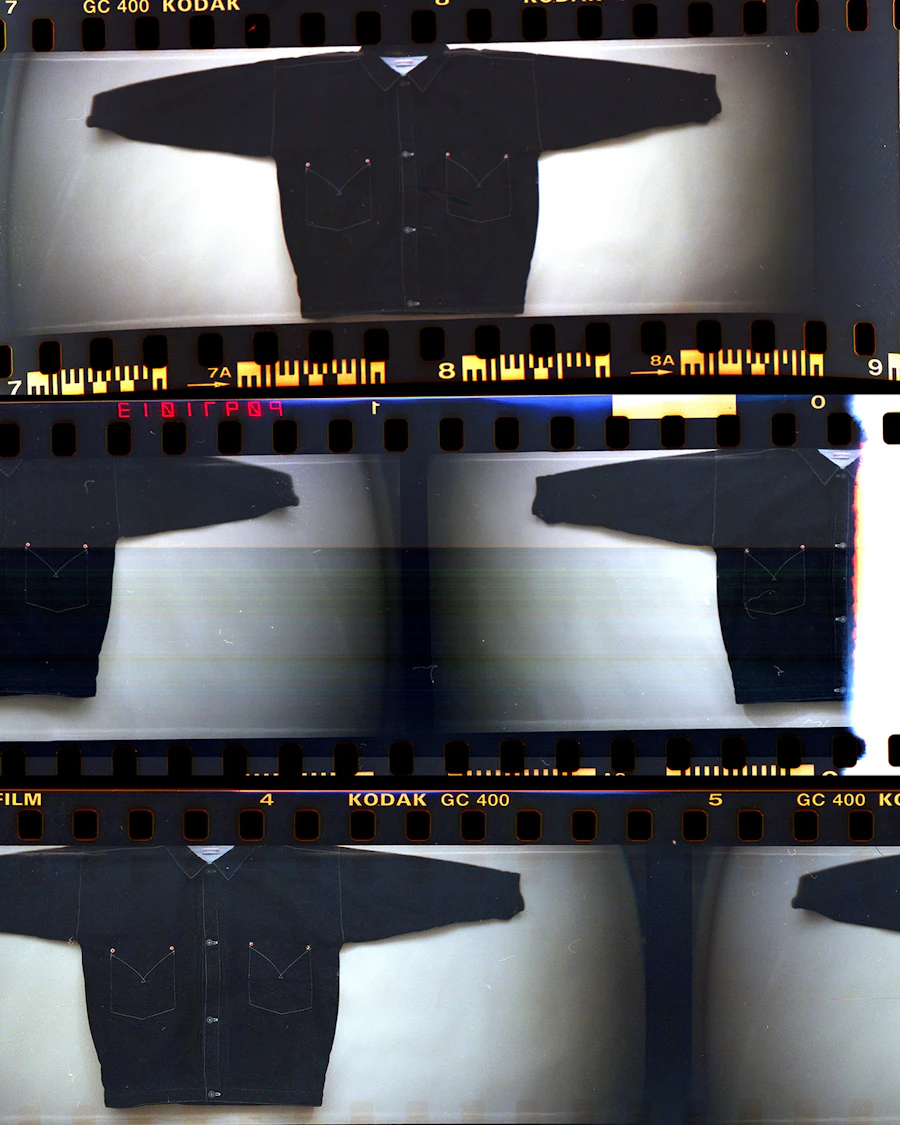
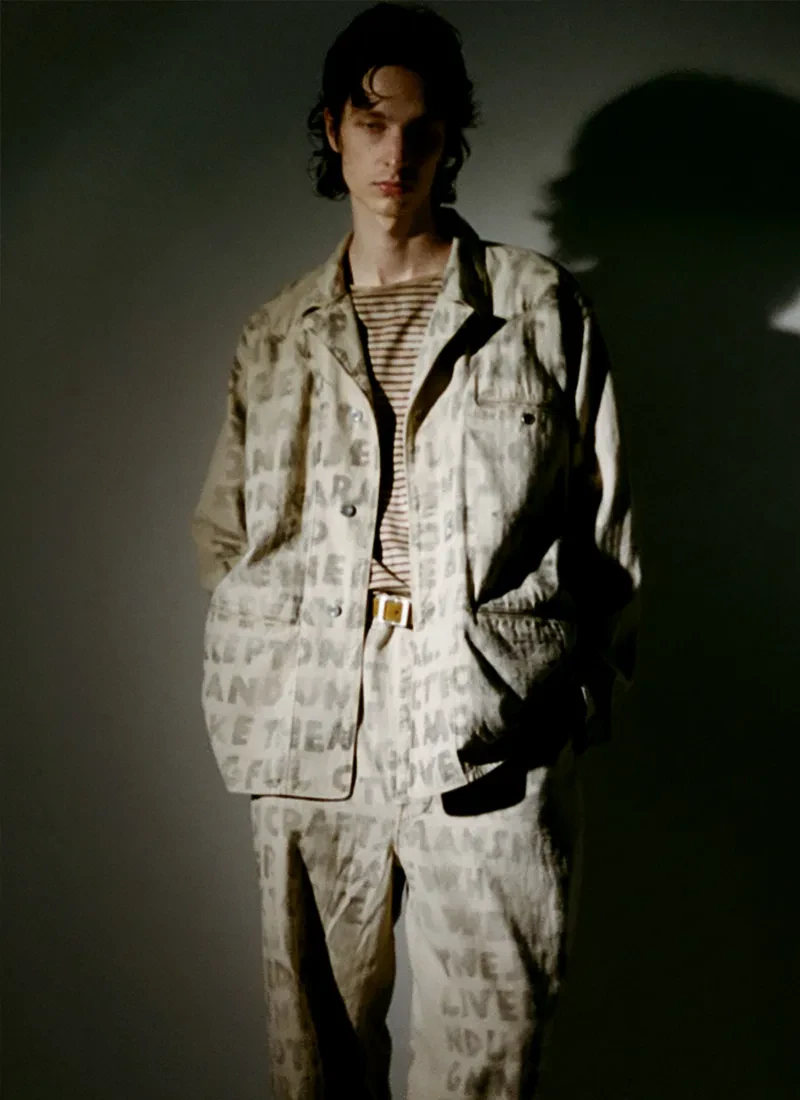
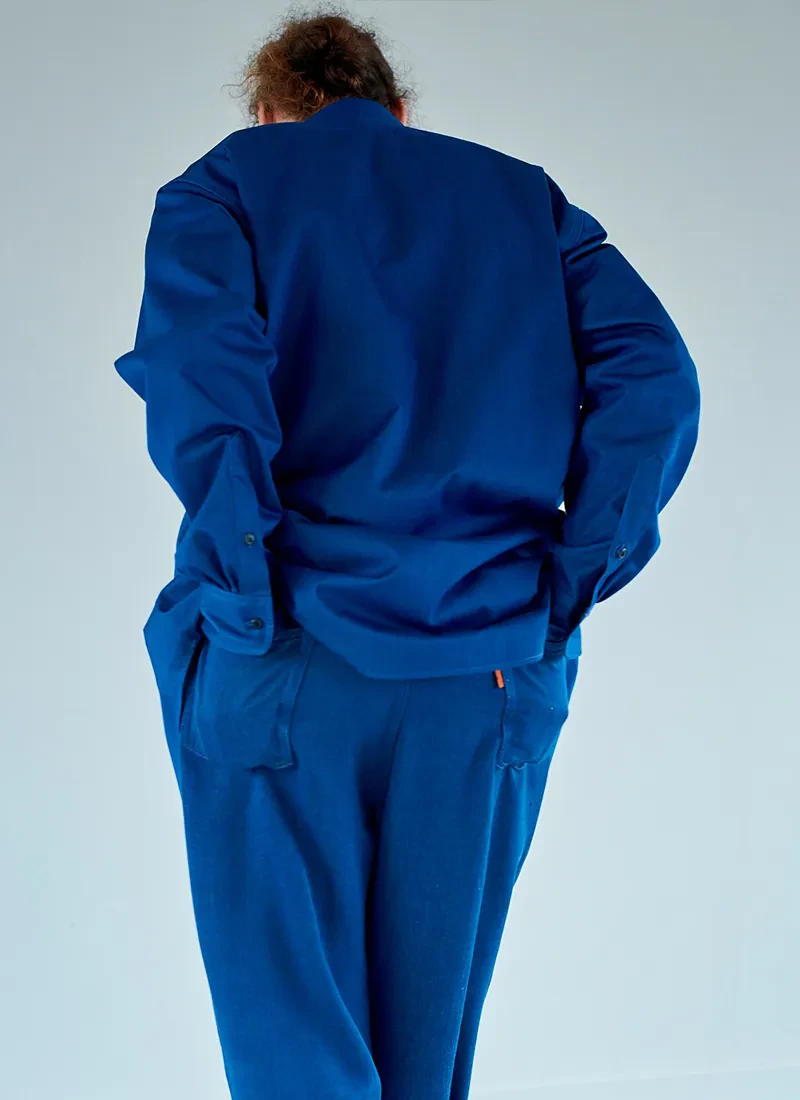
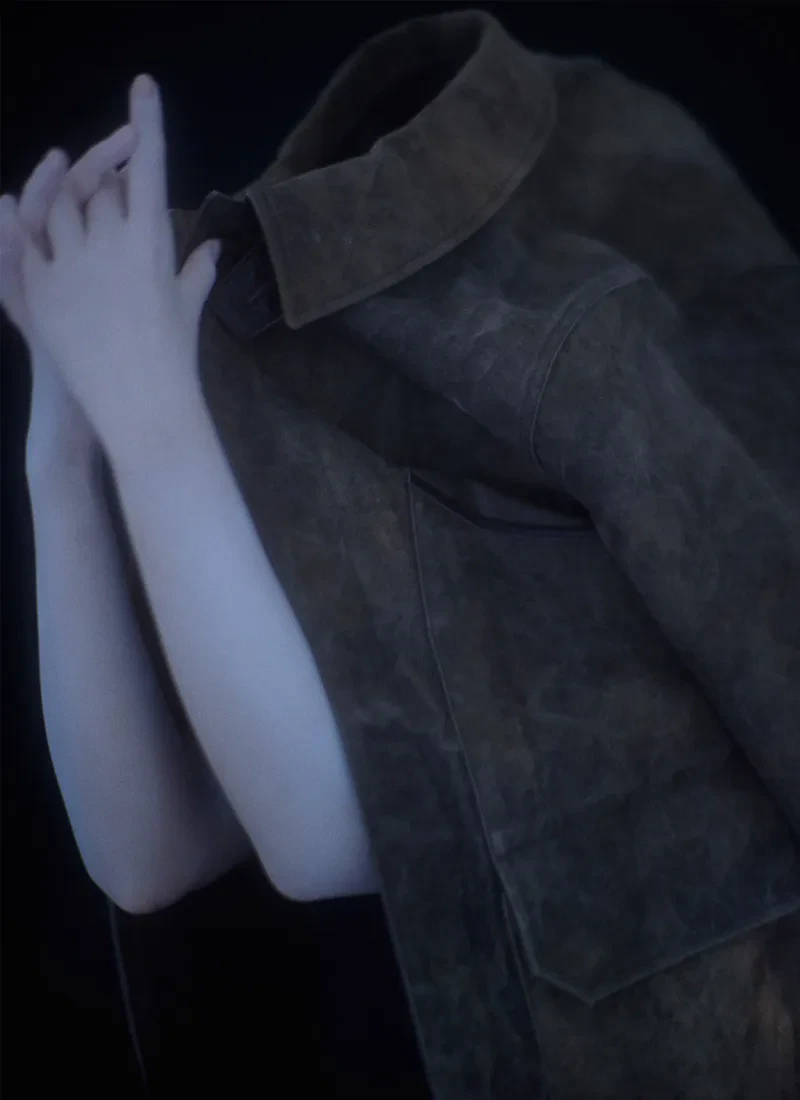
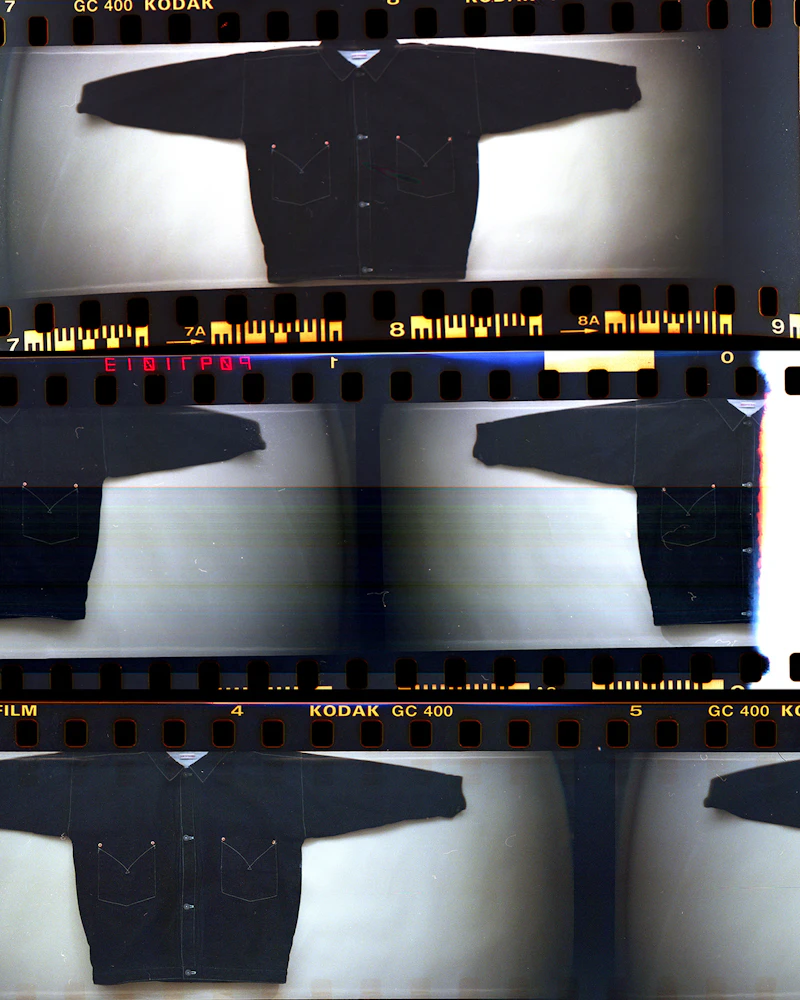
With that same curiosity, we created a sweatshirt designed to spark imagination in the wearer and observer alike. It takes cues from vintage circular-knit sweatshirts—the kind one occasionally finds reworked in old shops—and reconstructs them for today. Its distinctive lantern-like sleeves, wide around the elbows and tapered toward the wrists, reflect a vintage pattern made for ease of movement in sportswear. But to wear such a piece oversized, as we do now, would have been unthinkable then. Rather than replicating the past, we reinterpreted it—reshaping proportion and detail to suit the rhythm and sensibility of contemporary life. At first glance it may seem like an ordinary sweatshirt, but once you put it on, the nuances of its construction quietly reveal themselves.
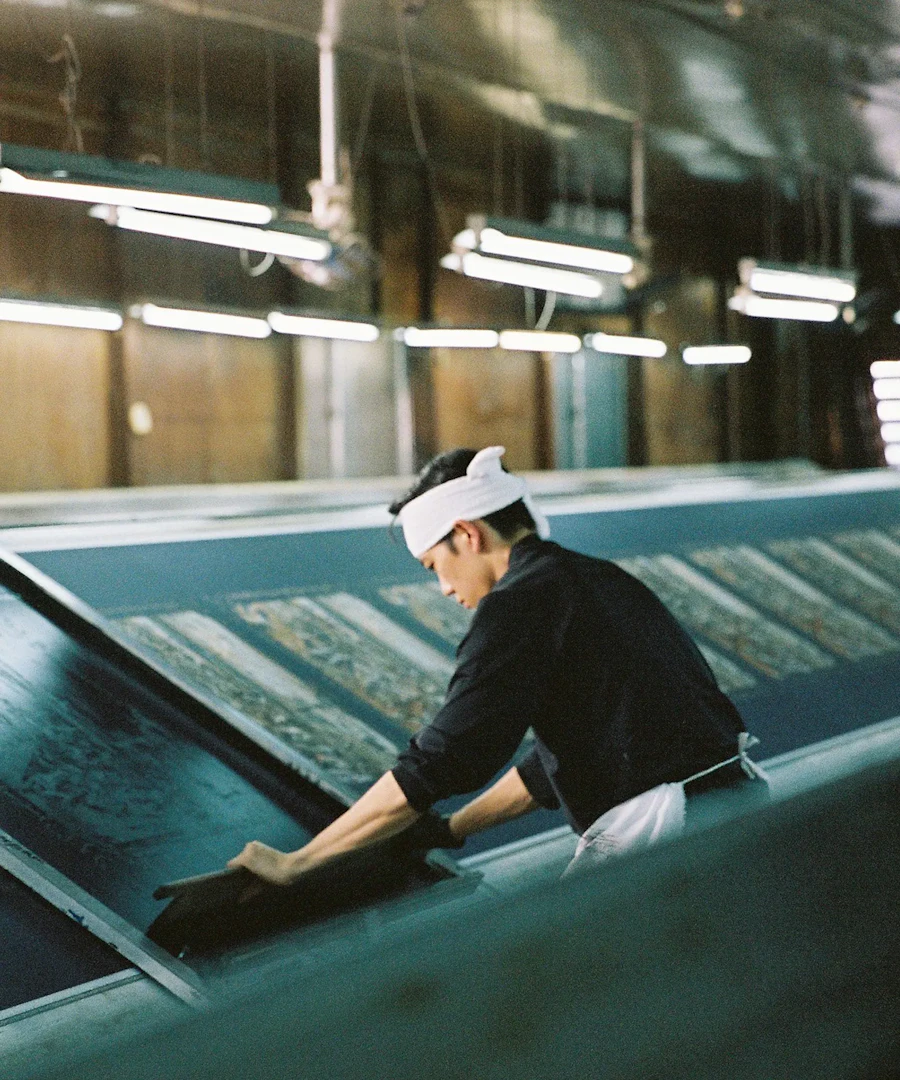
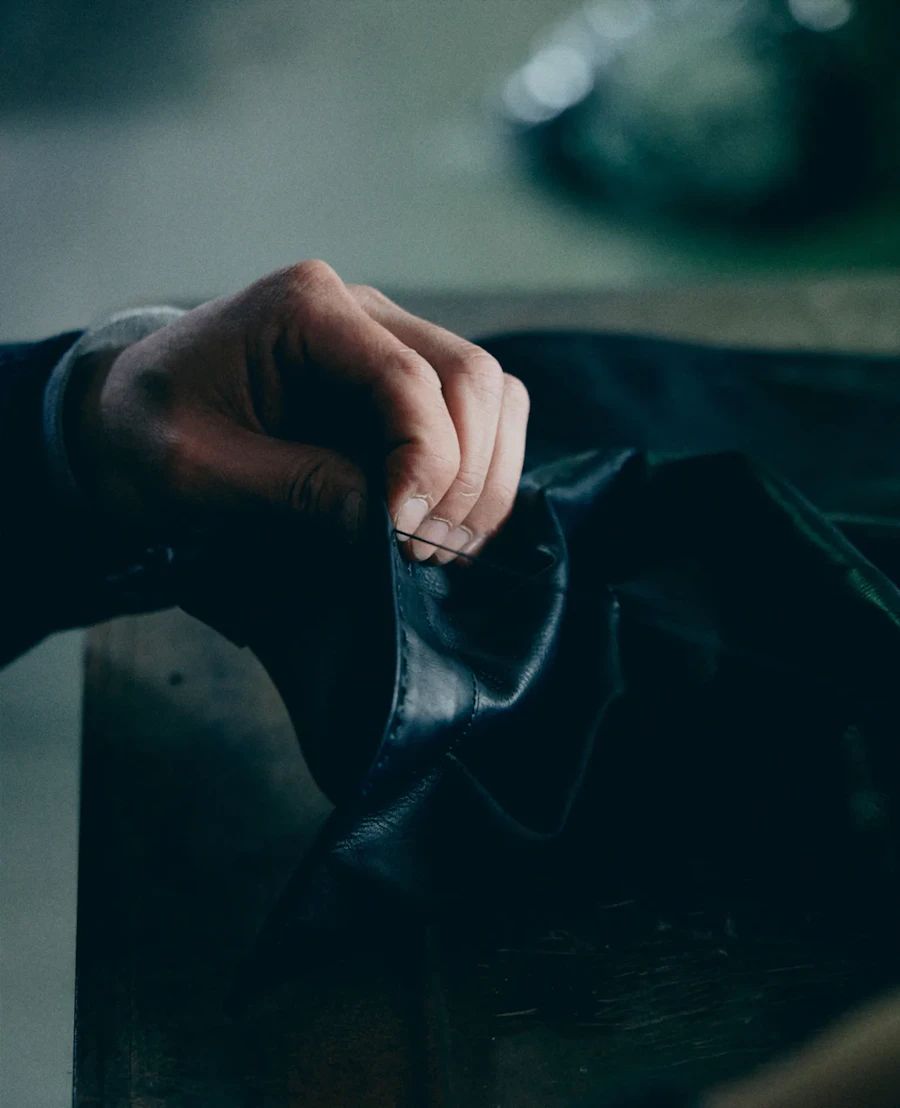
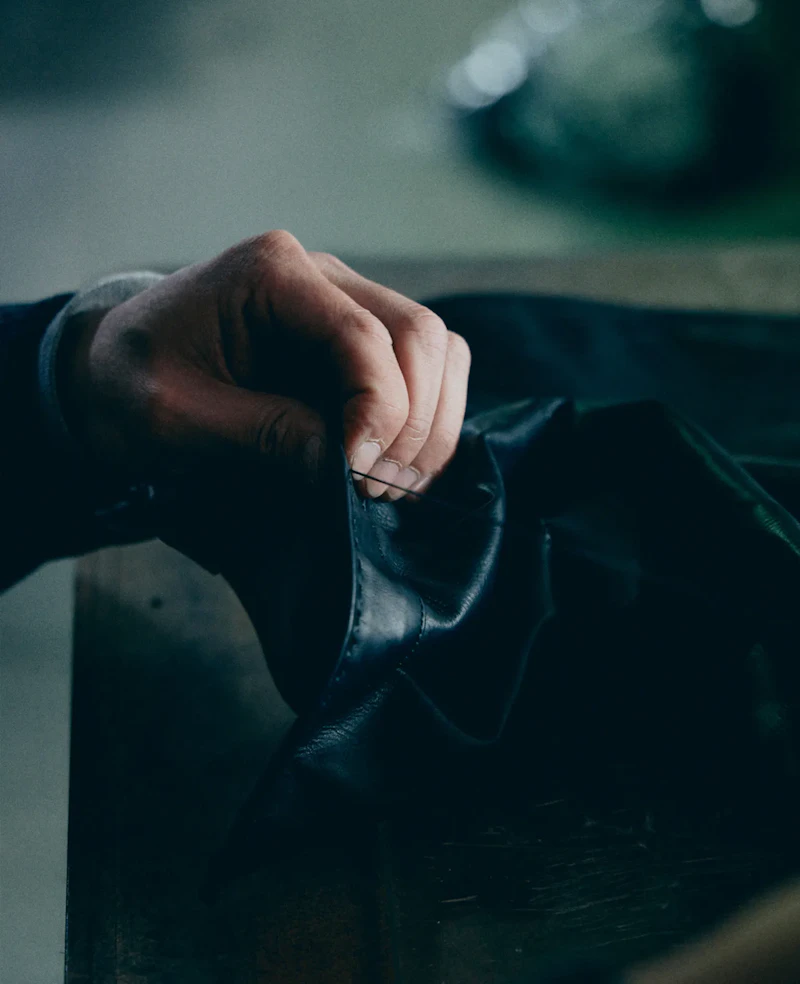
Each panel is dyed separately to create contrast, then assembled and treated by hand in the final stage to achieve a subtle sun-faded finish. Unlike mechanical, uniform processing, this fading is done manually—each section handled individually by skilled artisans. It’s a slow process, but the result is a depth of character that varies from piece to piece. There’s beauty in seeing the hand’s trace coexist with mechanical precision—a meeting point of craft and technique.
This sweatshirt began as an imagined find—something I might wish to discover in a vintage shop. And perhaps, decades from now, it will rest in such a place again, prompting someone to wonder how and why it was made. Thinking about clothing across such long spans of time makes the act of creation endlessly fascinating—and keeps the imagination alive.


Episode