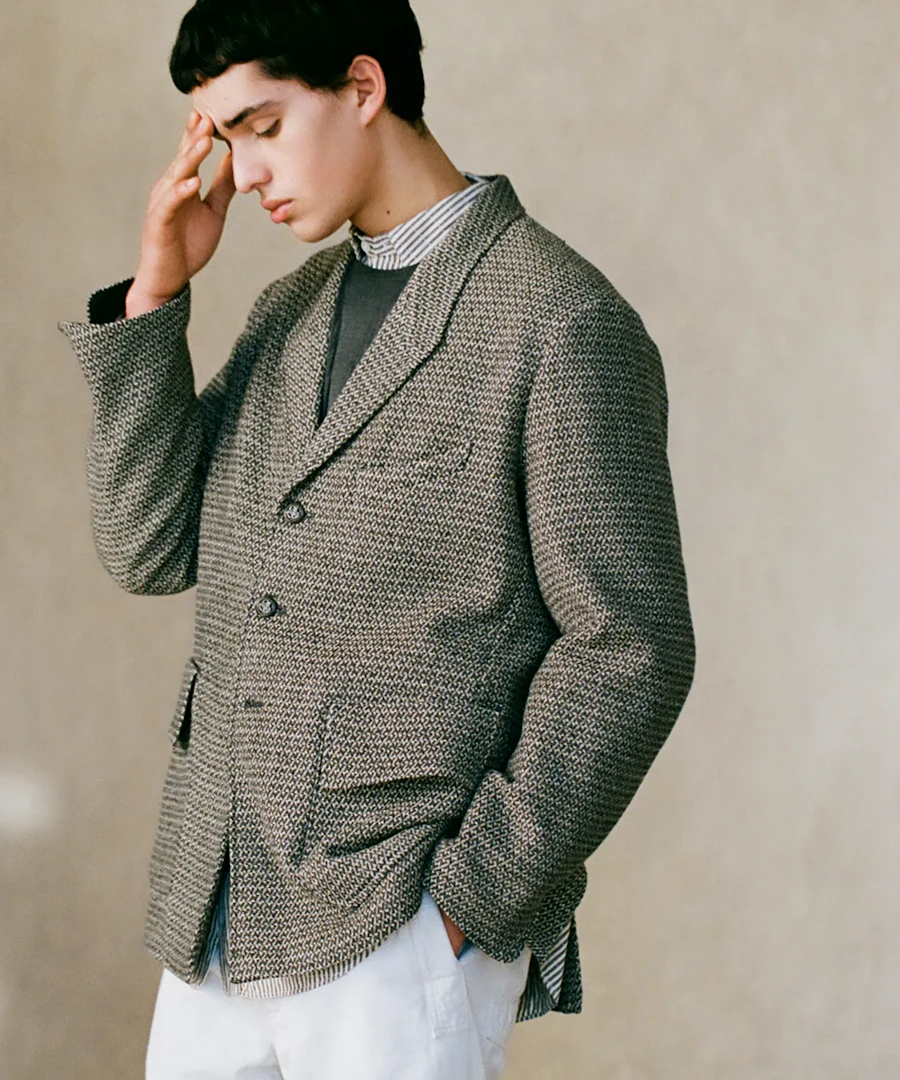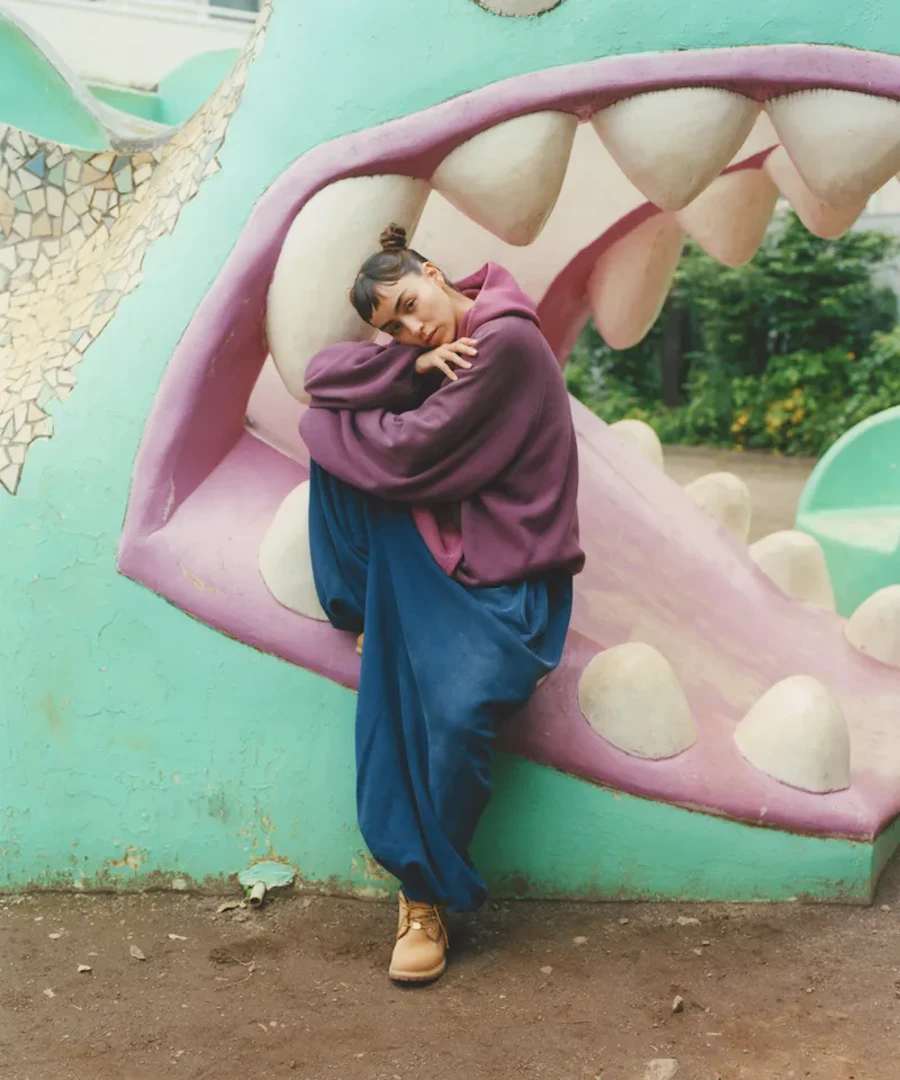
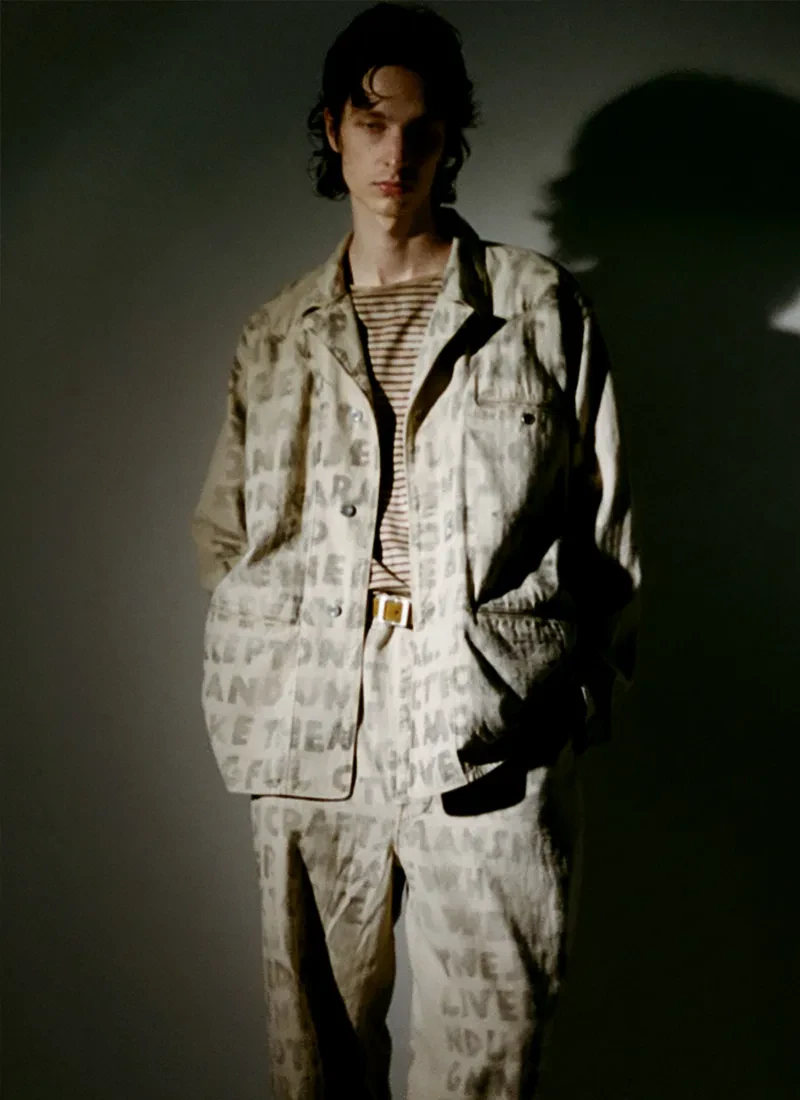
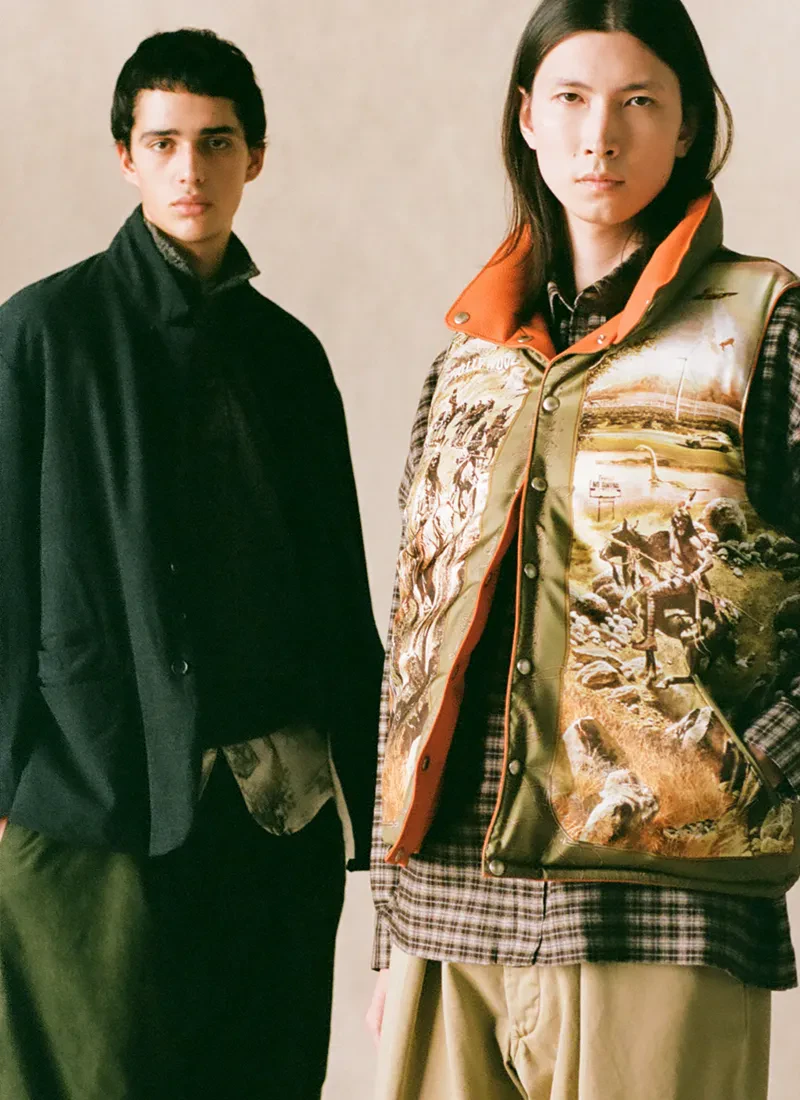
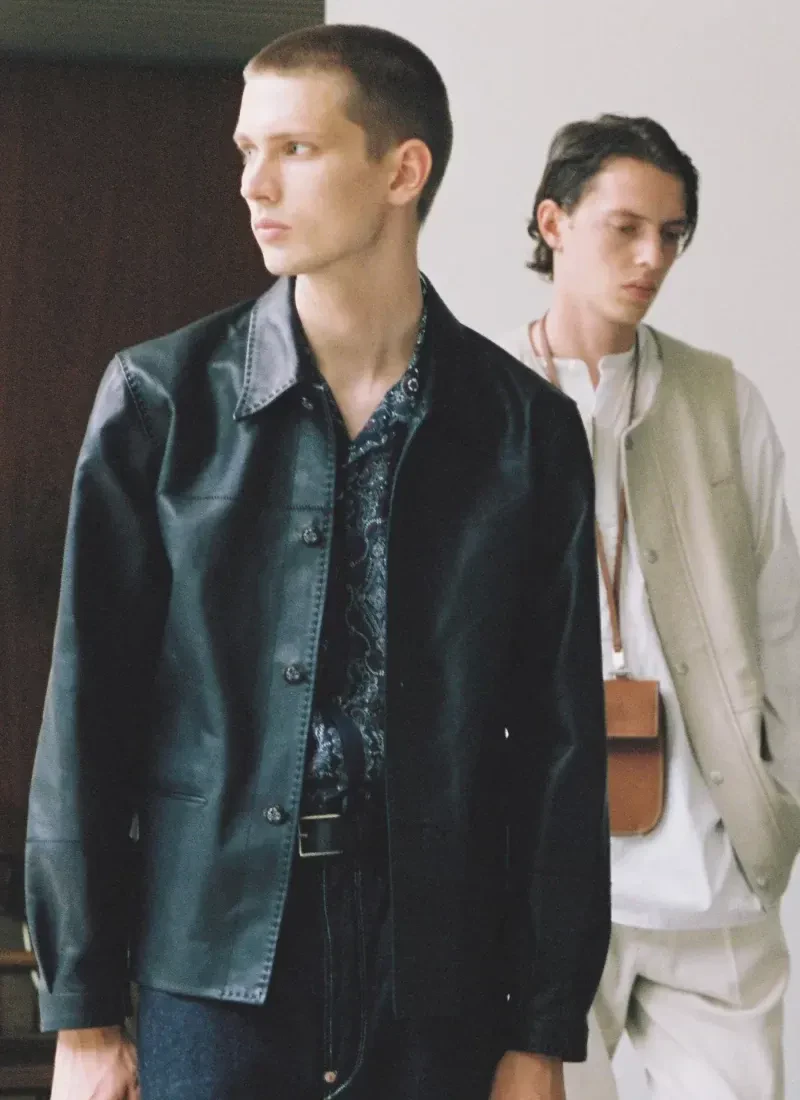
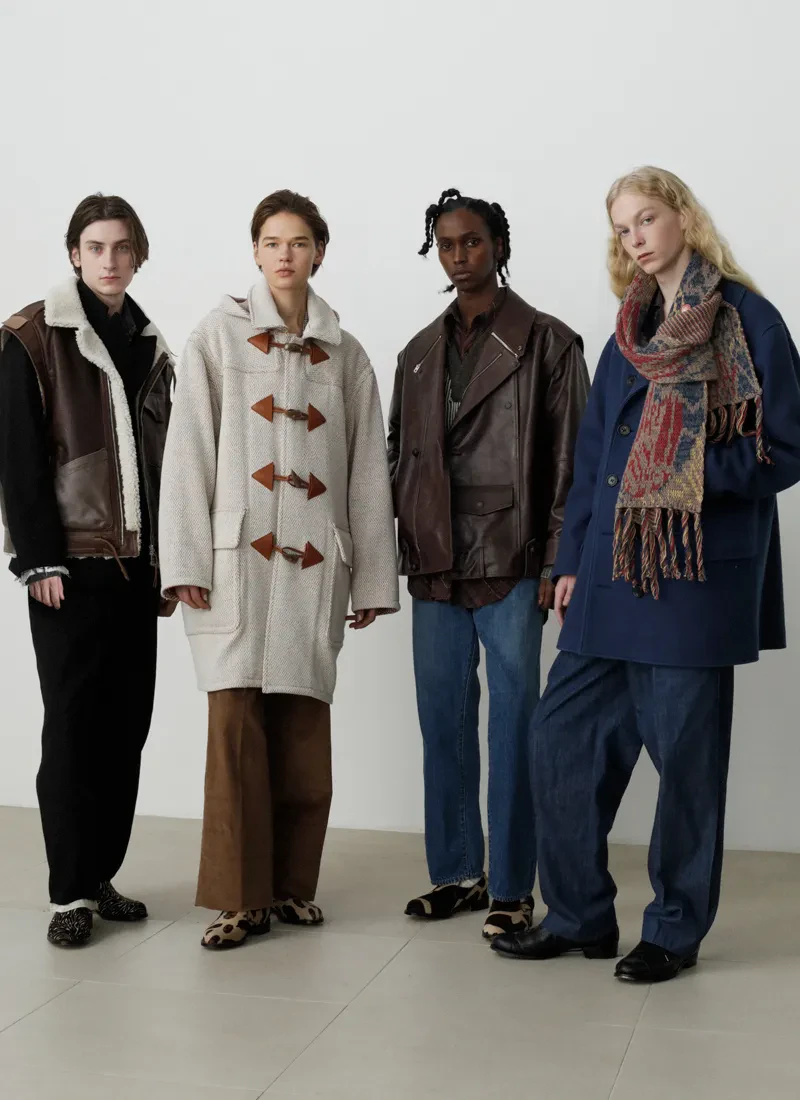
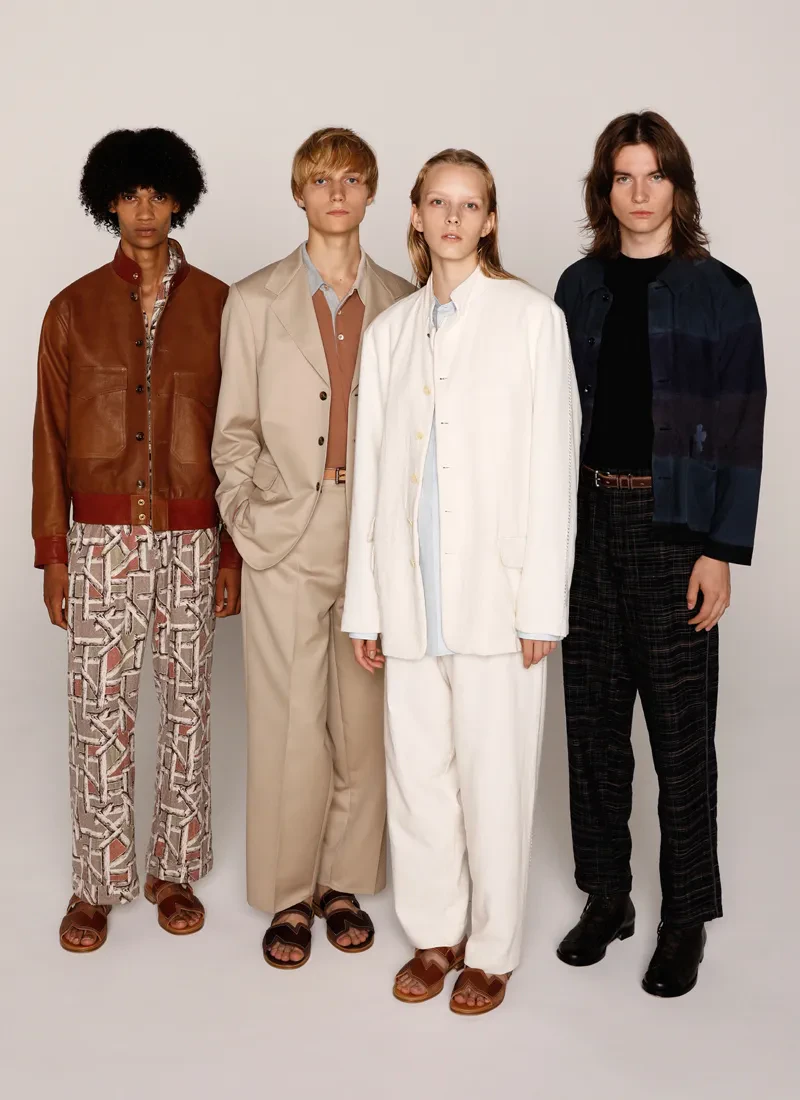
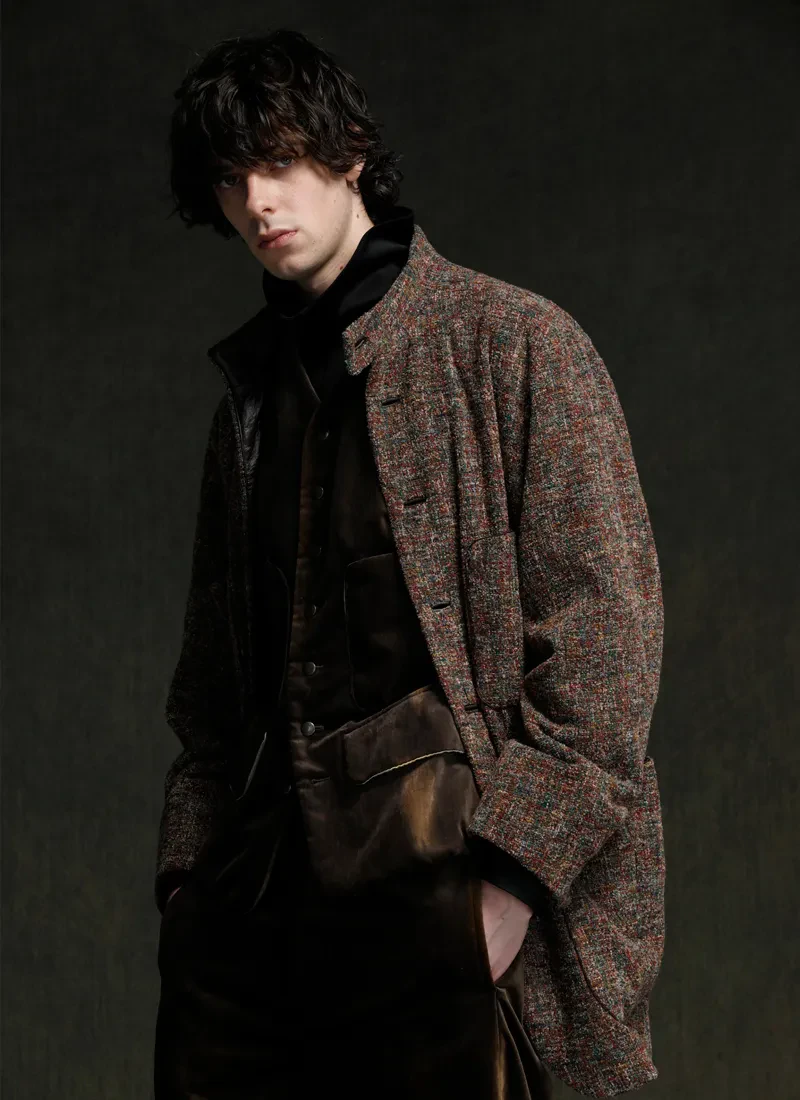
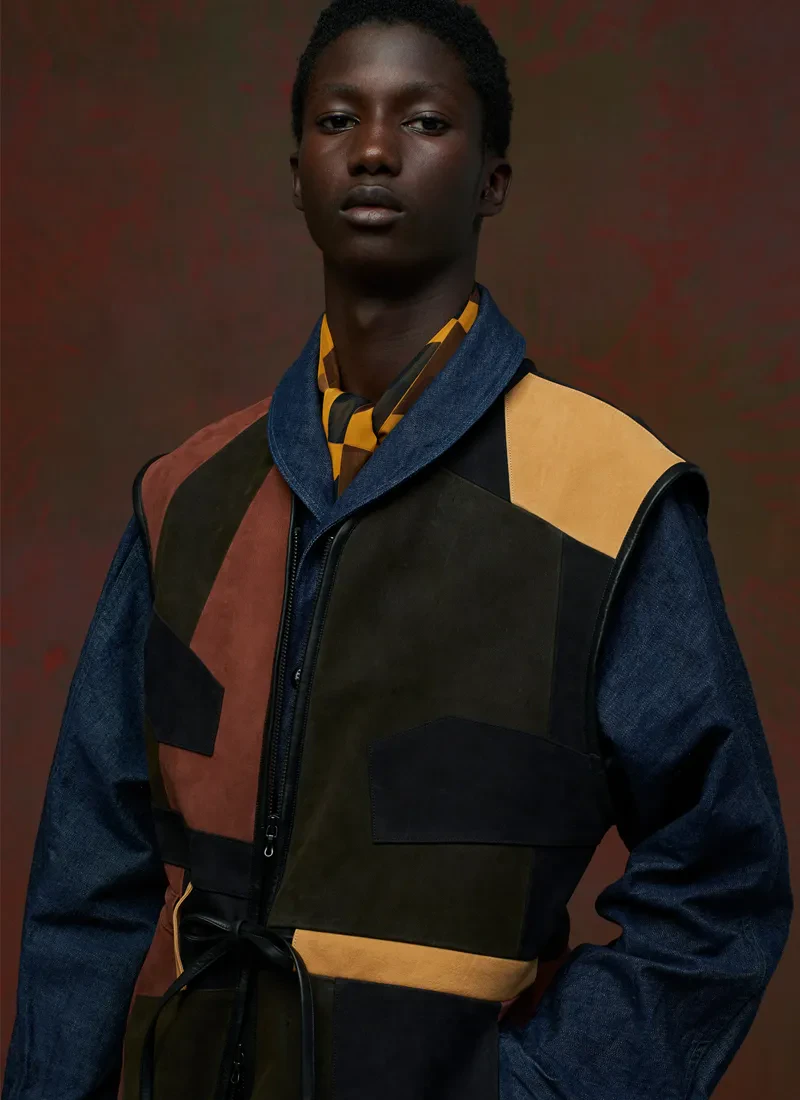
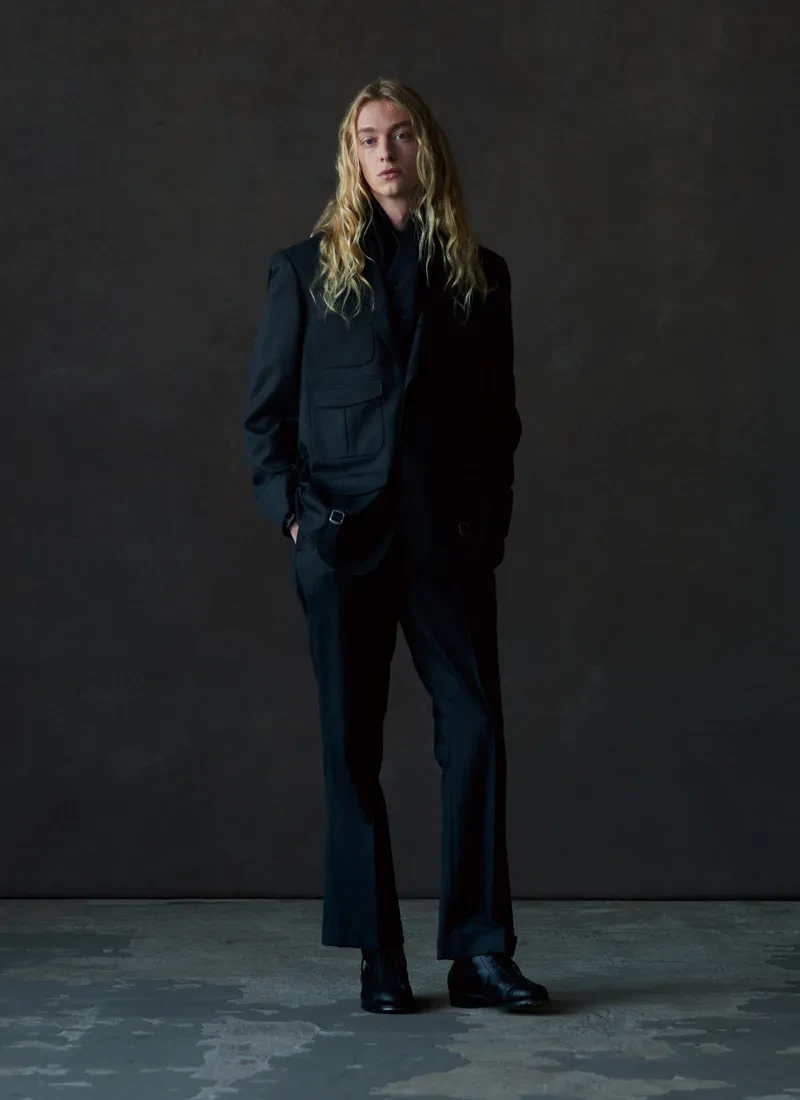
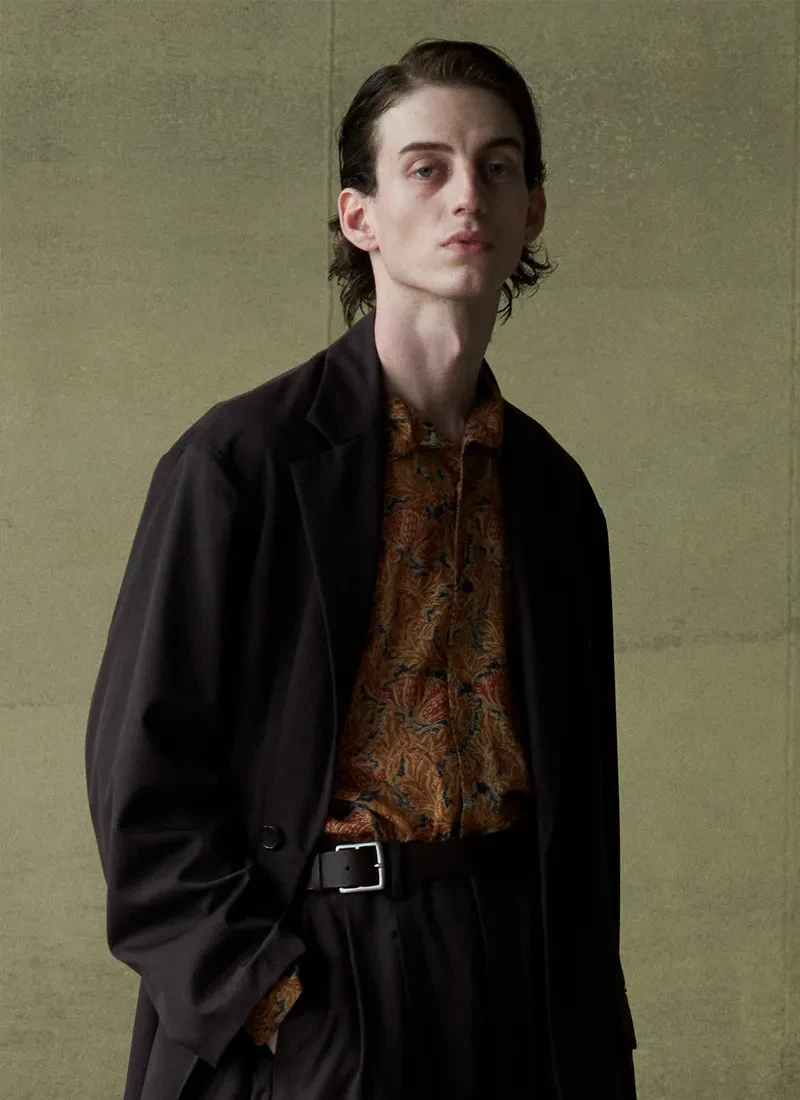
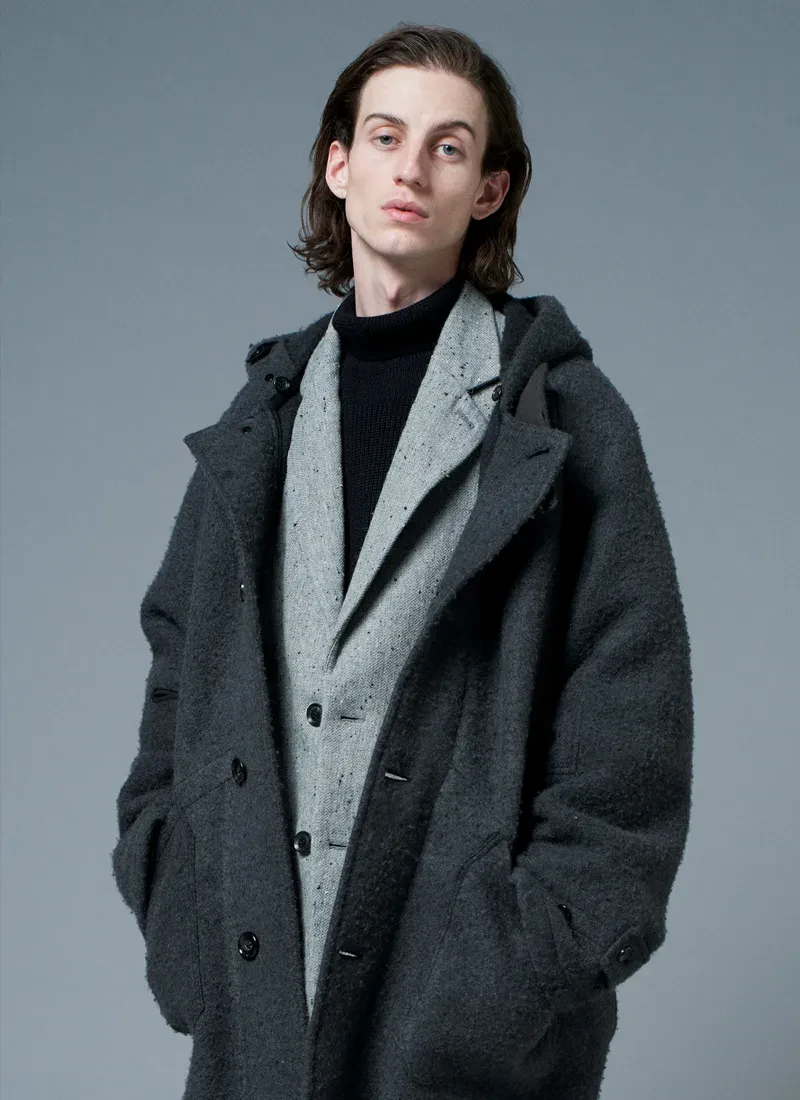
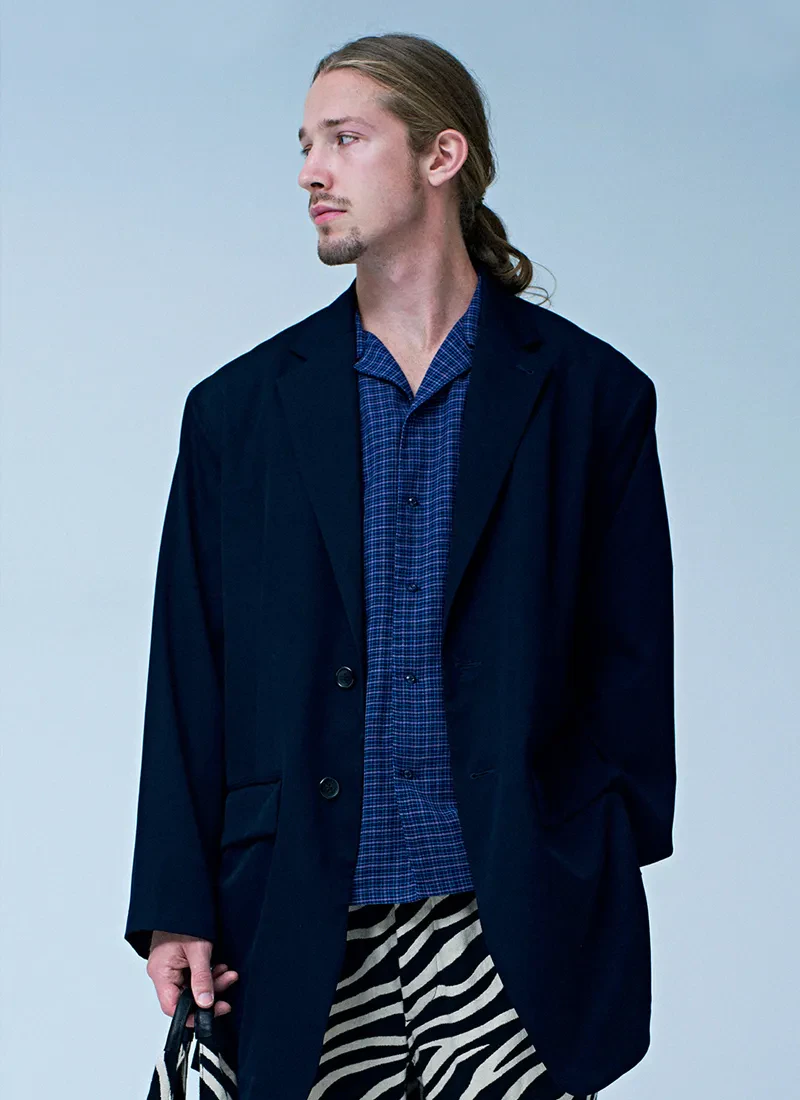
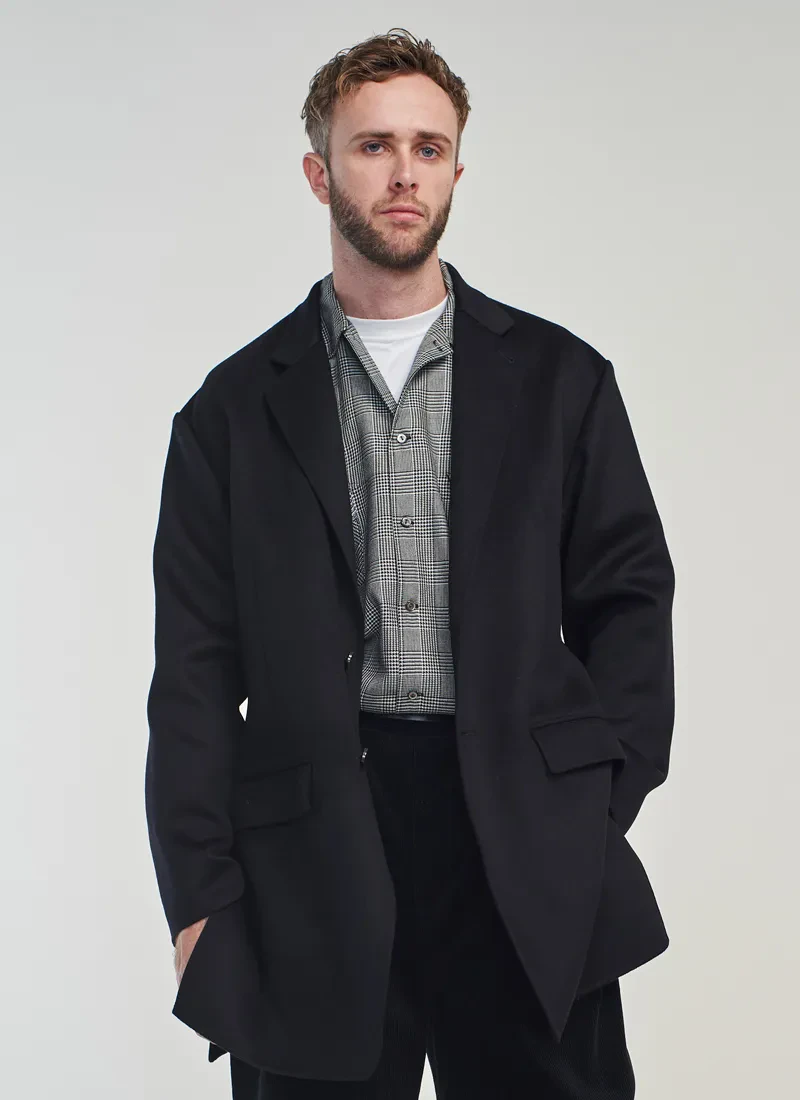
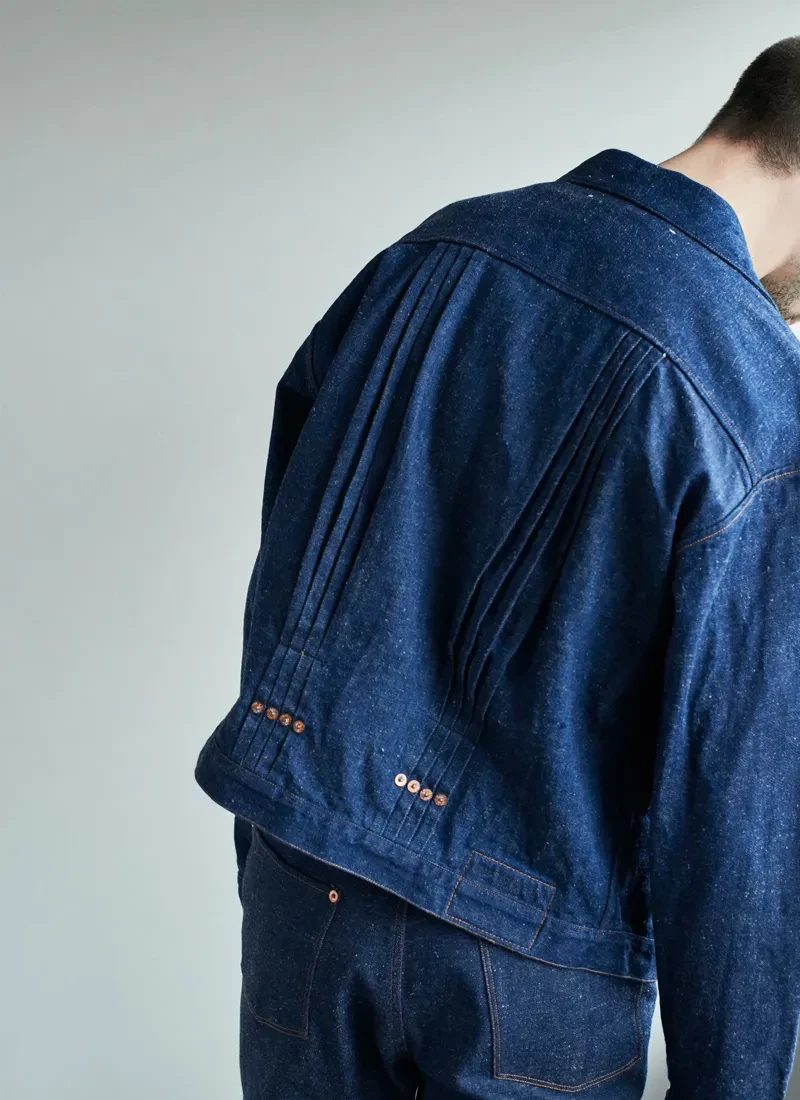
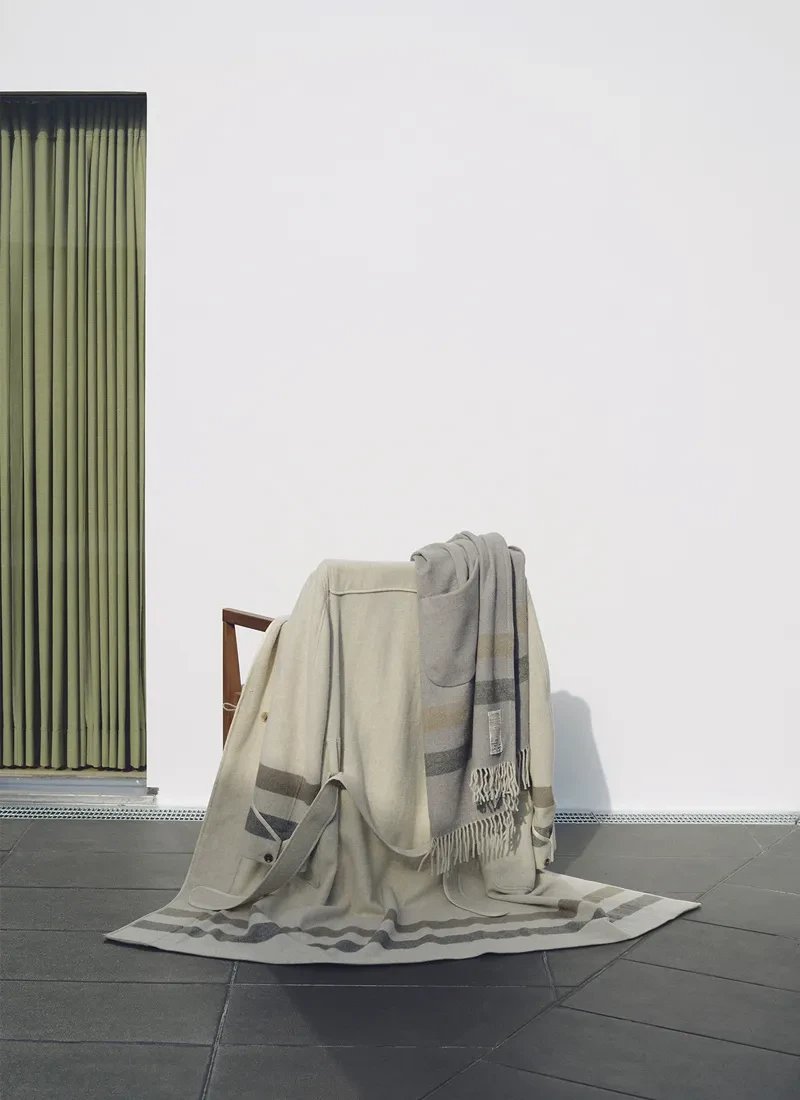
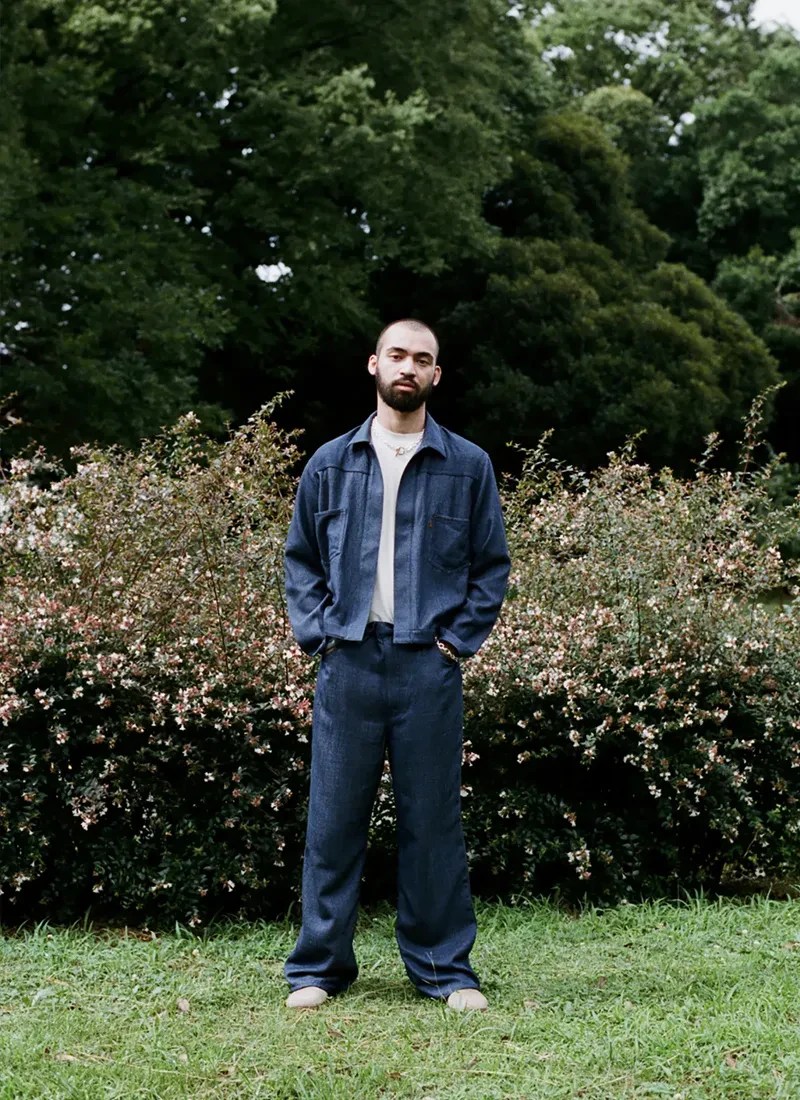
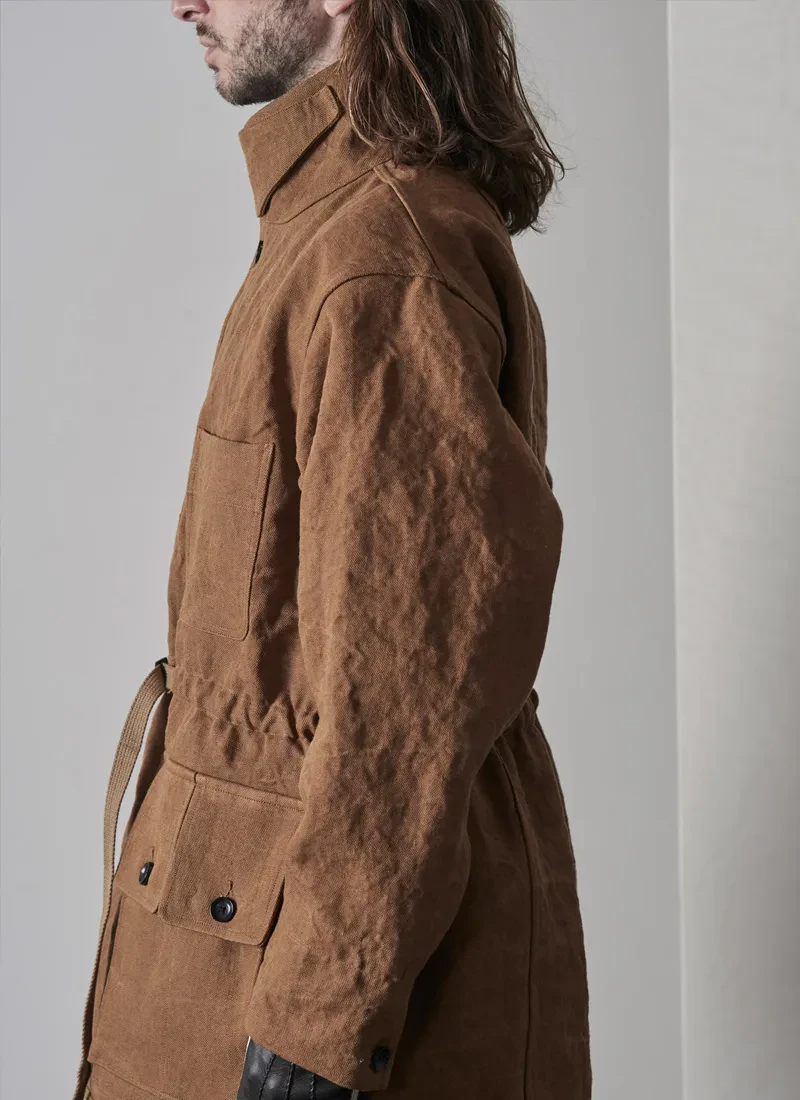
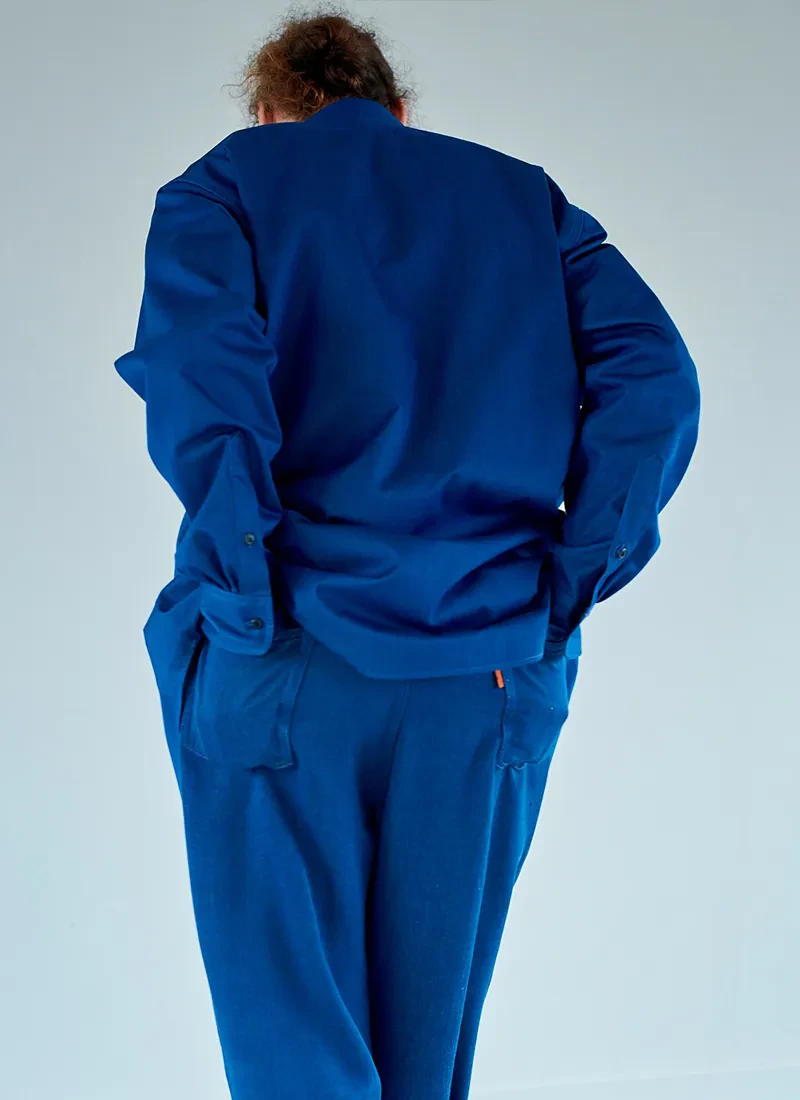
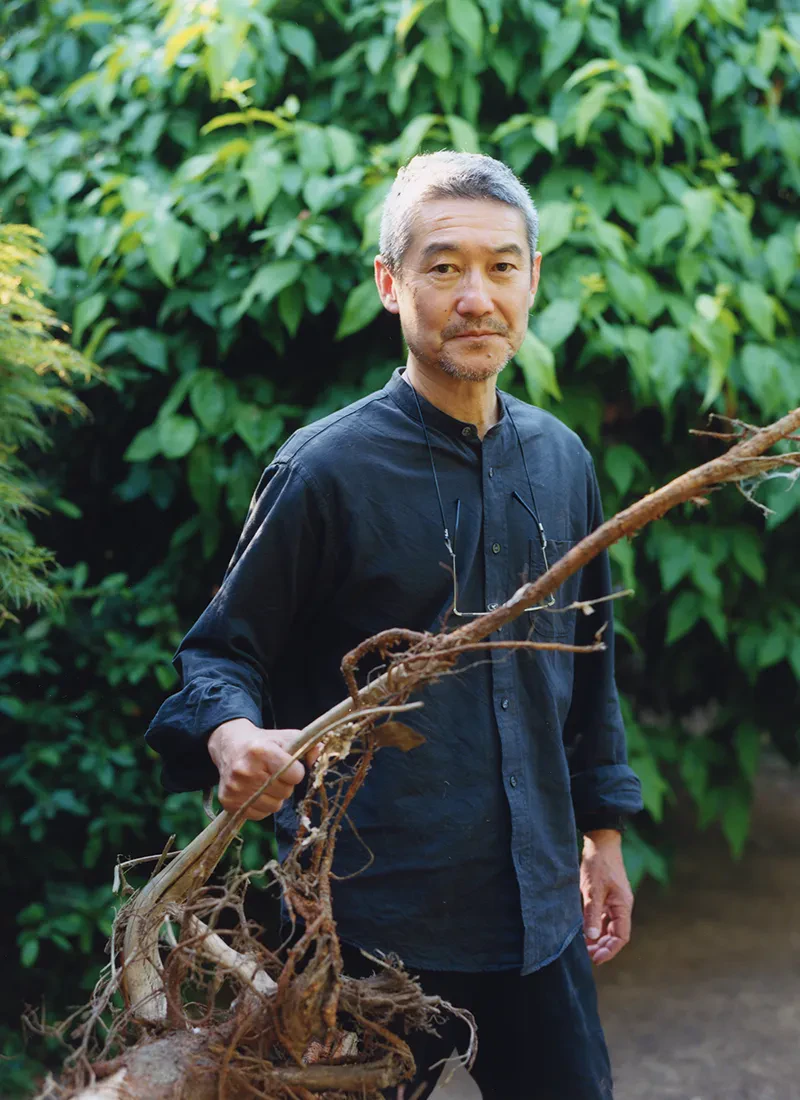

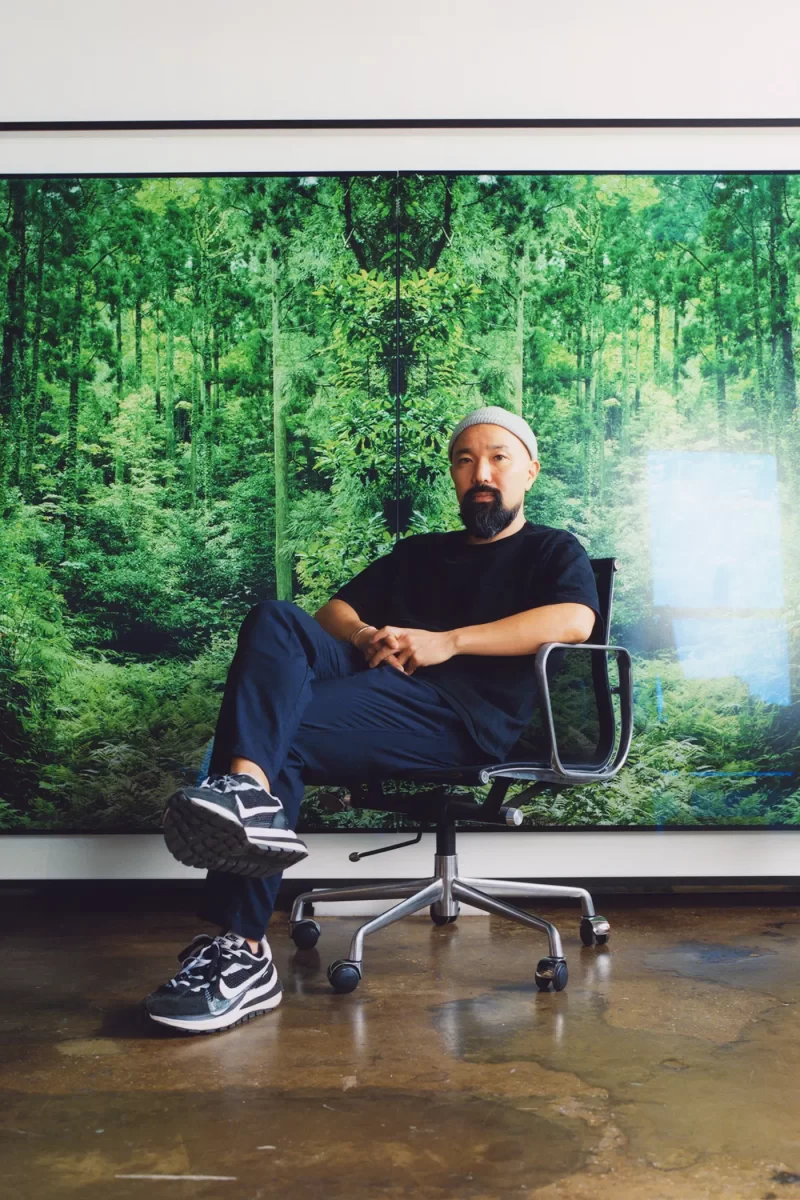
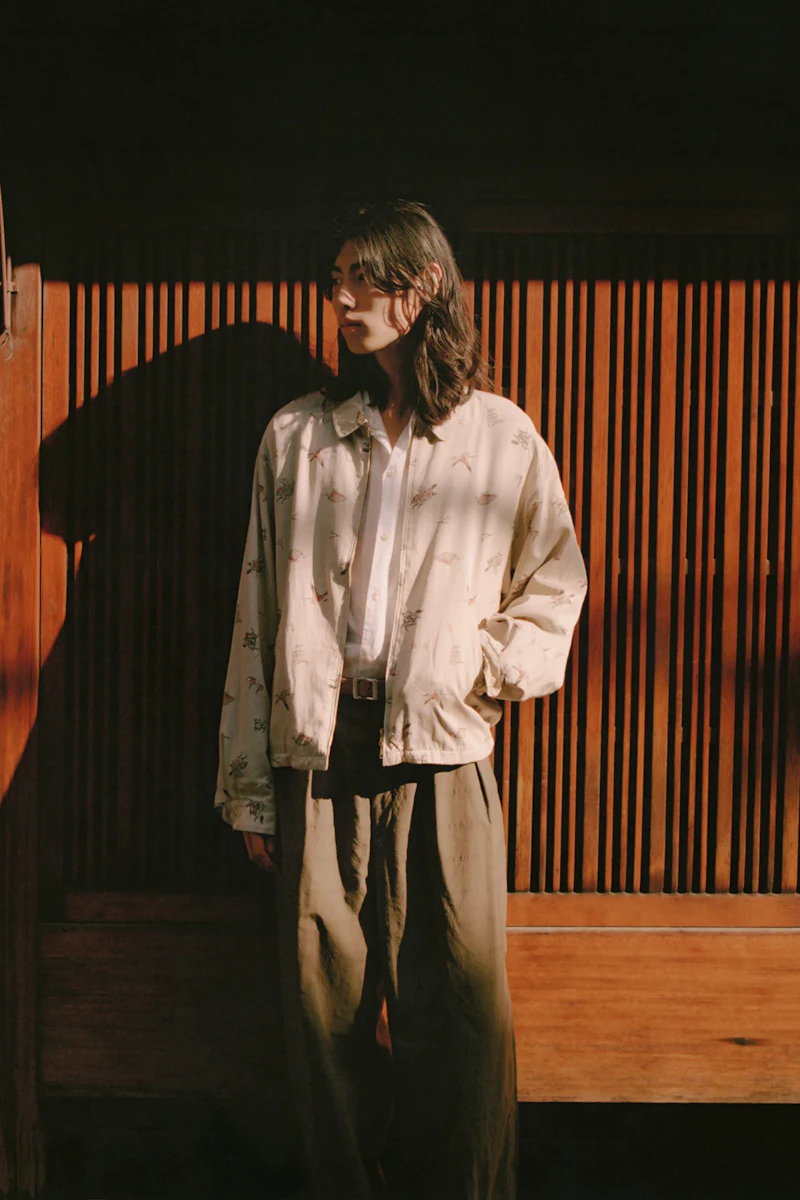

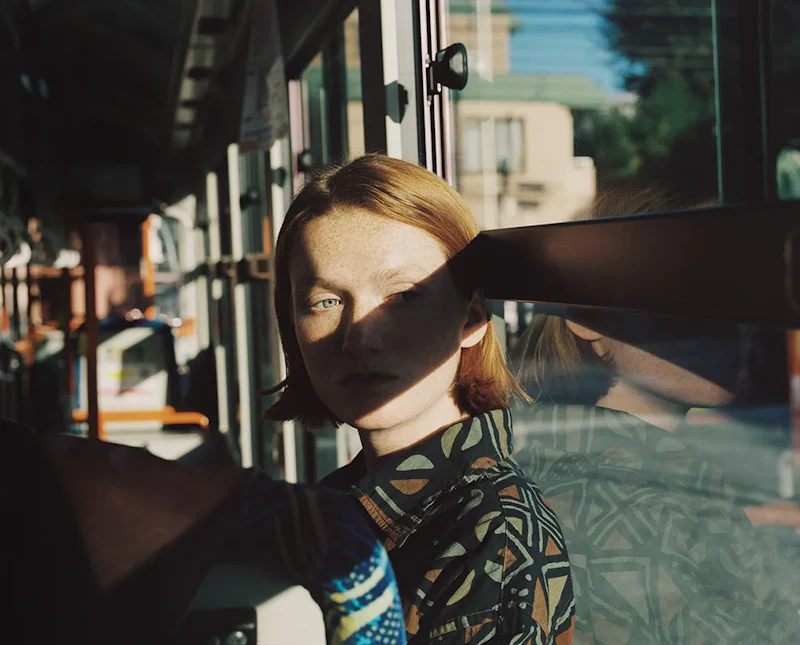
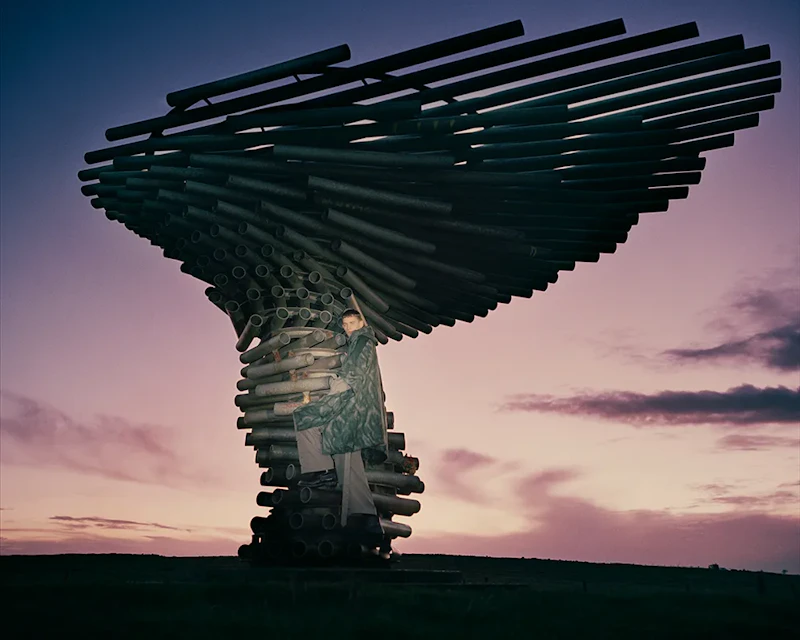
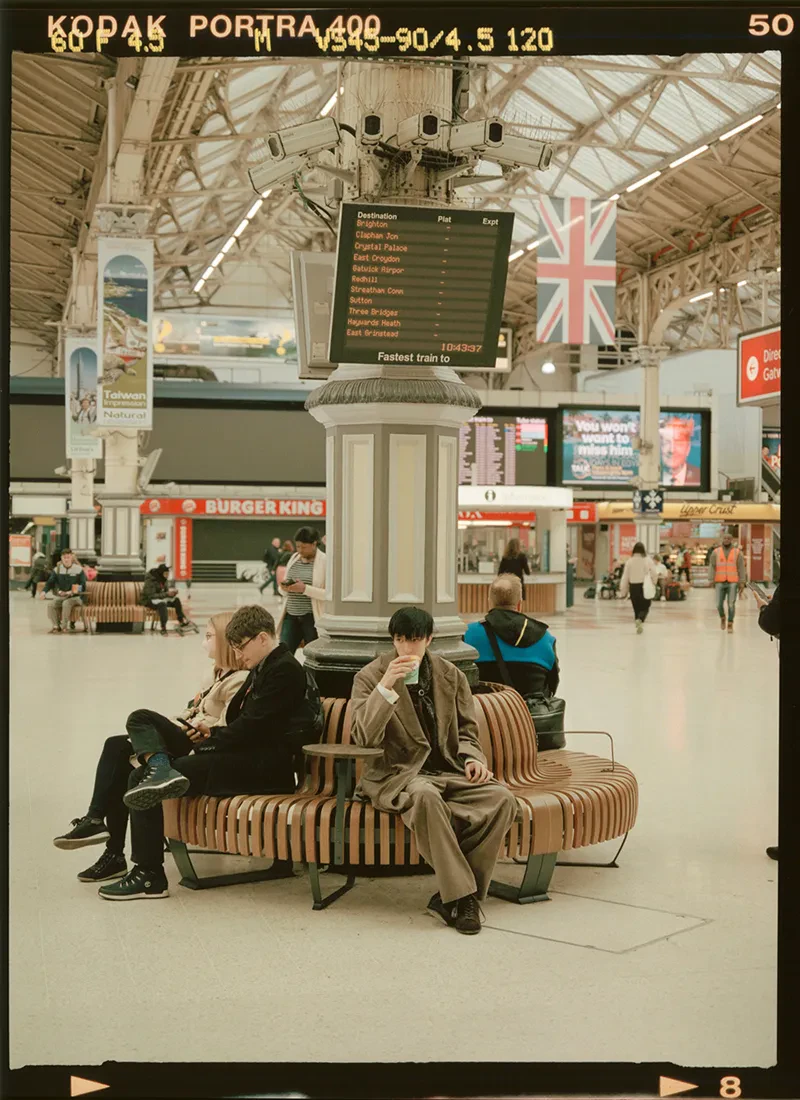
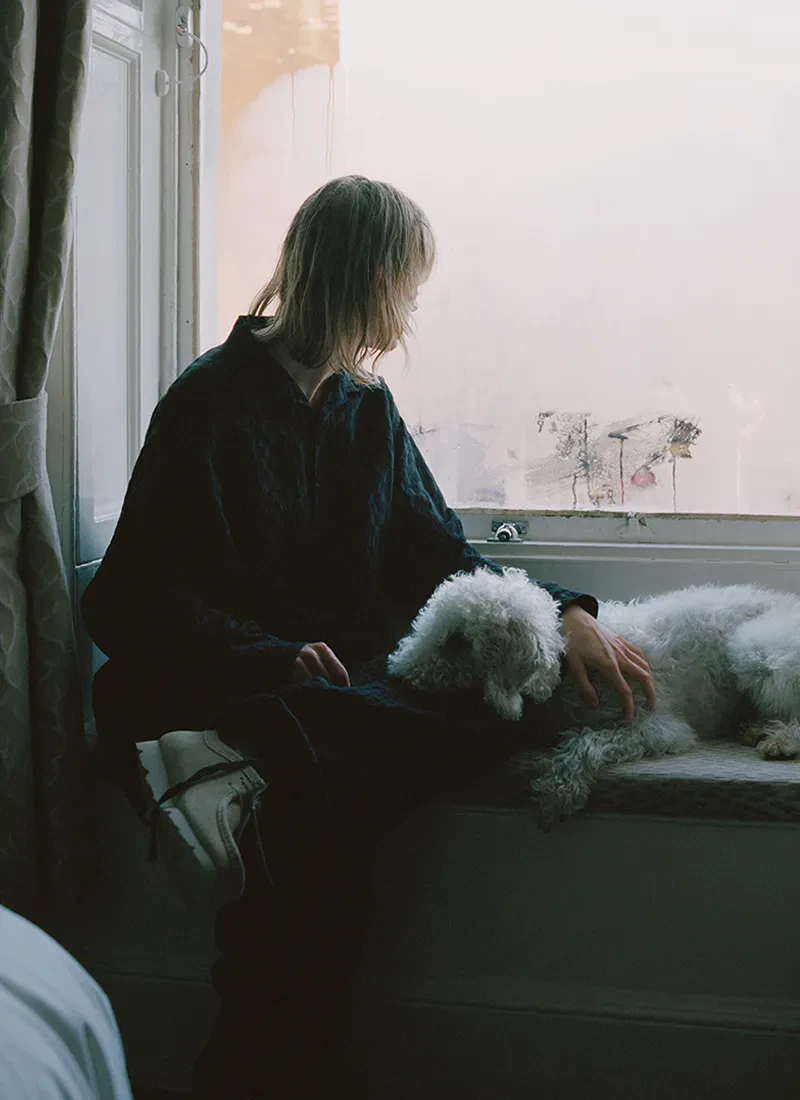
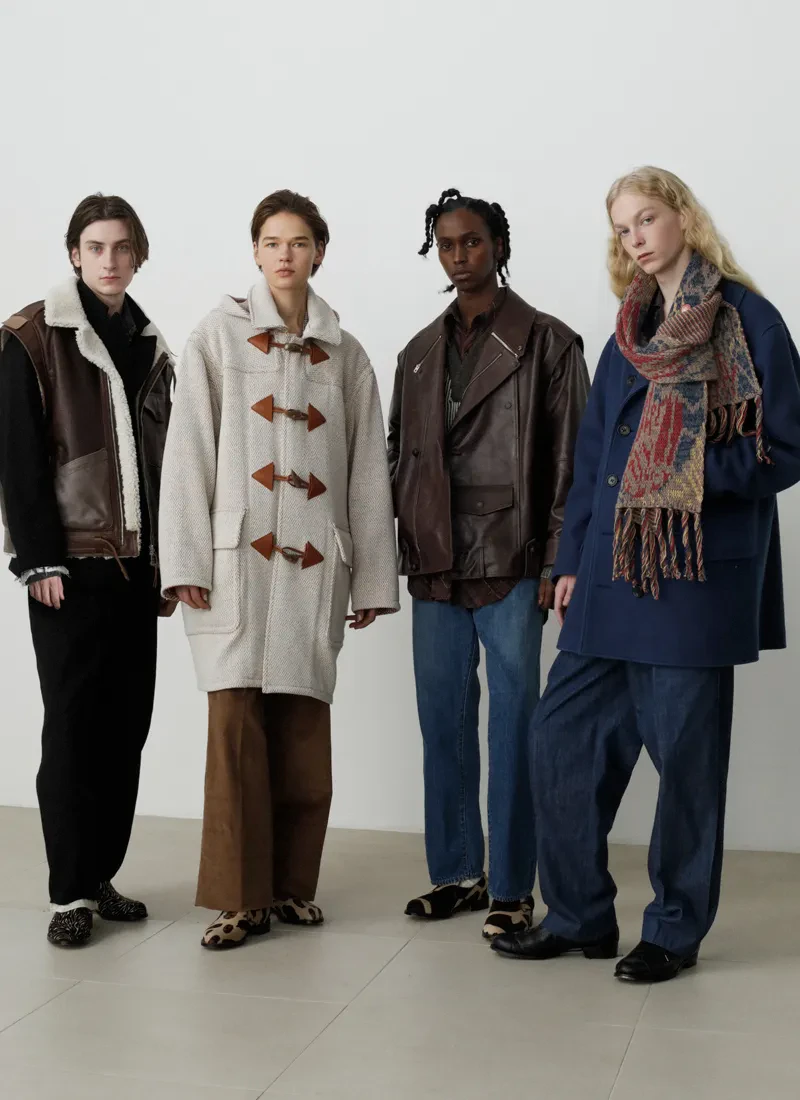




AUTUMN / WINTER 25

“Art is not the imitation of reality, but the power to make fiction true.”
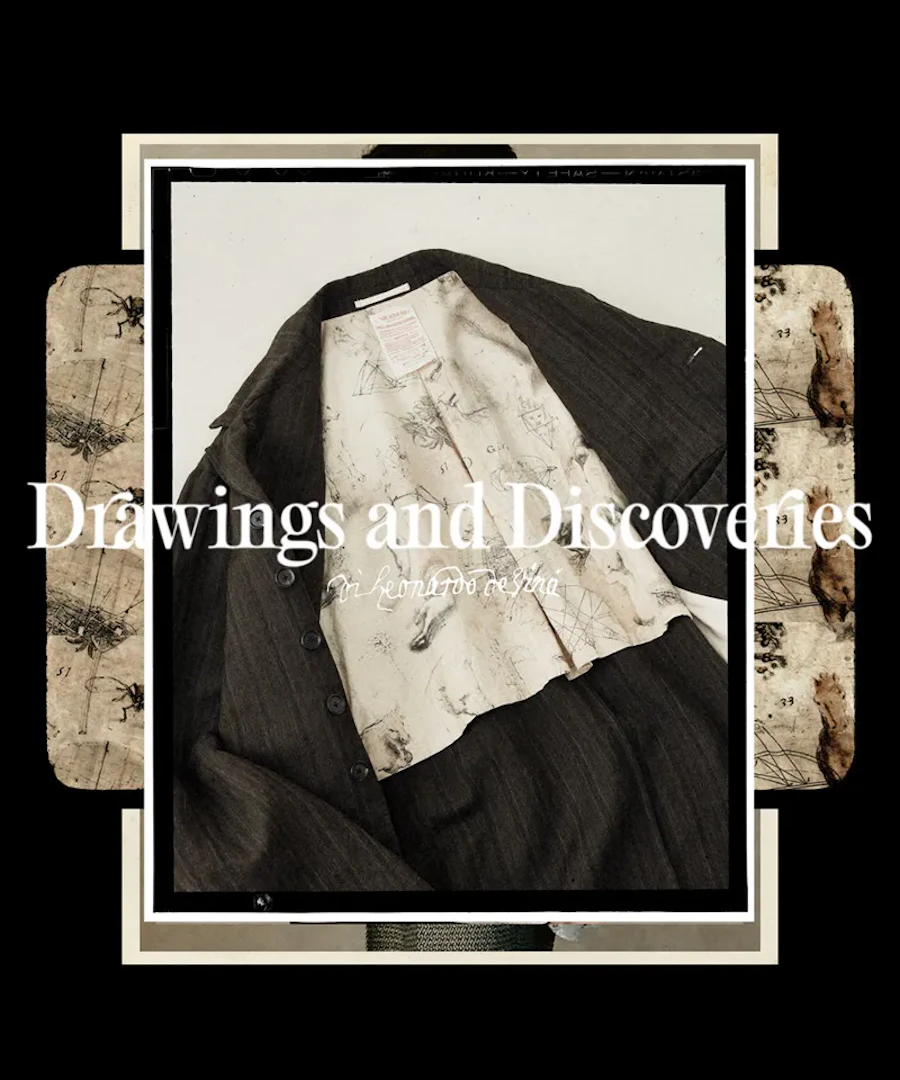
This phrase, found in a text interpreting the philosophy of Leonardo da Vinci, became the conceptual foundation for our AW25 collection.
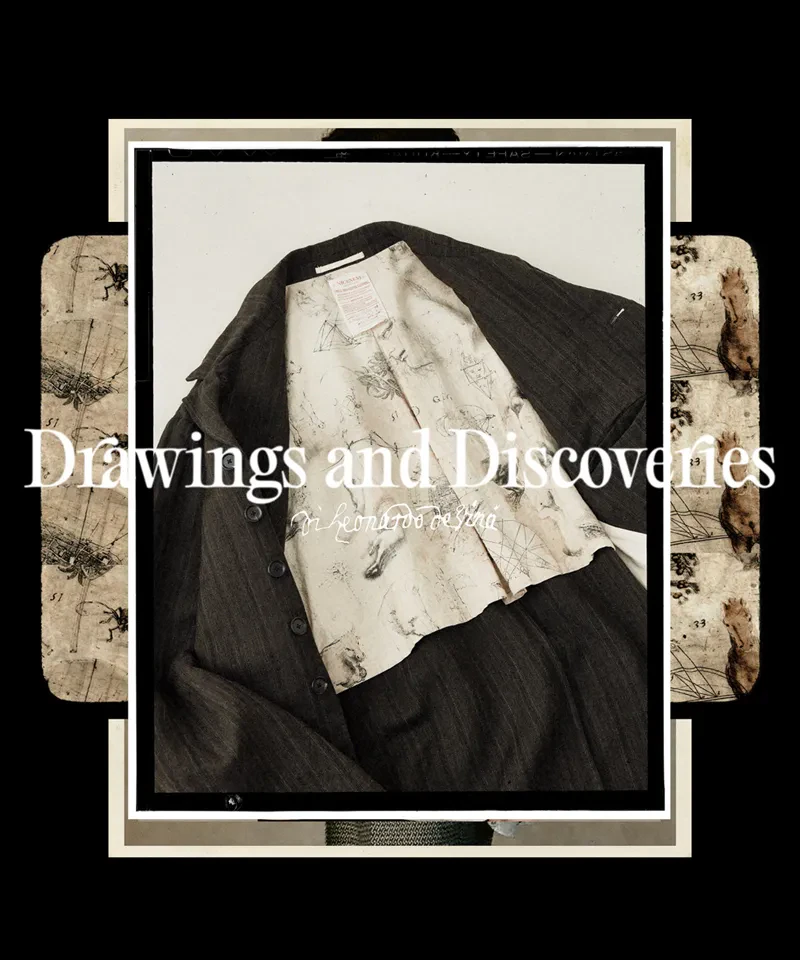
Da Vinci’s imagination was said to be so extraordinary that people joked he must have been from another planet. Yet perhaps he simply believed, without doubt, that what can be imagined by humans can one day become real—and that through art, new worlds can be constructed. Long before the Wright brothers built their first airplane, Leonardo had already sketched a flying machine. Centuries before drones, he envisioned aerial maps. His notebooks—filled with mysterious sketches whose meanings are still being deciphered—remain one of history’s most enduring archives of human imagination.


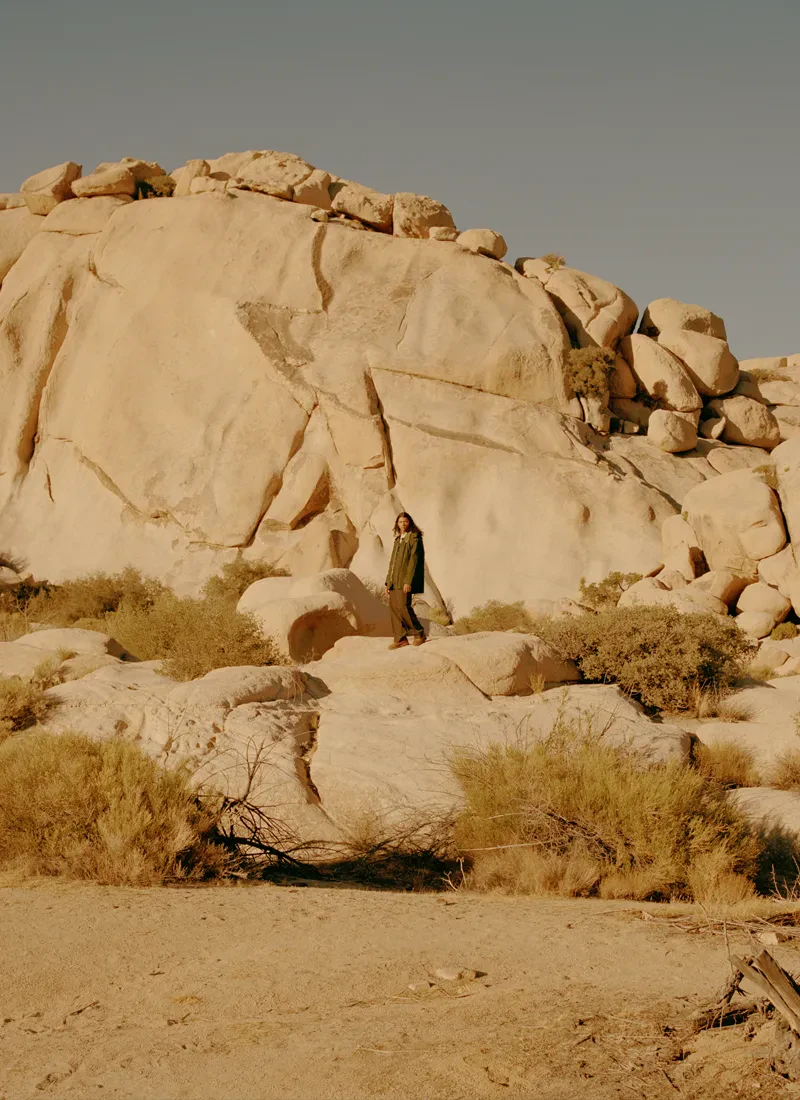
While developing this season’s collection, we found ourselves once again on American soil. During a road trip that began in downtown Los Angeles, Da Vinci’s ideas came to mind—particularly as we thought about Hollywood, a place where fiction itself becomes an industry. The deserts surrounding the city, the roads lined with faded signs, the echo of classic American music from the car stereo—all evoked scenes from the science fiction films we grew up watching.
There was a strange sense of dislocation—of not knowing whether the landscape before us was real or a reconstruction from memory. The America of our imagination and the America before our eyes overlapped and blurred, like layers of film exposed together. From that experience came the urge to paint such a world—one where fiction and reality, past and present, merge into a single frame.


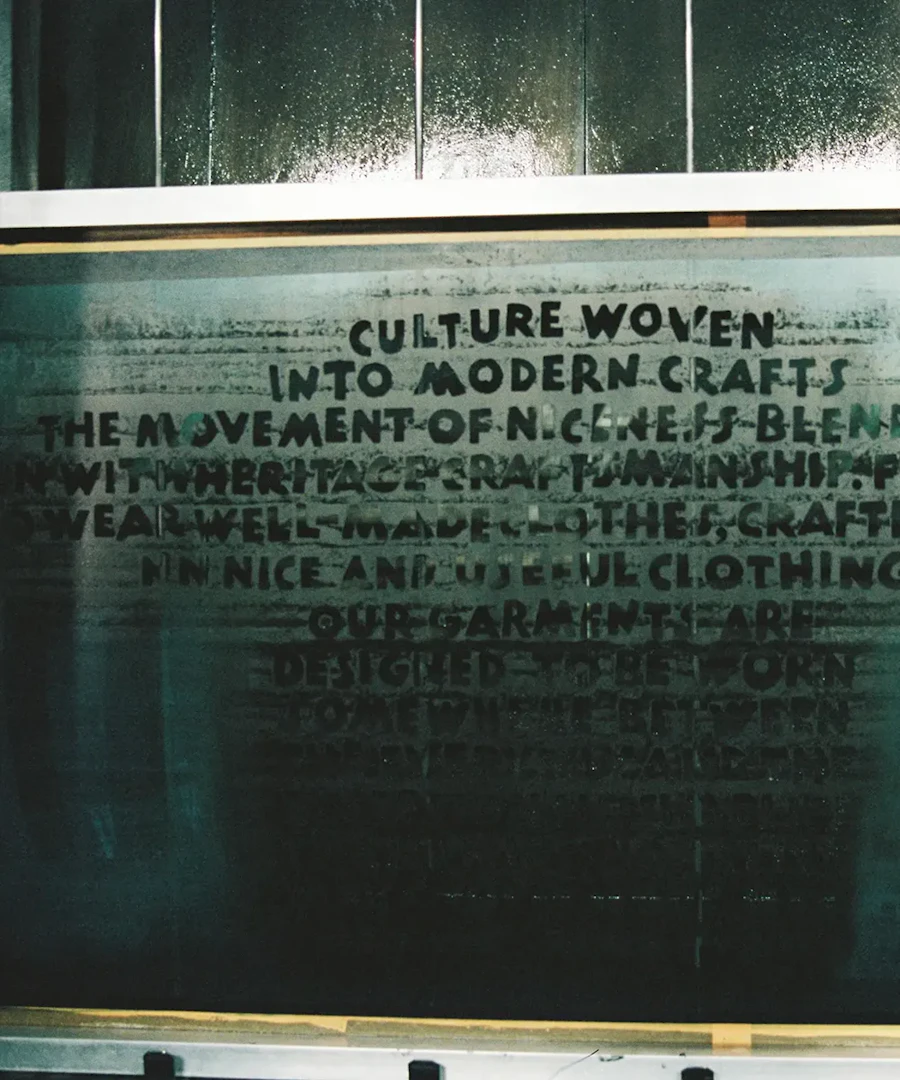
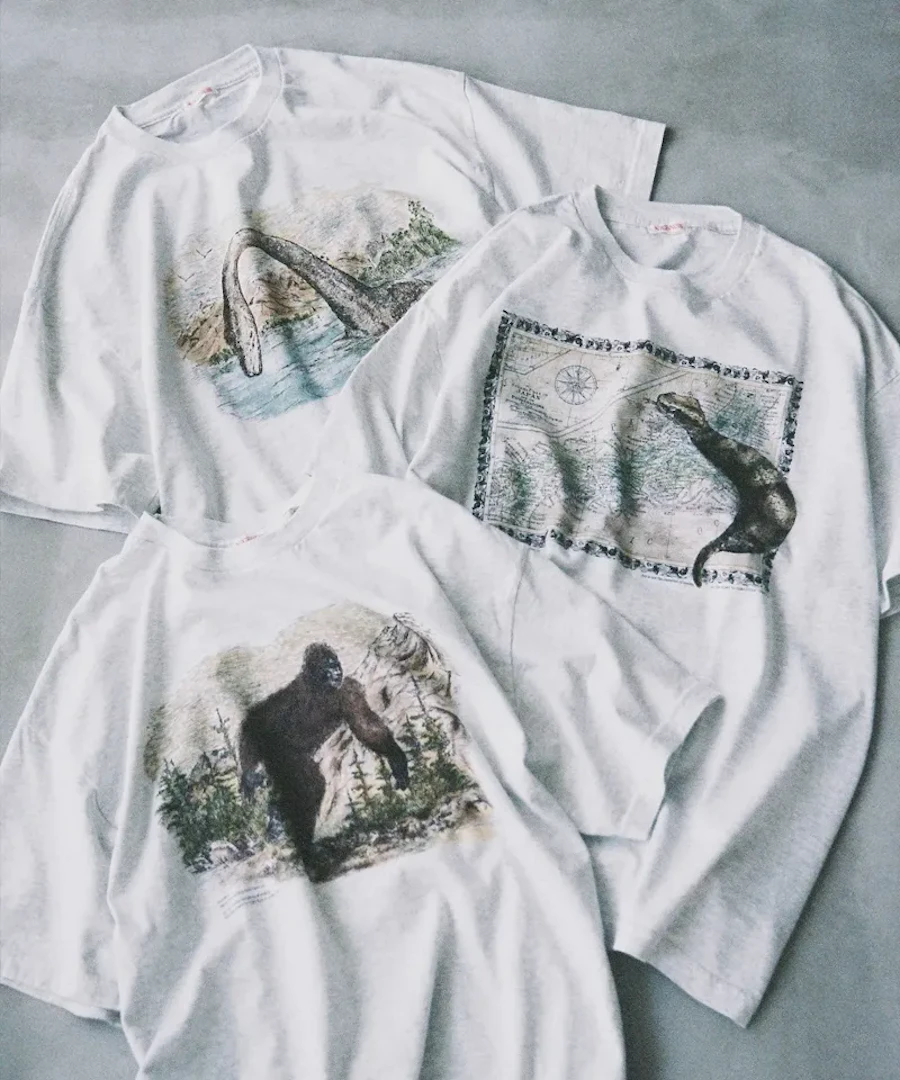
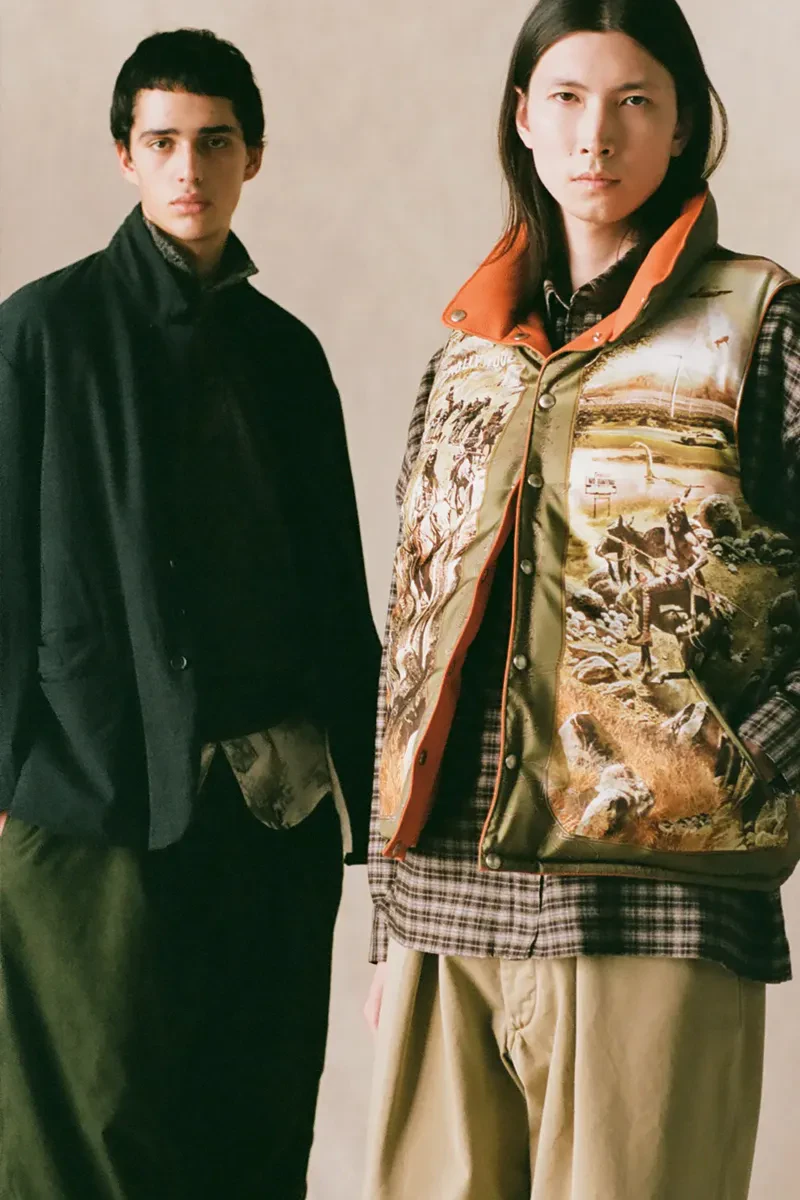
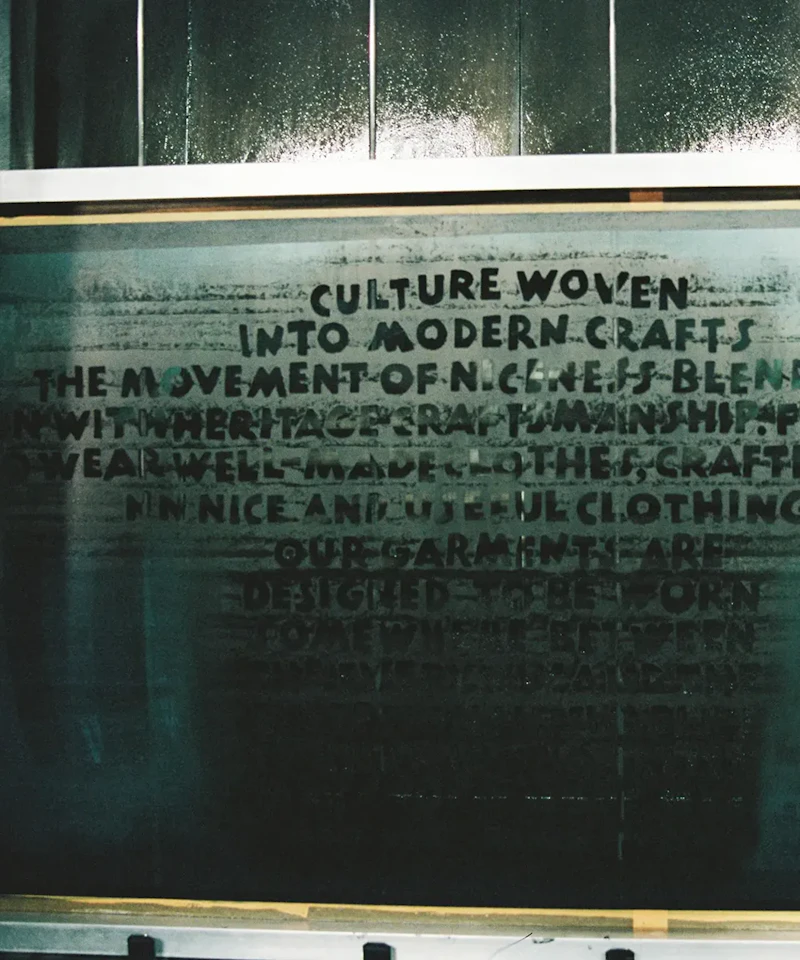
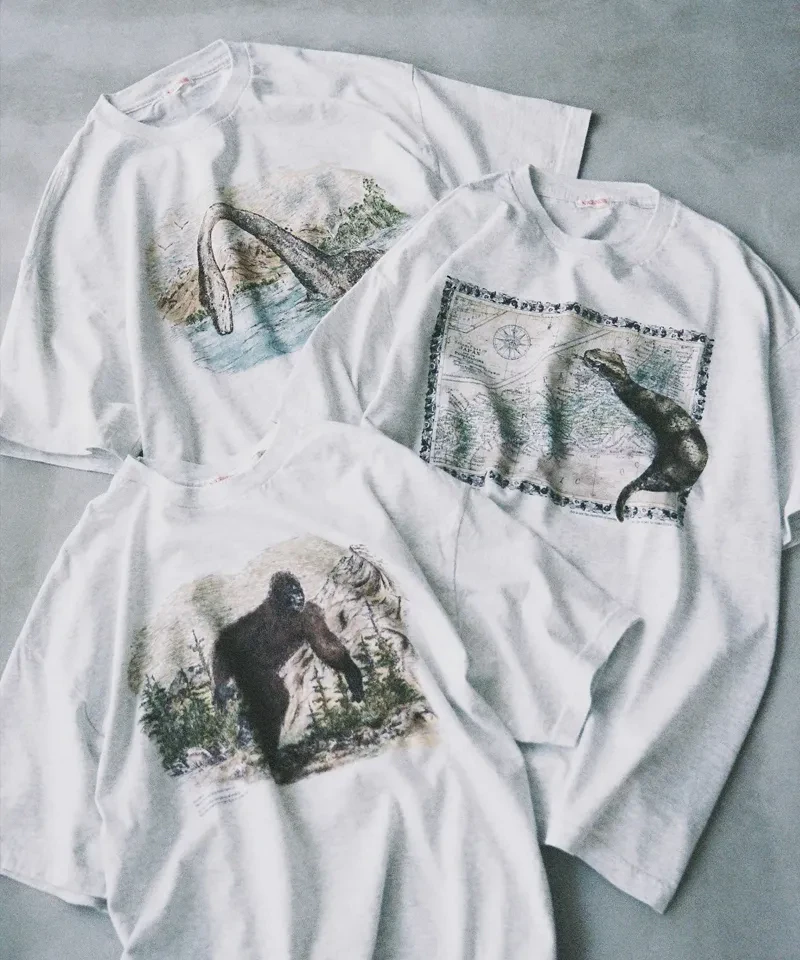
The artwork born from this journey depicts a joyful landscape where UMAs, UFOs, DeLoreans, and Teslas coexist—a place where the fantastical and the real intertwine. To express this world, we chose silk-screen printing. Inkjet printing could have reproduced the image flawlessly, but we wanted something more unpredictable—colors that don’t quite exist, accidents that can’t be planned. Layer by layer, we built the print using traditional screens, embracing the imperfections and surprises that only human hands can produce. Just as early science fiction films found magic in experimentation long before digital effects, this analog process captures a kind of timeless wonder.


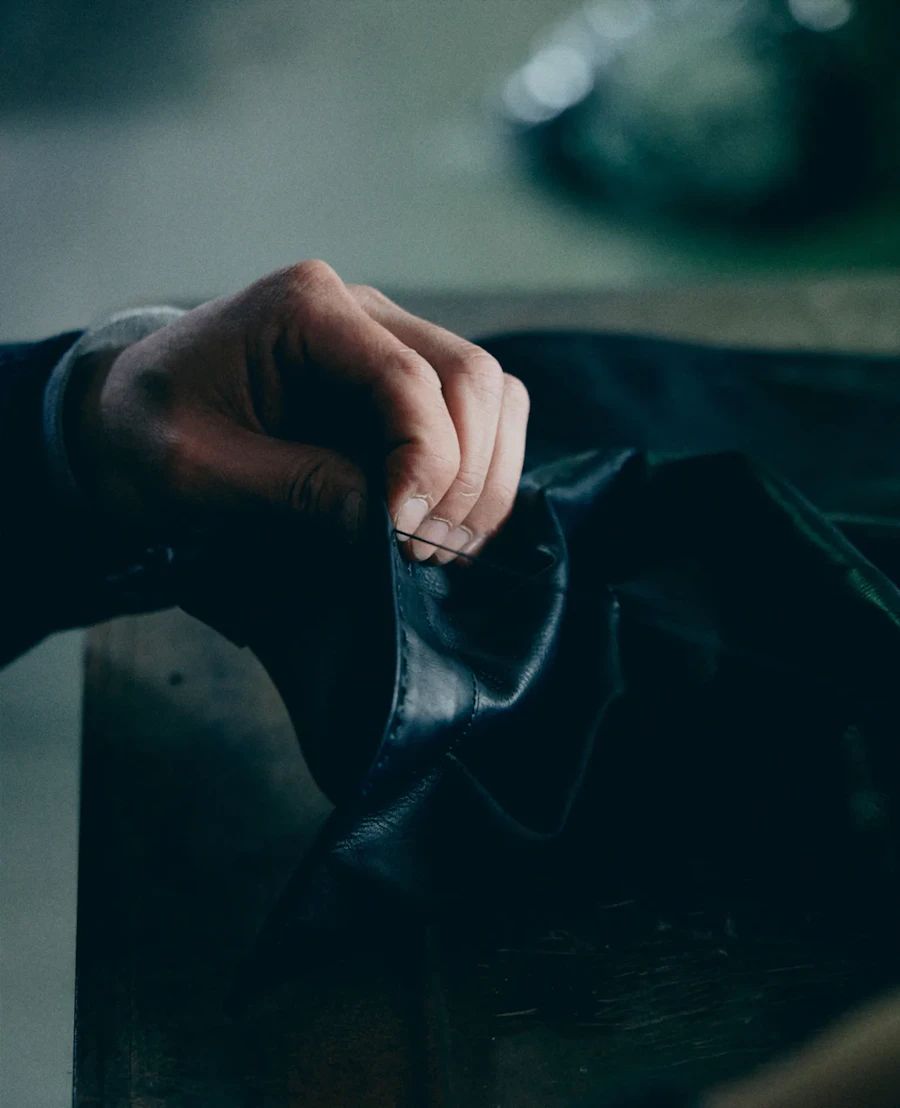
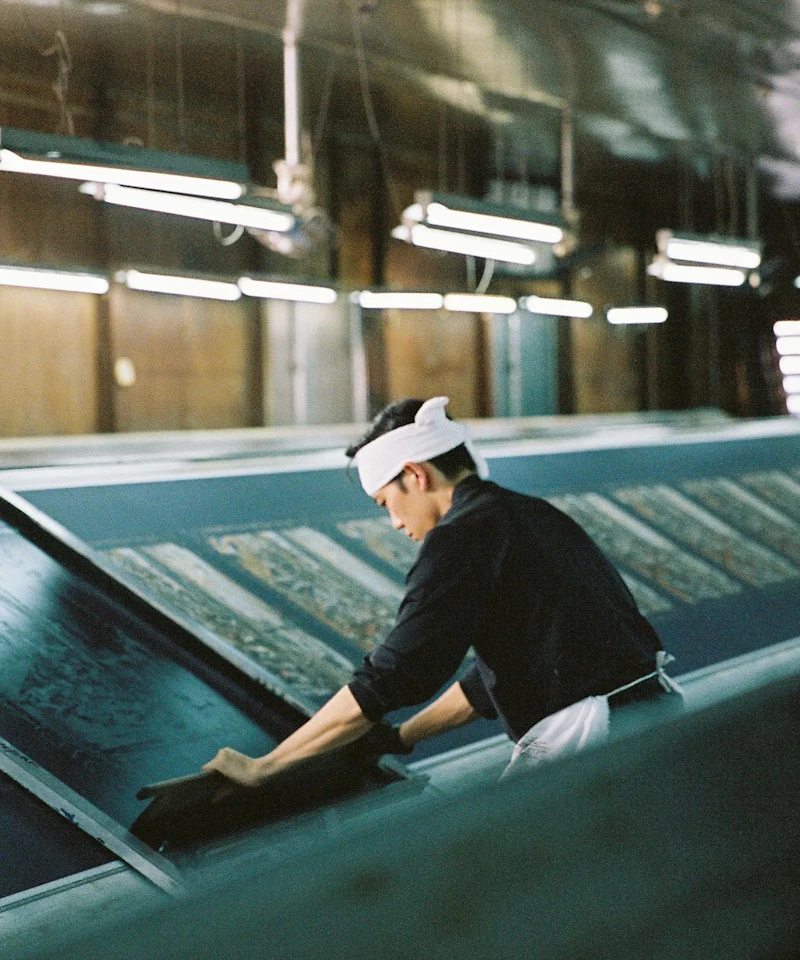
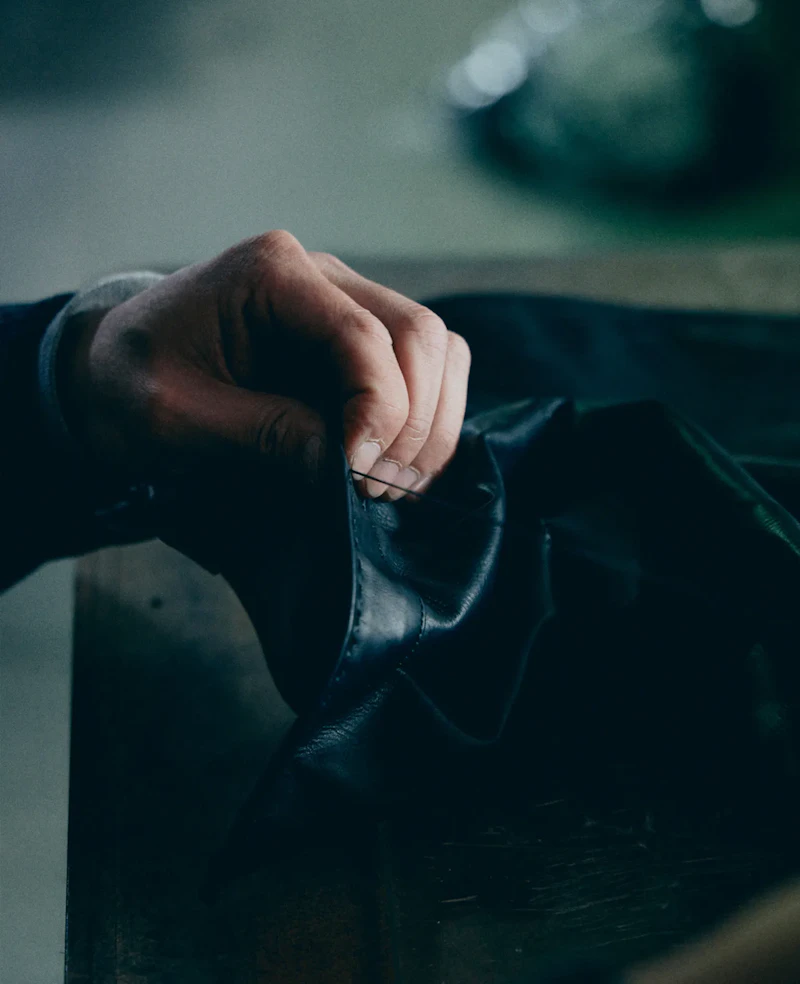
To bring the print to life, we worked with a silk-screen artisan. Alone in his studio, he stood before a massive frame, applying color after color in focused silence. Thirteen separate screens, each carefully layered according to the day’s humidity, temperature, and light. The work must be completed within the day; any pause would alter the tone, the balance, the emotion of the colors. Watching this process unfold deepened our attachment to the piece.
In an age dominated by the digital, the value of what is made by hand only grows stronger. The delicate, time-consuming process of silk-screening—and the imagined world it gives form to—exist as a quiet resistance against uniformity. If this analog craft, combined with our vision of fiction and reality, can inspire the imagination and creativity of those who encounter it in the future, then it will have fulfilled its purpose.


Episode