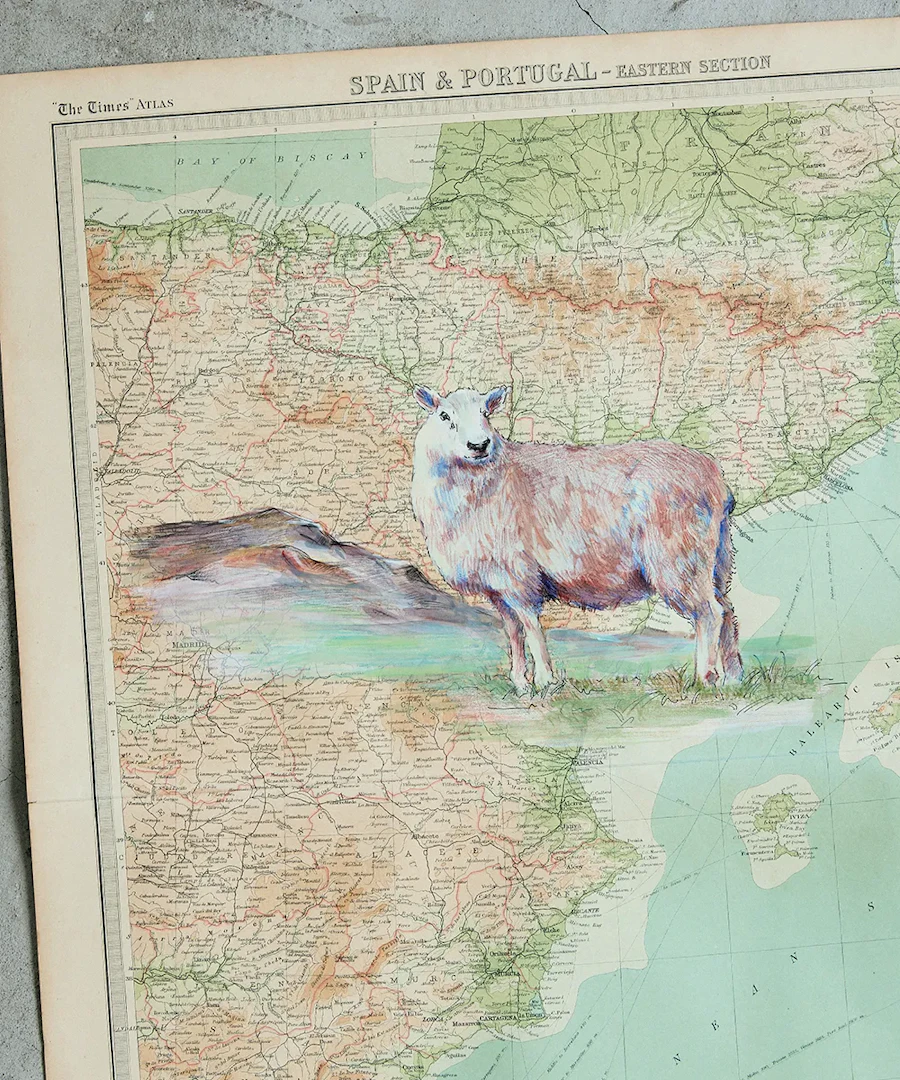
AUTUMN / WINTER 26
Exactly fifty years ago, on September 20–21, 1976, the 100 Club on London’s Oxford Street hosted the Punk Festival. Sex Pistols, The Clash, and The Damned—still relatively unknown at the time—shared the same stage, and young people across Britain found themselves captivated by a set of values unlike anything they had seen before.
“Anarchy in the U.K.”
To the punk movement, “anarchy” was never simply about rebelling against society. It was an attitude—a willingness to step outside values that had already been laid out for you. If Malcolm McLaren were alive today, what would he be pushing against? Probably not the state. Not authority. My guess is that it would be the algorithm.
Whether we notice it or not, we now live inside algorithms. Music is selected according to our taste. Films, books, even clothes appear on our screens as “recommended for you.” Life has become more convenient, but opportunities to encounter something we would never have chosen ourselves seem to grow fewer each year. This is not to dismiss algorithms—I benefit from them every day. Yet new culture has always emerged from somewhere just beyond their reach.
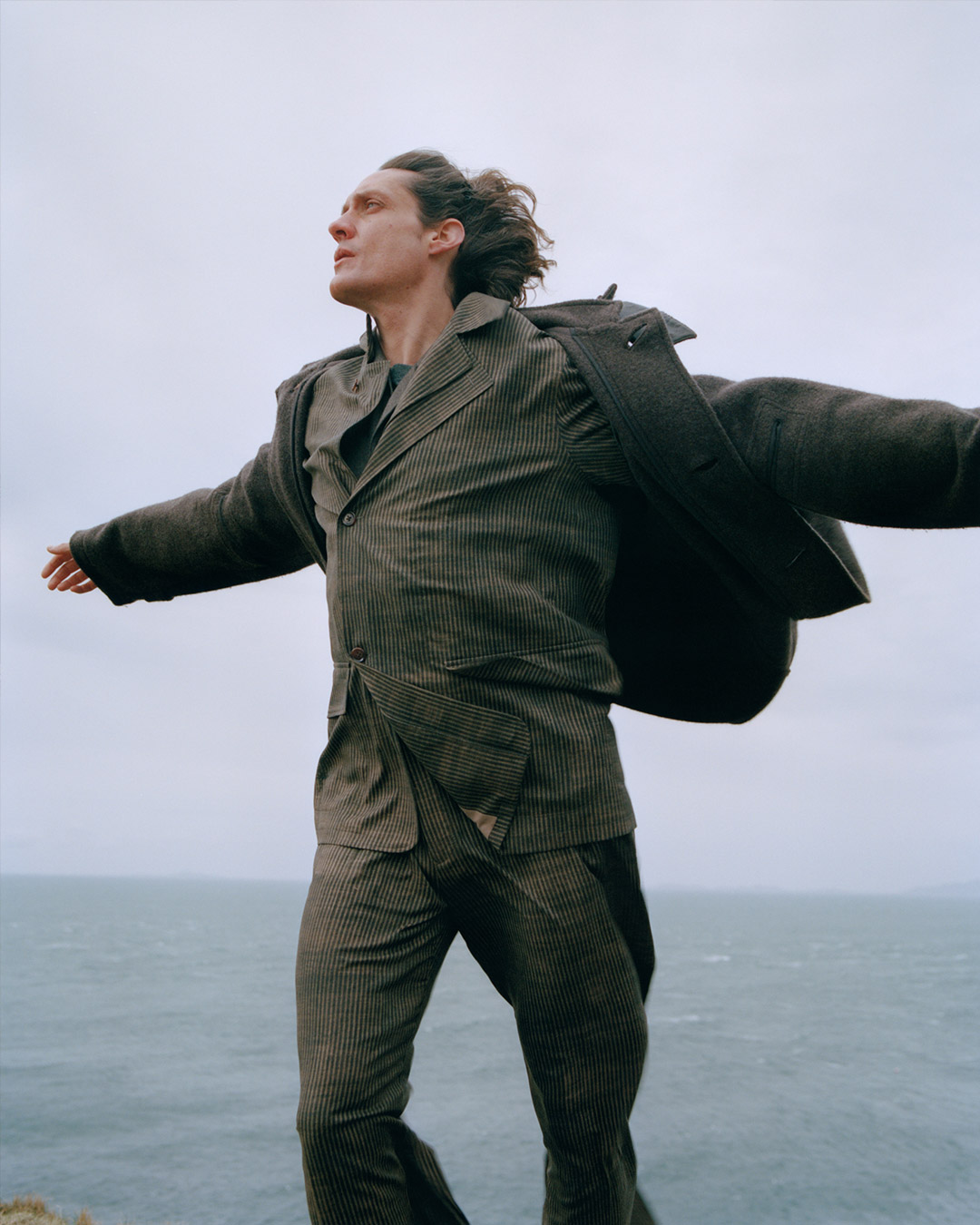

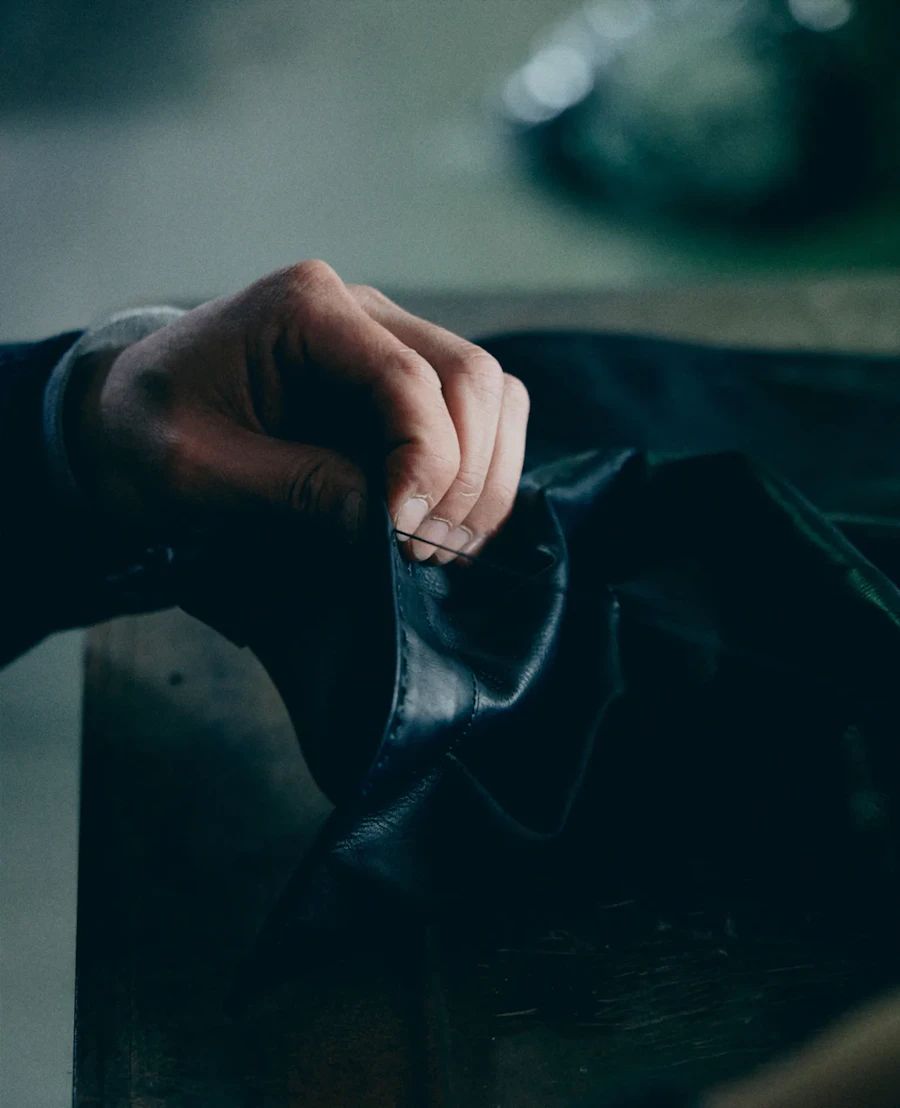
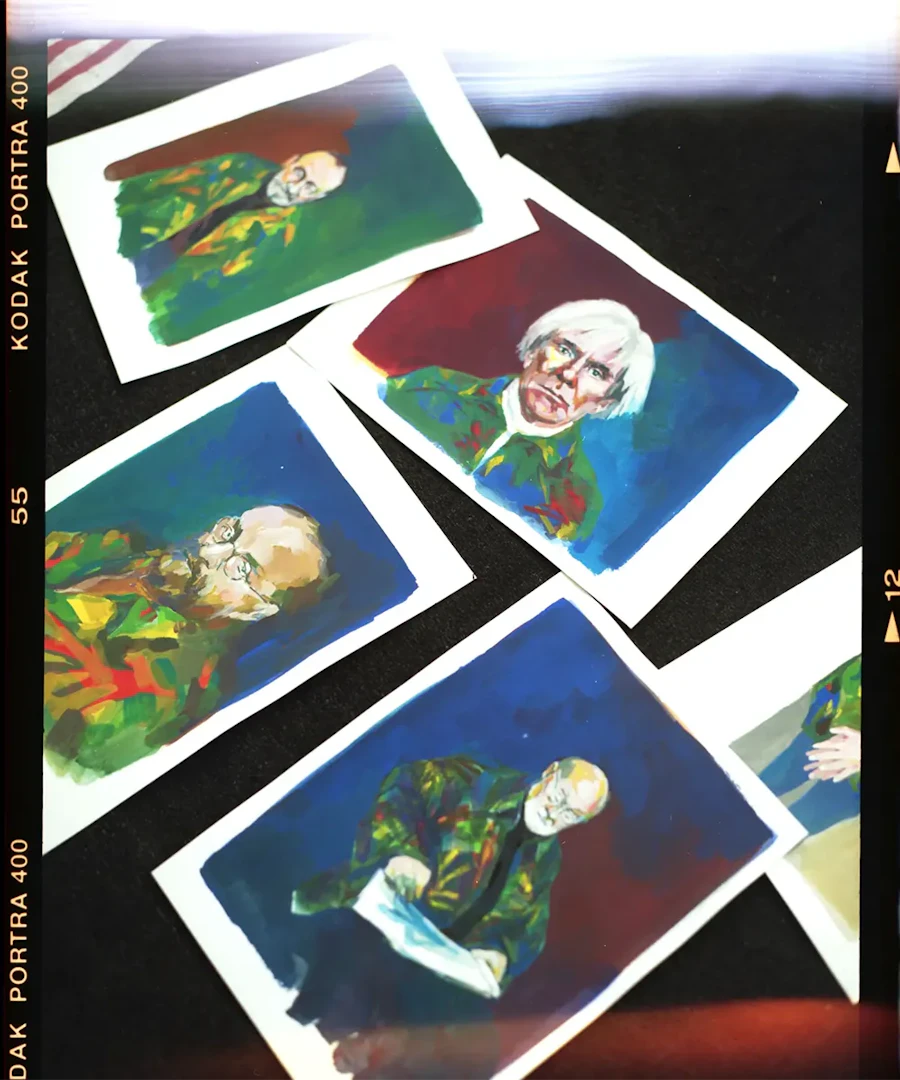
What made Malcolm McLaren fascinating was not that he created new clothes. It was that he rewrote the meanings clothes already carried. Workwear made for labourers, knitwear rooted in British tradition, the formality of tailored clothing—garments shaped by different histories and different purposes were deliberately brought together on the same body. In doing so, clothing was released from the contexts it had originally belonged to and given entirely new meanings.
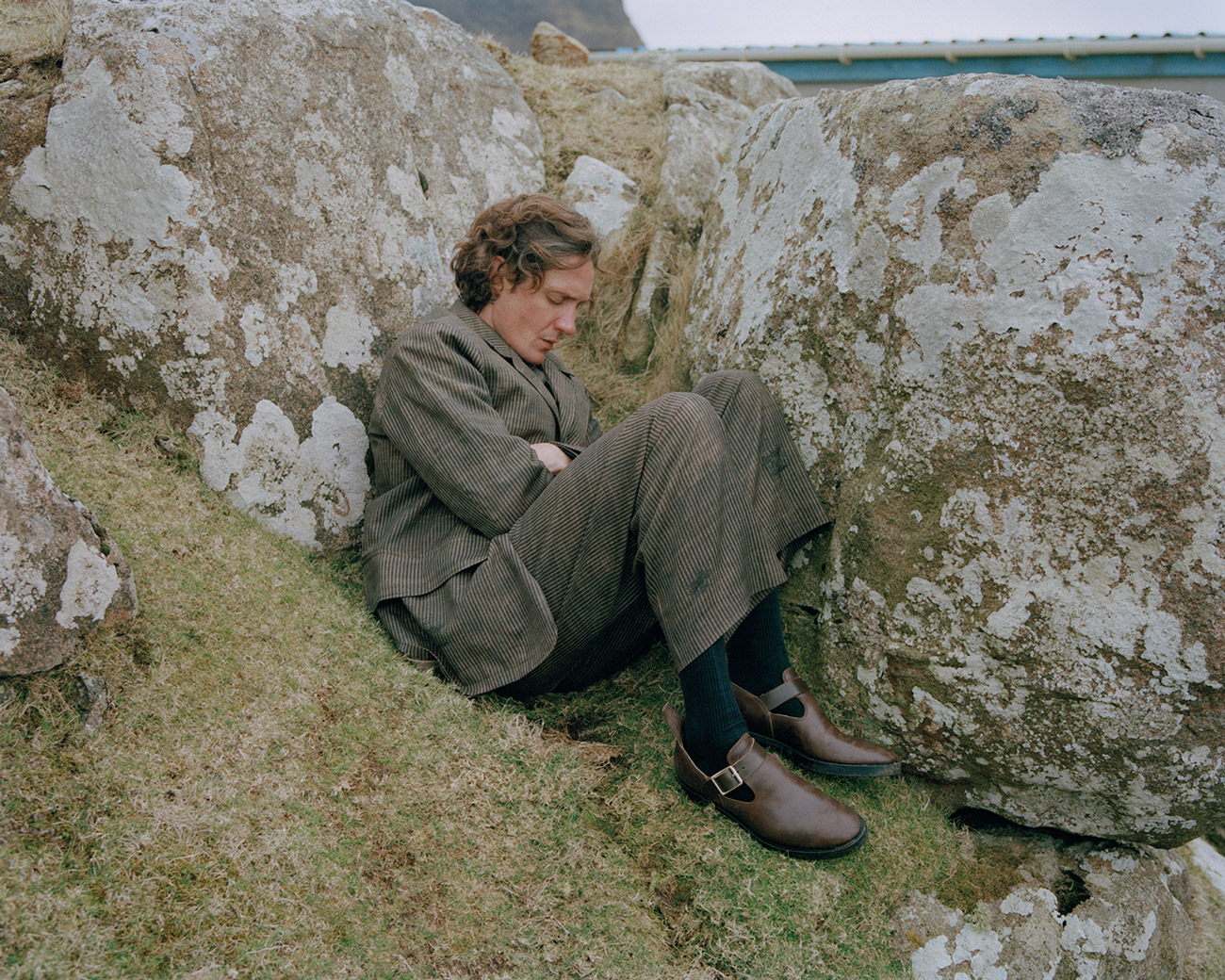
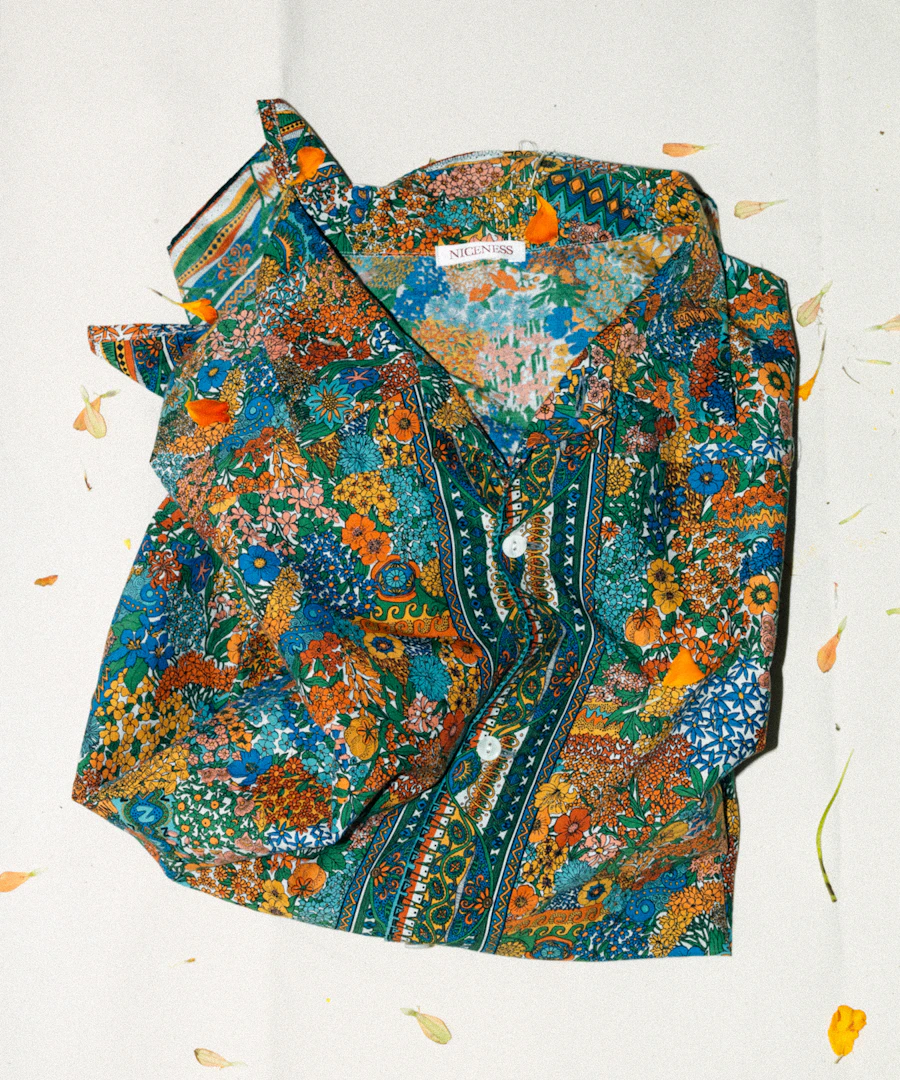
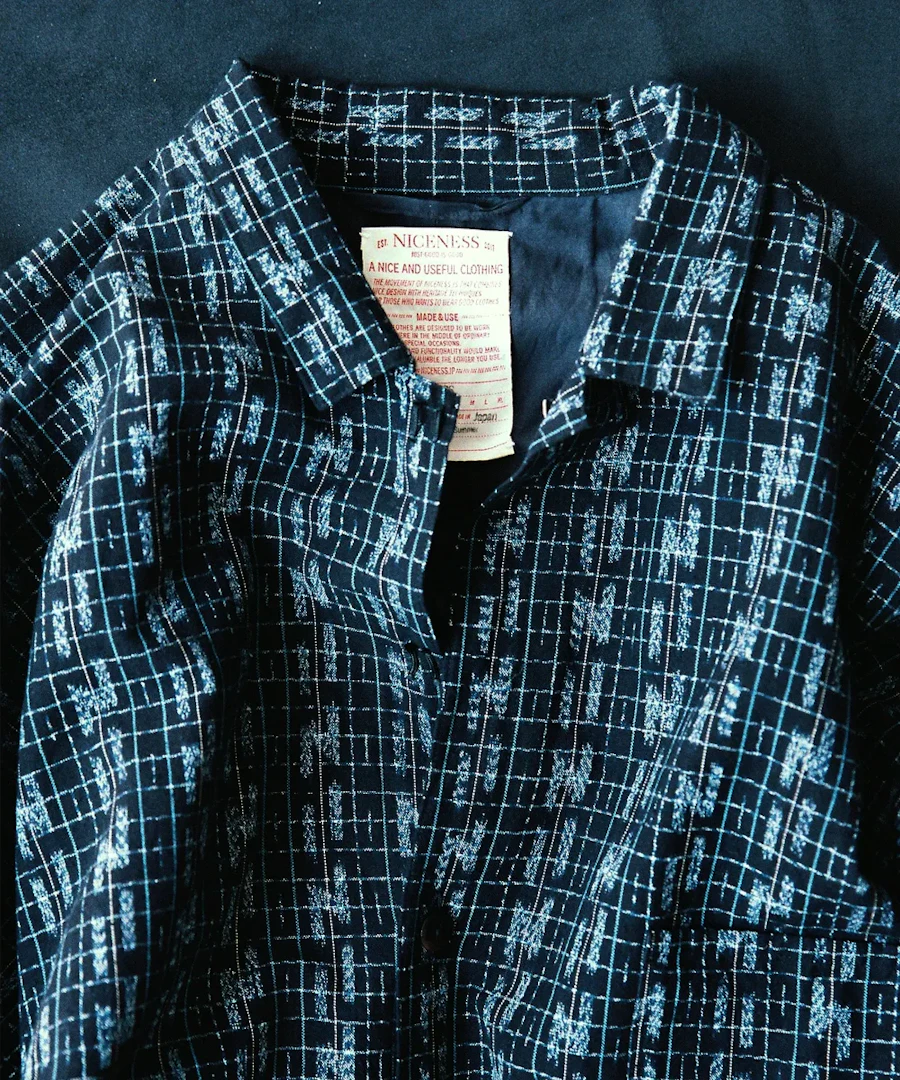
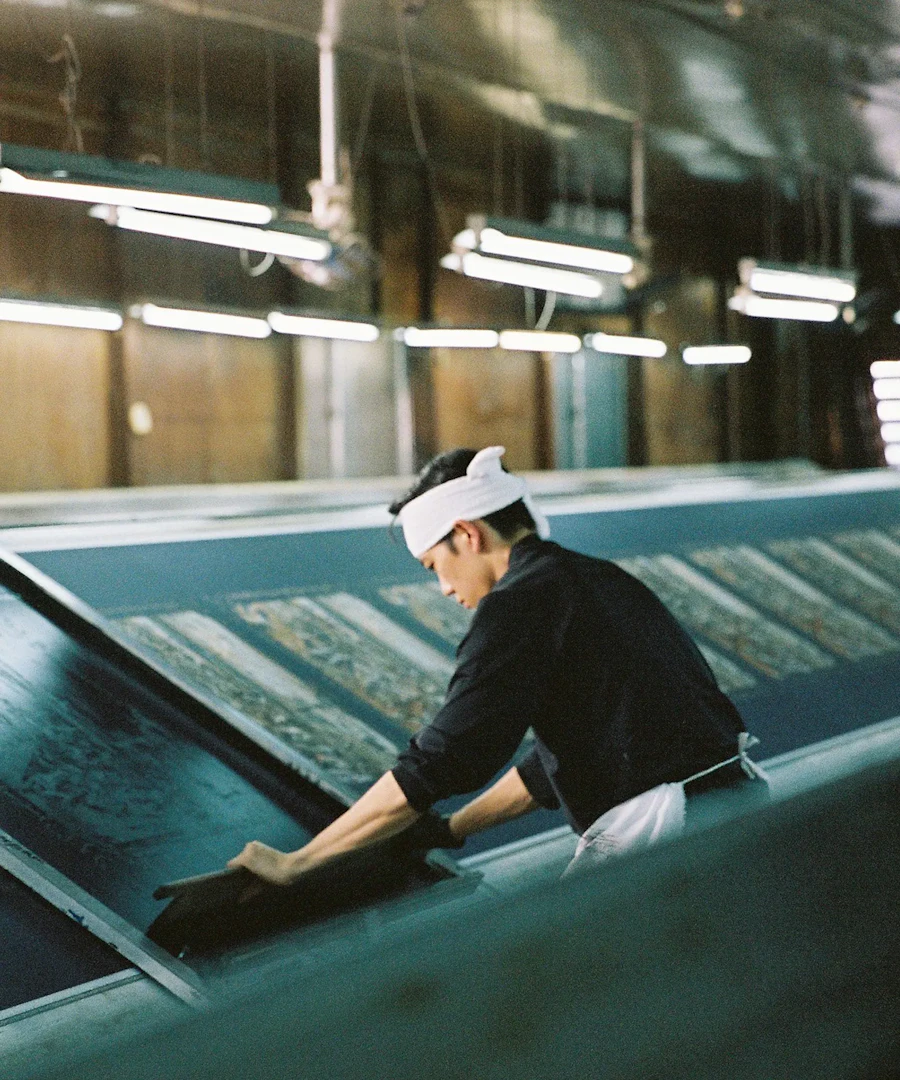
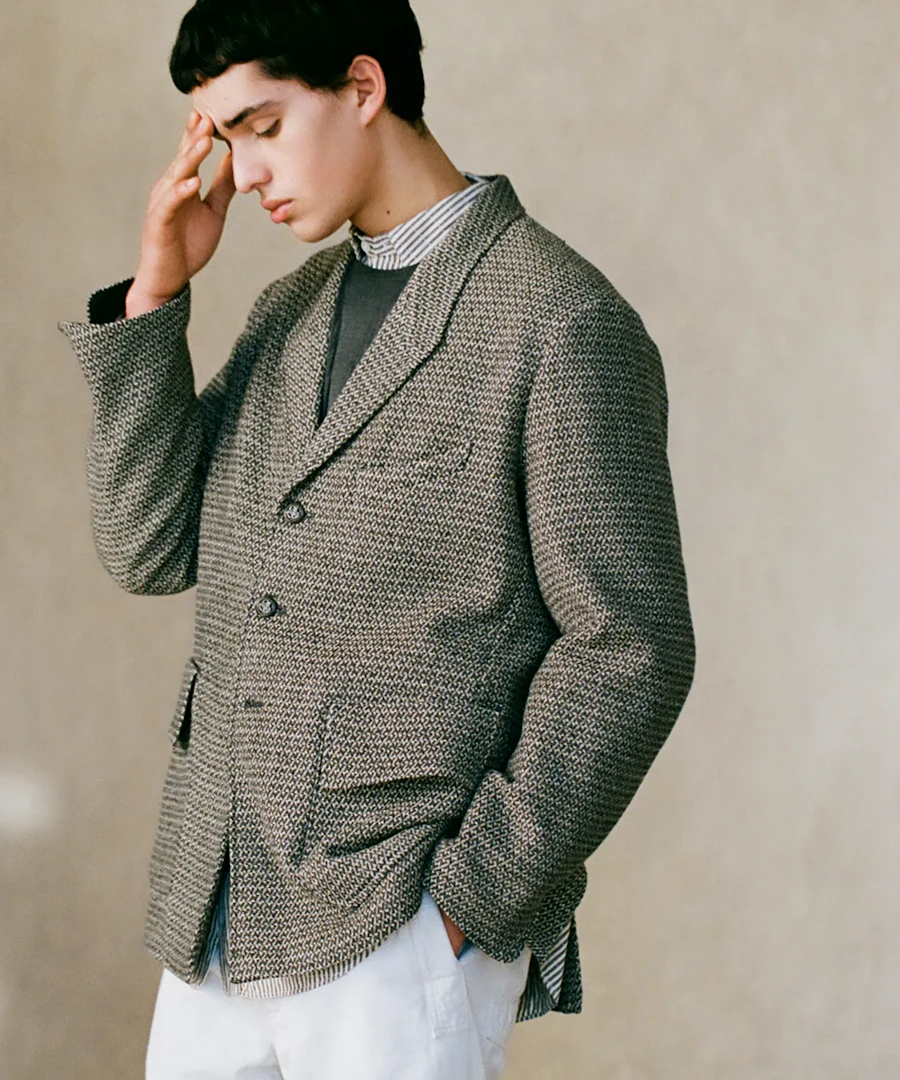
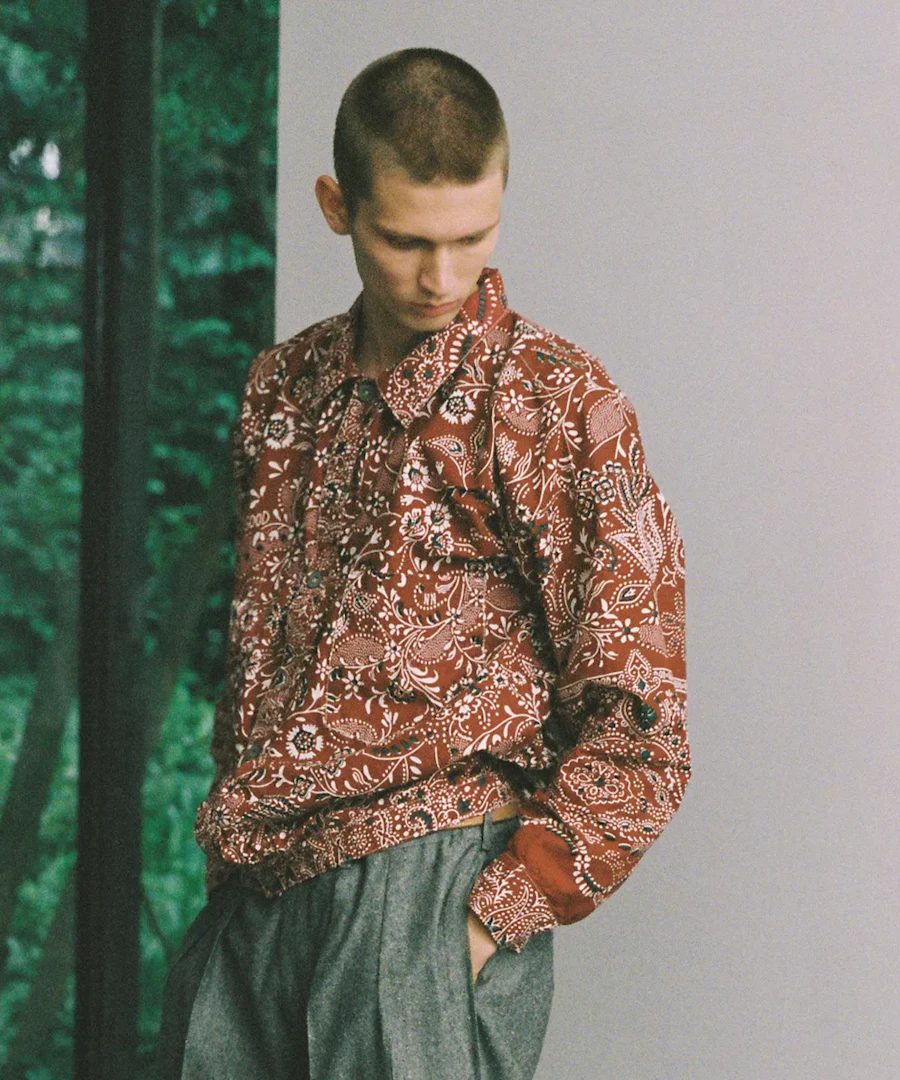
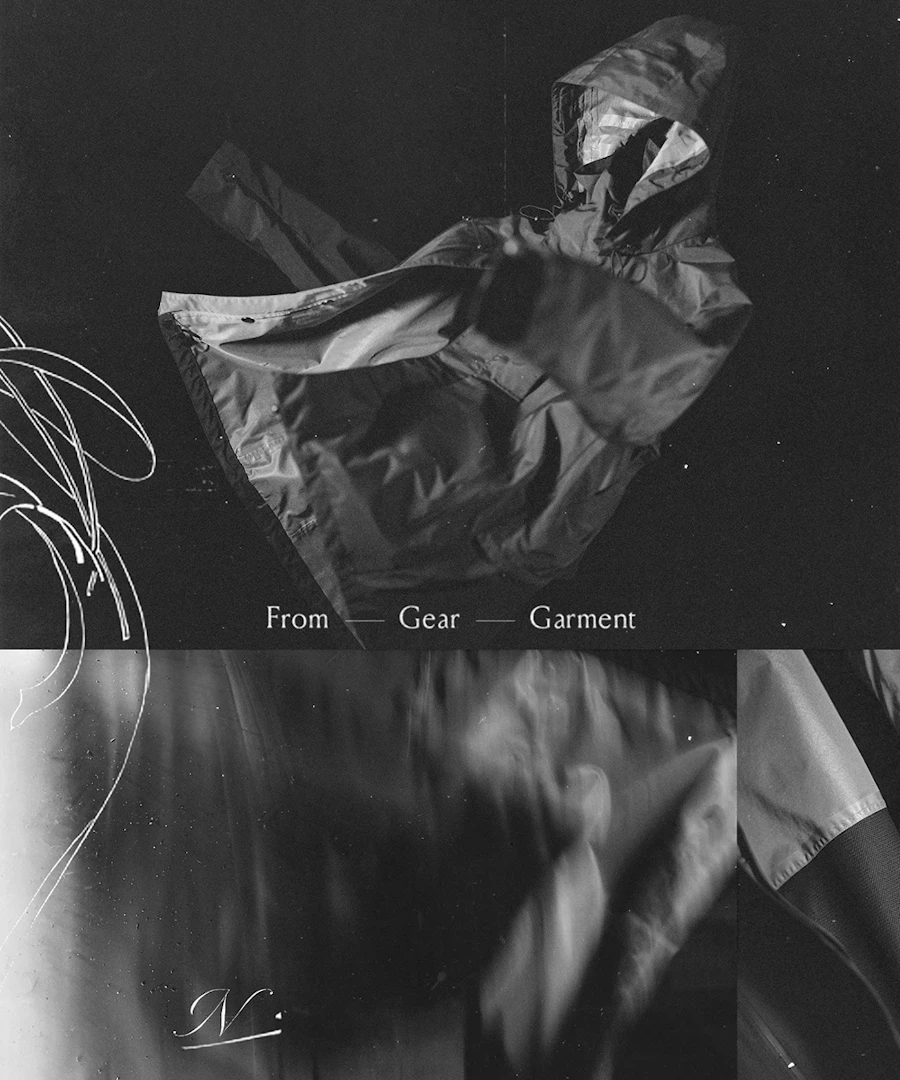
That same sensibility became the starting point for this season’s collection. The functional construction of American and British hunting wear from the 1920s through the 1960s. The traces of time left behind on workwear from the 1930s through the 1960s. The intention was never to reproduce them faithfully, but to reorganise the knowledge they embodied through contemporary methods. One of the clearest expressions of that idea is this transfer-printed stripe series.
At first glance, the fabric appears to be genuine vintage—worn, faded, creased, marked by years of use. Yet none of that time has actually passed. Every trace has been meticulously constructed through print. On a screen, it will almost certainly be read as vintage. But the moment you hold it in your hands, that perception quietly begins to unravel. What remains is not a garment shaped by time, but a new garment that has been designed around the very idea of time itself.


The world inside a mobile screen delivers information with remarkable efficiency. Yet it cannot communicate the weight of a garment, the depth of its texture, or the drape that emerges only when it moves with the body. A screen can show clothing, but it cannot let you experience it. That is why this garment is never complete on a screen. It has to be touched. Worn. Moved in. Only then do the boundaries between print and weave begin to dissolve, and what first appeared to be vintage reveals itself as something entirely new.
An age built on efficiency has become remarkably good at finding answers quickly. The body, however, has always taken the longer route. To touch something. To slip your arms through the sleeves. To walk in it. There are still countless things about clothing that can only be understood through those small moments of experience.
“Old is new again.”
It is not about returning to the past. It is about reclaiming the sense of physicality that the digital age has gradually pushed aside. When we step just outside the algorithm, we may discover that what feels most new has been quietly waiting for us all along.
Product


Episode