AUTUMN / WINTER 26
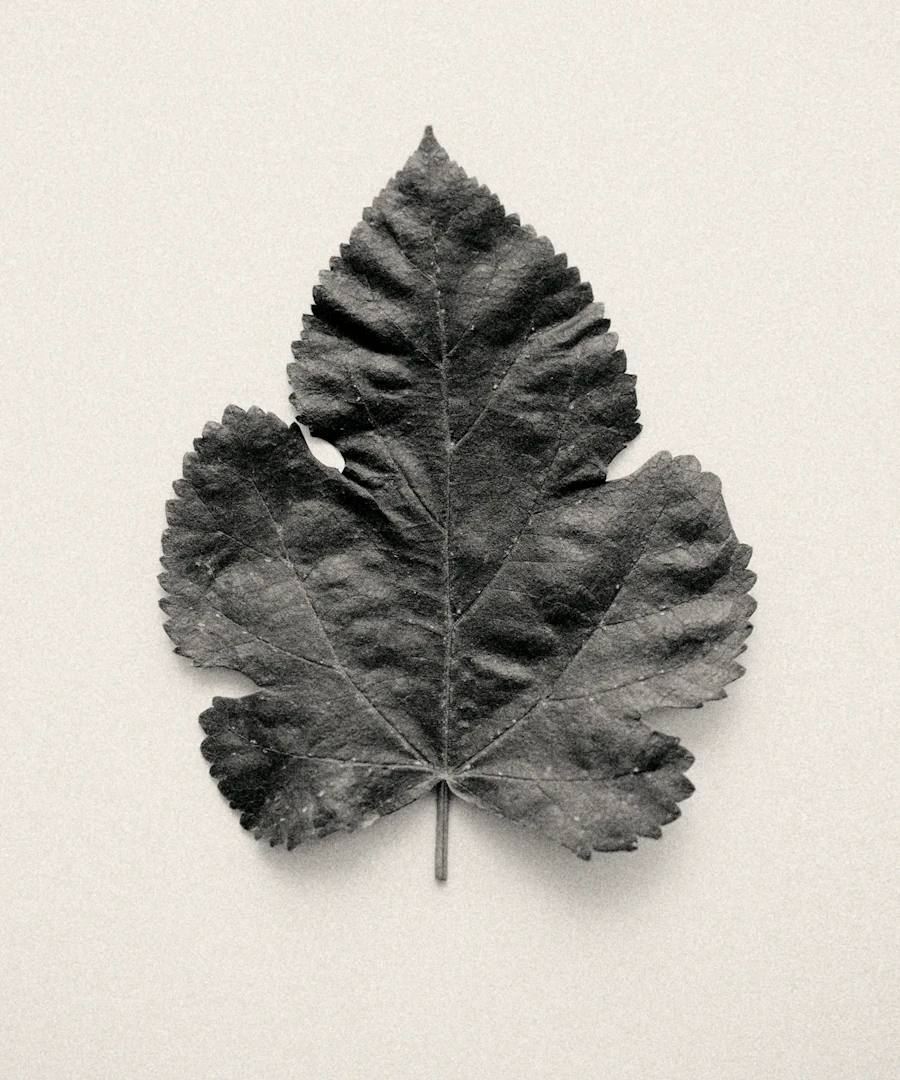
The autumn rain had been relentless, but one morning it finally let up. The blue sky, appearing for the first time in what felt like ages, was so refreshing that I got ready a little earlier than usual and went for a run along the river near my home. The air was clear after the rain, and the breeze against my cheeks felt pleasant. Glancing down, I noticed the pavement covered with fallen leaves from the roadside trees. Yellow, orange, reddish brown. Leaves darkened by the rain lay beneath others that had already begun to dry, with traces of green still scattered among them. It was a familiar scene that returns every year, yet when I stopped to look, I was surprised by the richness of its colours.
When we think of autumn leaves, vivid reds and yellows tend to come to mind. But the reality is rarely so simple. Even a single leaf contains several shades, its appearance shifting with the light and the moisture it holds. Unlike a colour made by mixing paints, this landscape emerges from different colours overlapping while retaining something of their individual character. The colours found in nature are far more complex than we might imagine.


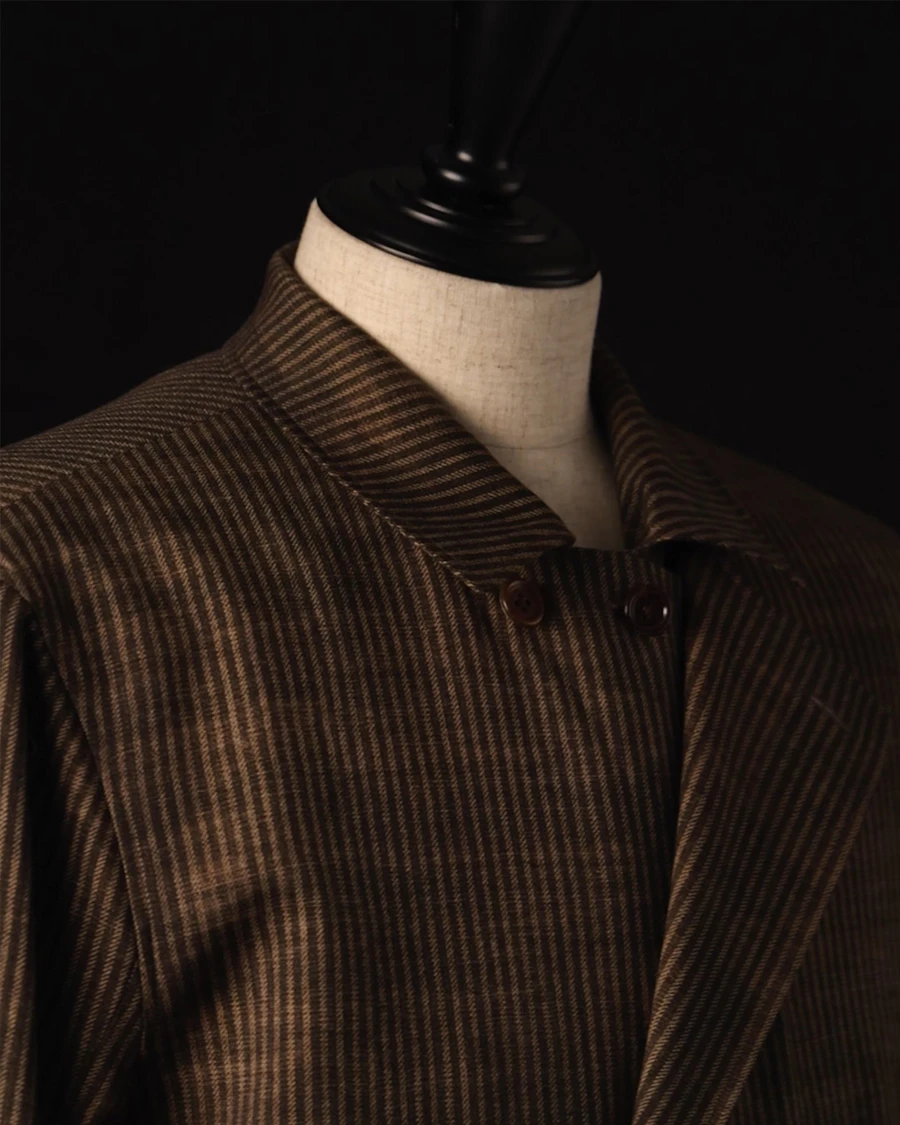
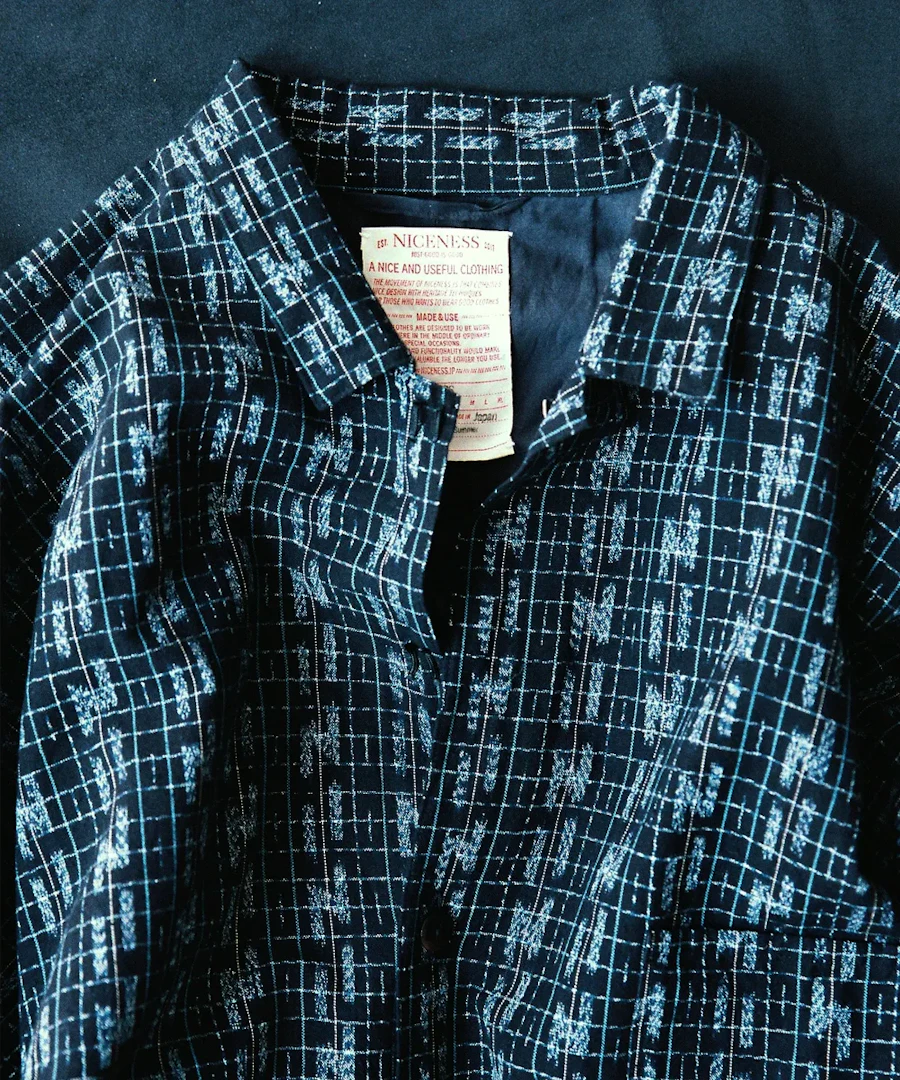
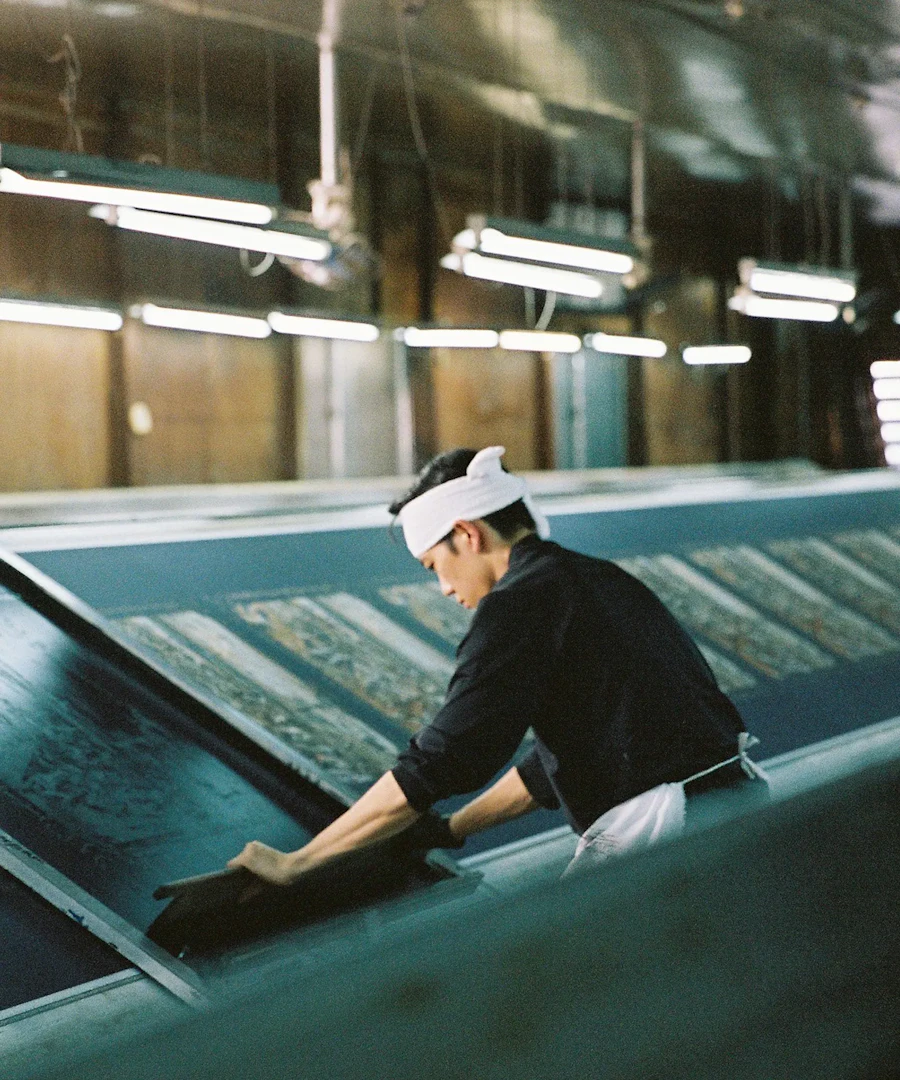
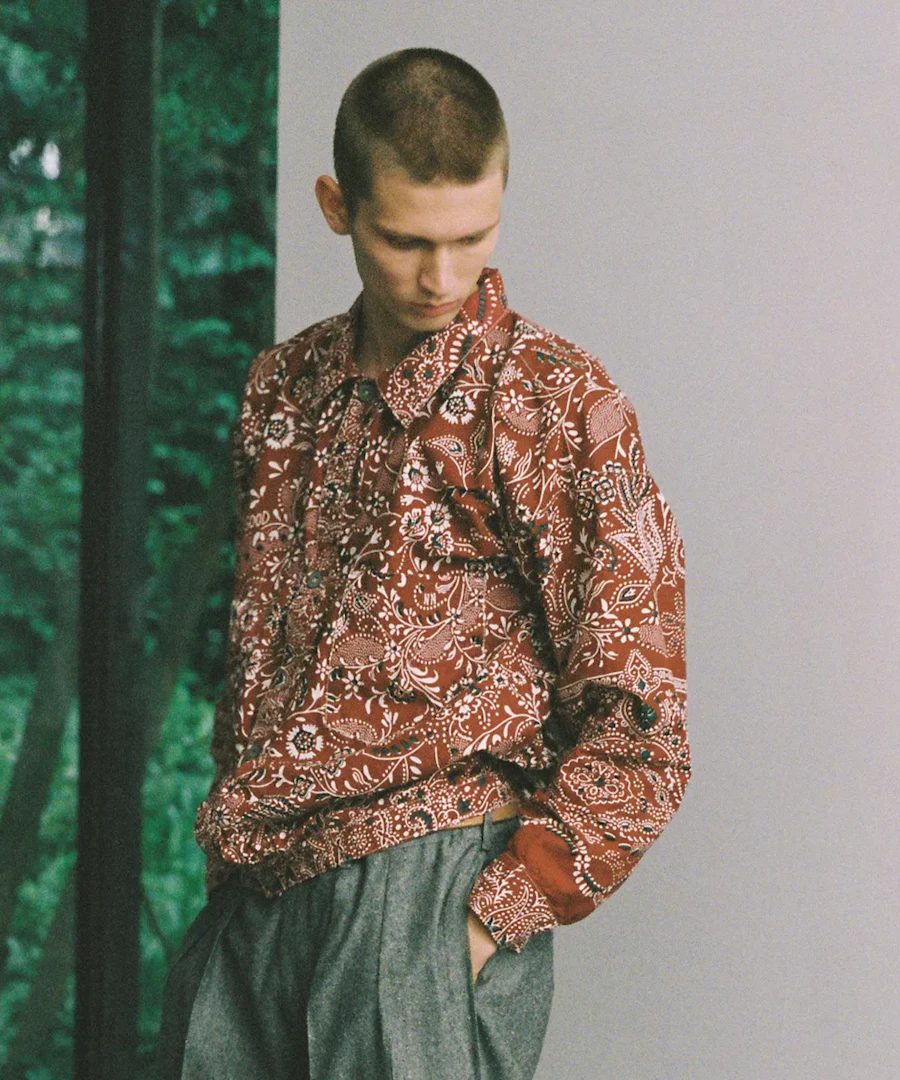
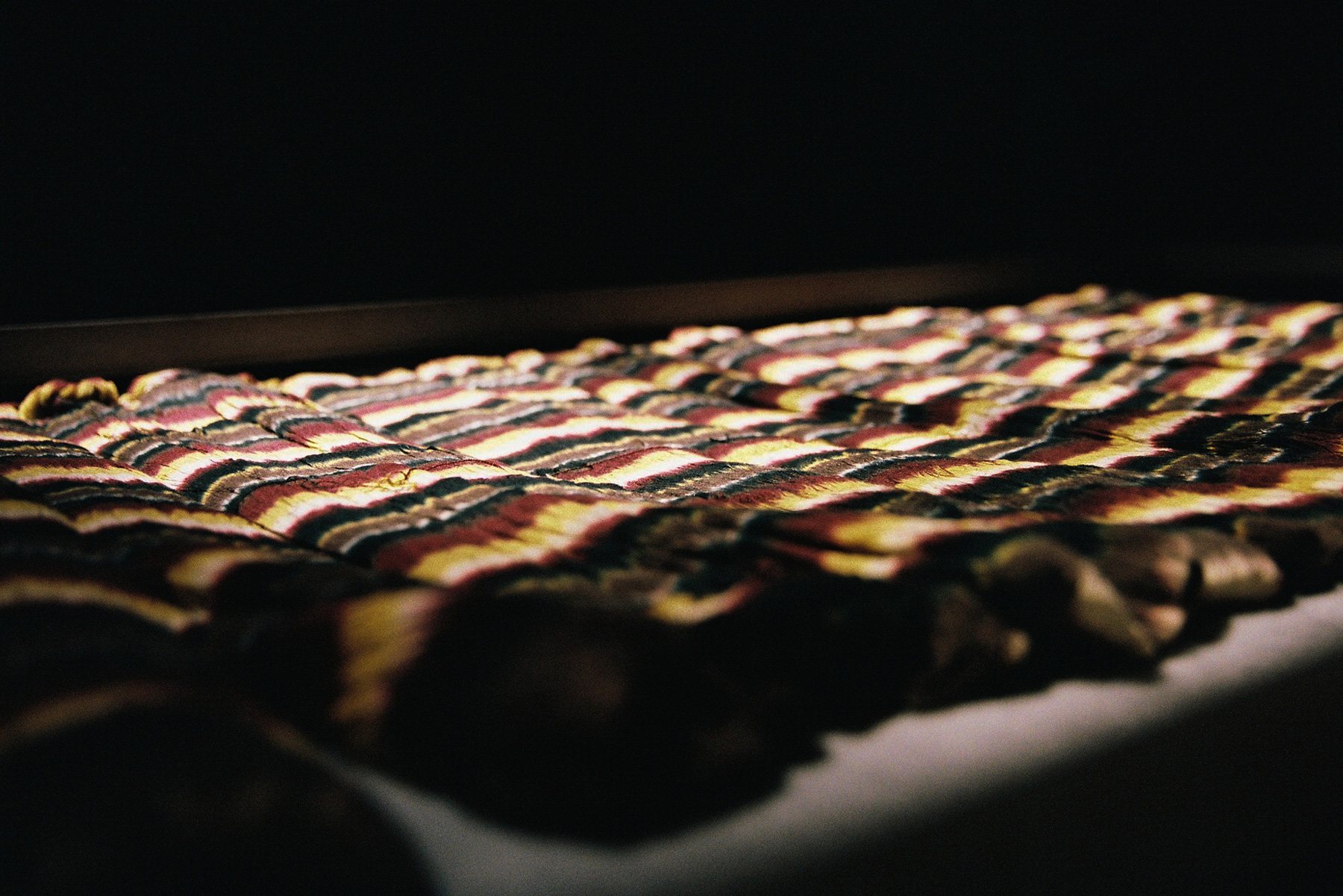
As I looked at those overlapping colours, I was reminded of the original beach cloth we developed for this season. Cotton slub mélange yarn, heavy cotton kasuri yarn dyed in five colours, woollen-spun yarn and worsted yarn. Four yarns with distinct characteristics, densely knitted together to create a fabric with remarkable depth. Kasuri, a traditional Japanese resist-dyeing technique, involves dyeing selected sections of yarn to create irregular patterns and subtle variations in colour. We incorporated this technique into the fabric, giving it an appearance that seems almost monochromatic from a distance, yet reveals an intricate interplay of colours when viewed up close. Much like a natural landscape, the individual colours retain their own character while coming together to form a single expression.


The campaign was photographed on the Isle of Skye, off the north-west coast of Scotland. Steep mountains, gently rolling hills, moorland and grassland. Brown grasses, deep green moss and grey rock form a landscape that changes its appearance with even the slightest shift in light. The island’s complex terrain was shaped by geological layers from different periods, volcanic activity and erosion over immense stretches of time. The fallen autumn leaves in Japan and the landscape of Scotland, so far apart and so different in character, share a certain beauty born from the layering of colours and forms.
Across Scotland and other parts of Britain, techniques for spinning wool and weaving it into durable cloth developed over centuries, shaped by the need to protect the body from harsh wind and rain. Materials such as tweed and Shetland wool are closely connected to the climate and everyday lives of the people who made and wore them. Over time, British textile techniques and knowledge of garment-making crossed the Atlantic and influenced clothing traditions in America. Materials and silhouettes evolved in response to different climates and ways of life. To trace the history of clothing is also to trace the history of cultures meeting and influencing one another across the sea.


BATT and SYLVIAN reflect an attempt to reconsider this history of clothing through a contemporary perspective. BATT takes its inspiration from American beach jackets of the 1920s. Beginning with their straightforward construction, the design incorporates the more sculptural pattern-cutting associated with British hunting wear. SYLVIAN, meanwhile, draws on the duster coats of the 1940s, reinterpreted through the three-dimensional construction of the British Chesterfield coat. Rather than faithfully reproducing garments from a particular period or place, both pieces bring together the functional logic and forms of clothing from different backgrounds in search of a new balance.
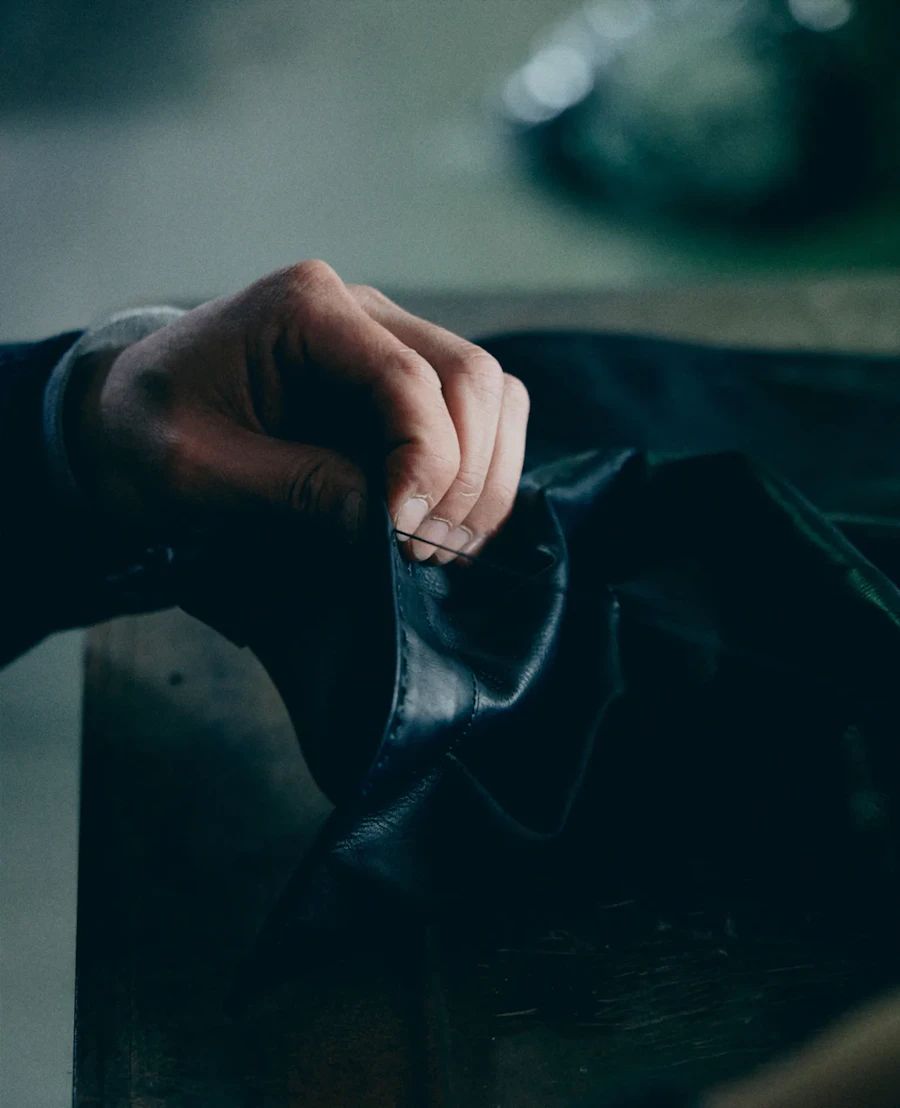
This approach extends to the fabric itself. Yarns with different properties are densely knitted together, creating a richly nuanced surface, while the reverse is brushed to achieve a softness reminiscent of fleece. Beneath the substantial appearance of the outer fabric lies a sense of warmth and comfort against the body. Leather reinforcements are placed at key points on both garments, adding strength to the softness of the knitted fabric. The depth of colour associated with British tweed, the practicality of American workwear, and the irregular variations created by Japanese kasuri. Different cultures and techniques coexist within a single garment, each retaining its own distinct character.

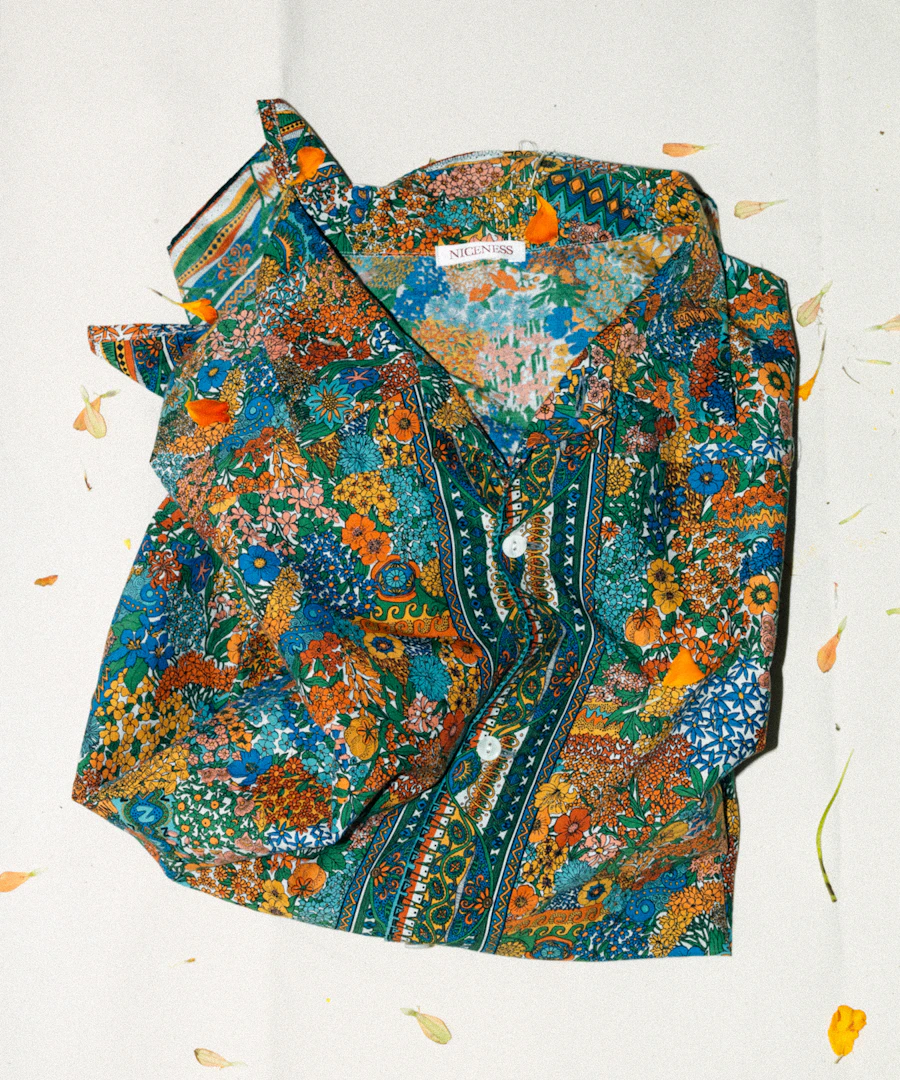
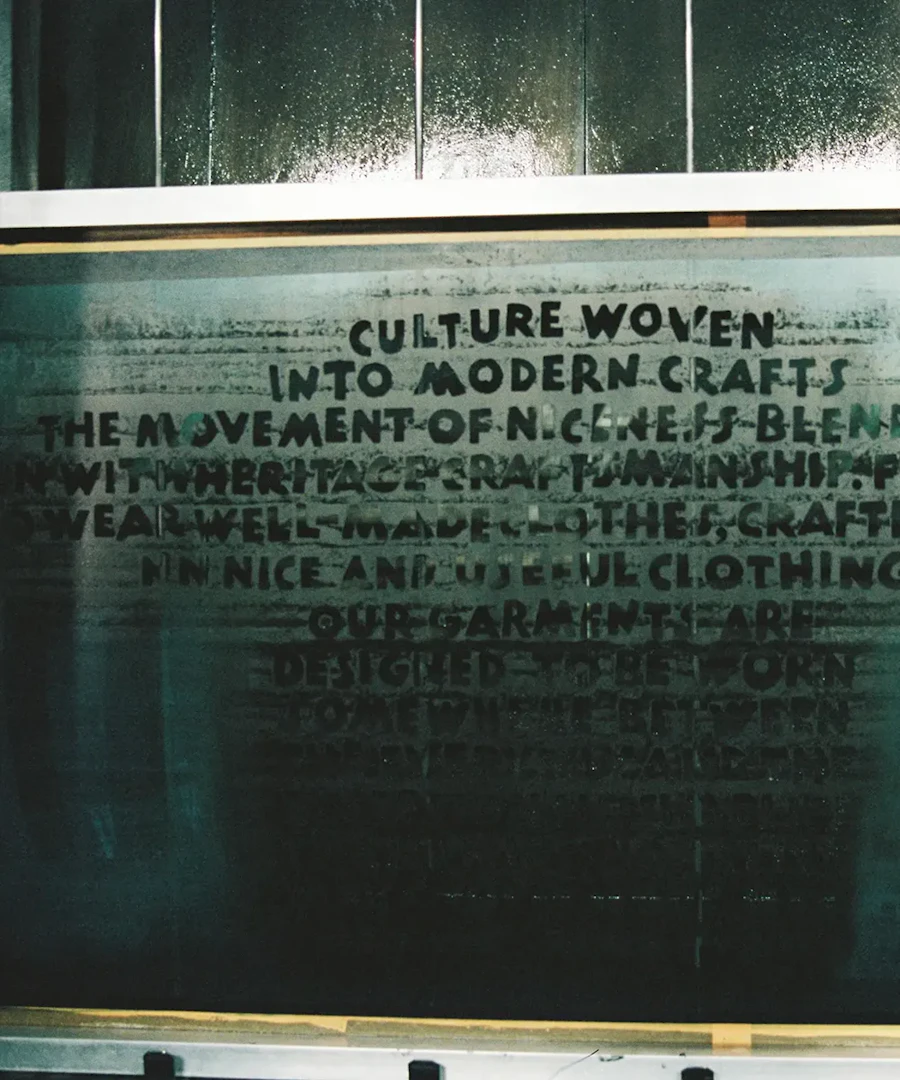
The theme of this NICENESS collection is Aesthetic Dissonance. An exploration of how different periods, cultures, materials and techniques can be brought together, transforming even the tension between them into a form of beauty. Unevenly dyed kasuri yarn. Wool and cotton. Woollen and worsted yarns. Softness and strength. Britain, America and Japan. Elements that do not necessarily share the same nature come together without losing their individual identities. What emerges is a beauty distinct from anything made perfectly uniform. It can be found in the landscape of the distant Isle of Skye, within a single strand of yarn, and even in the familiar streets we pass through every day.


Episode