
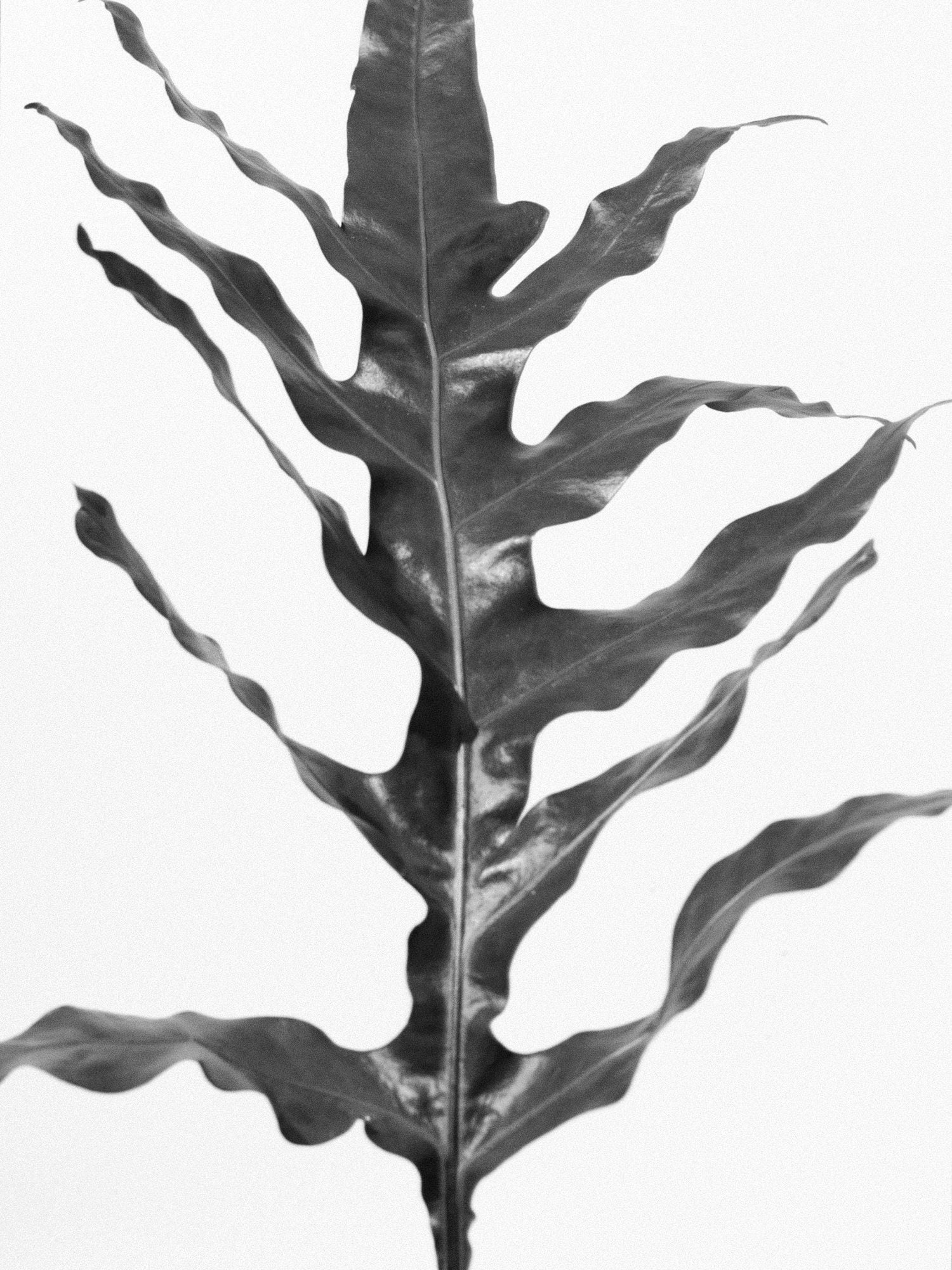
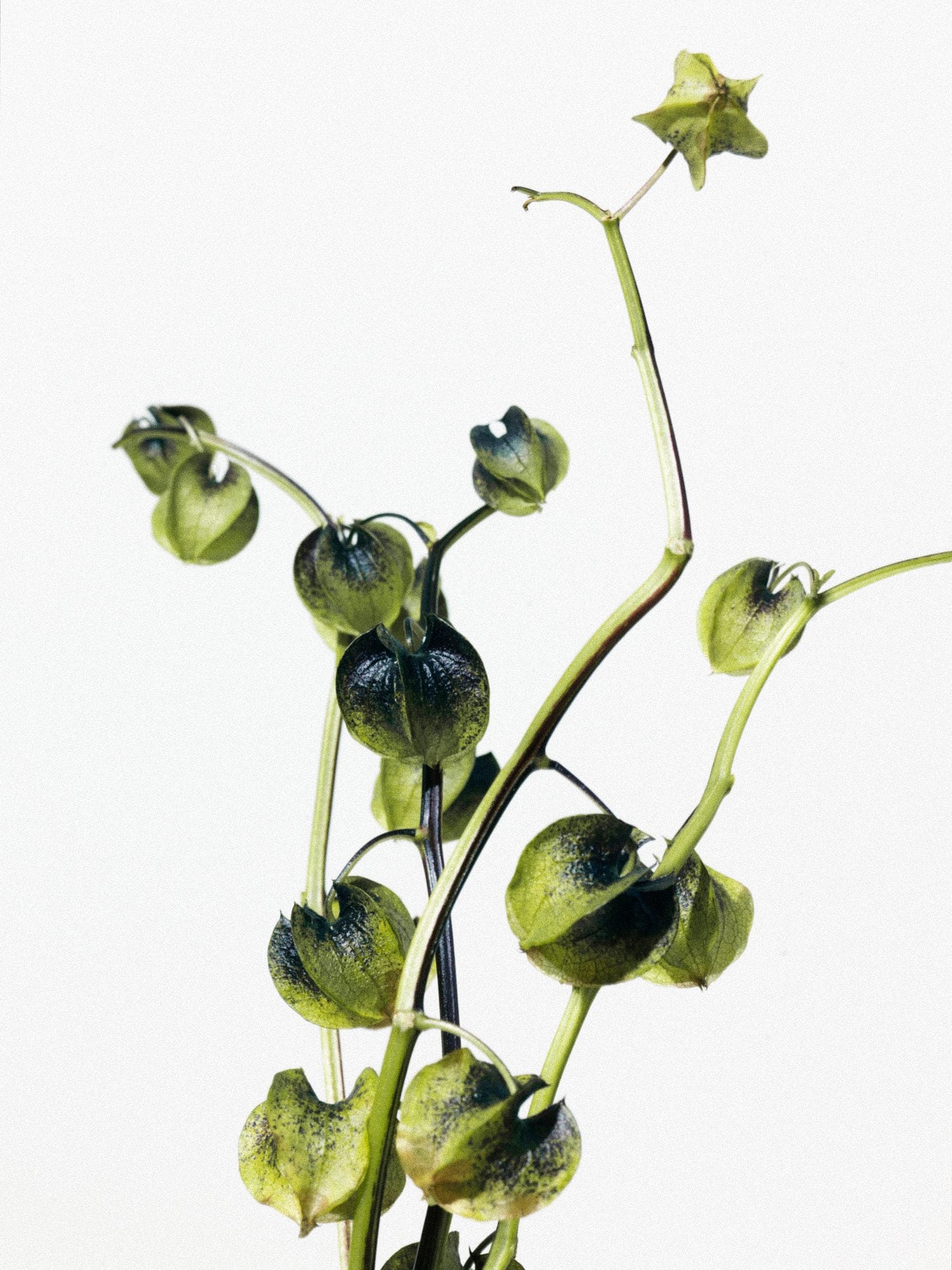
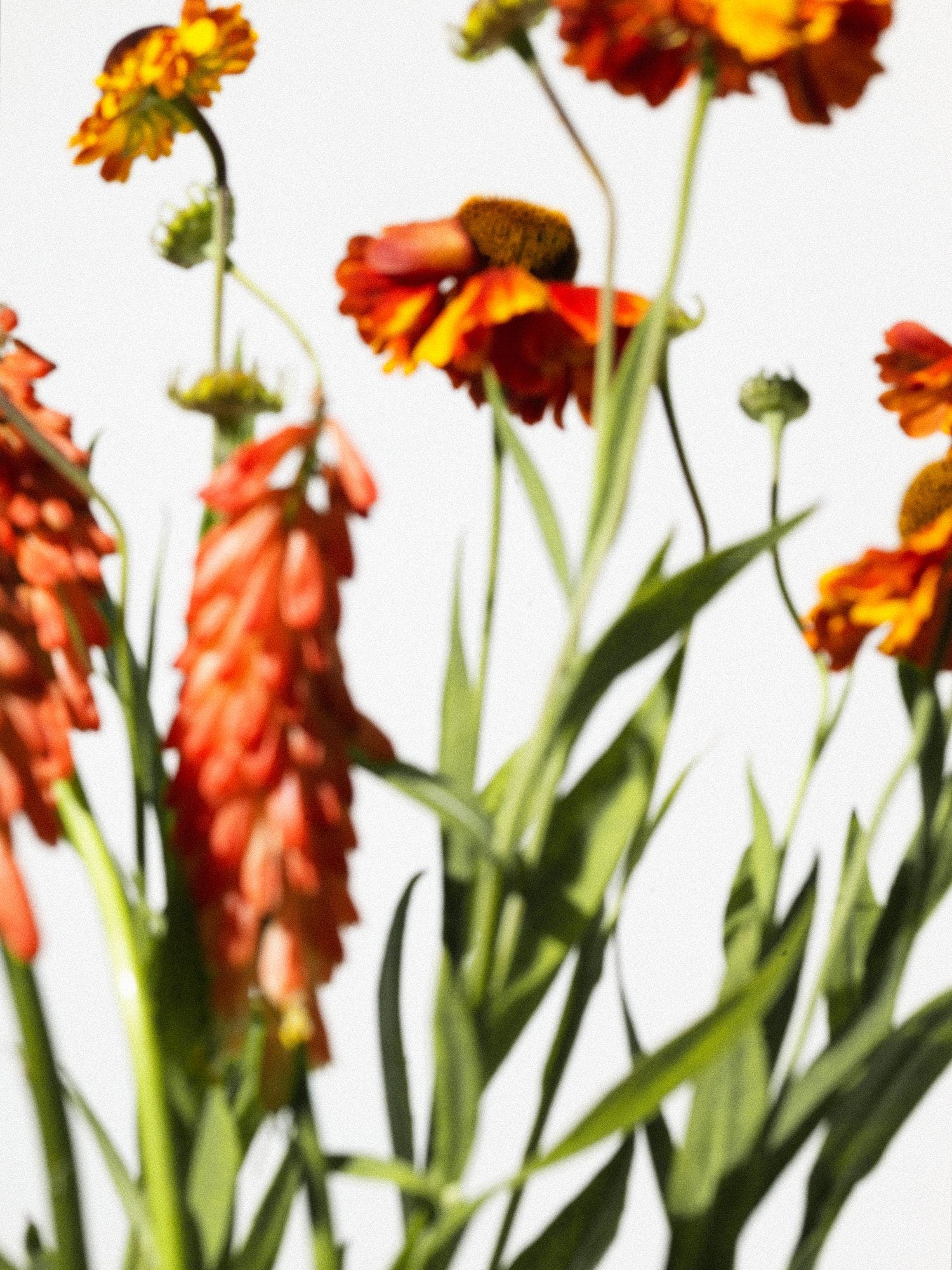
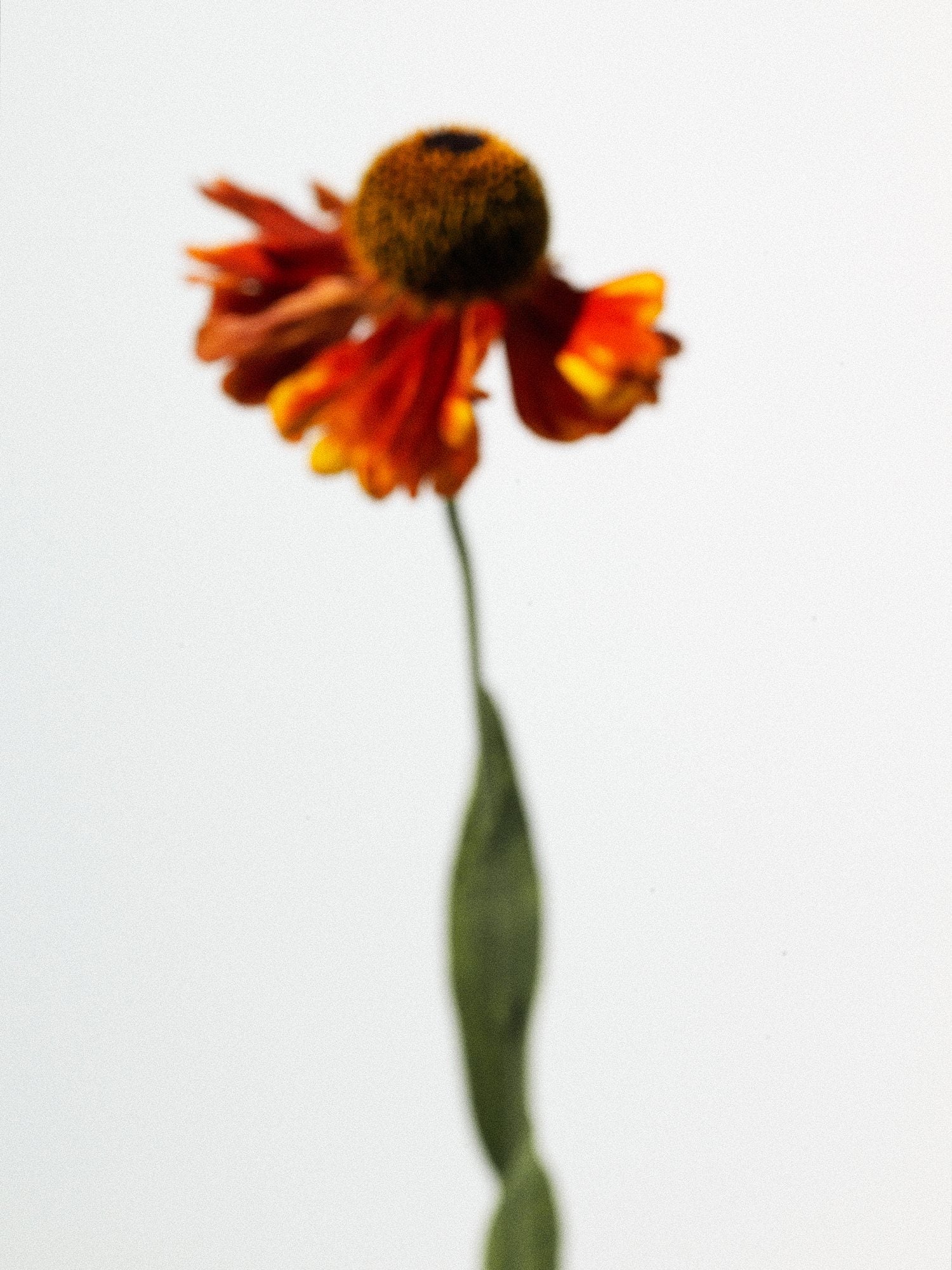
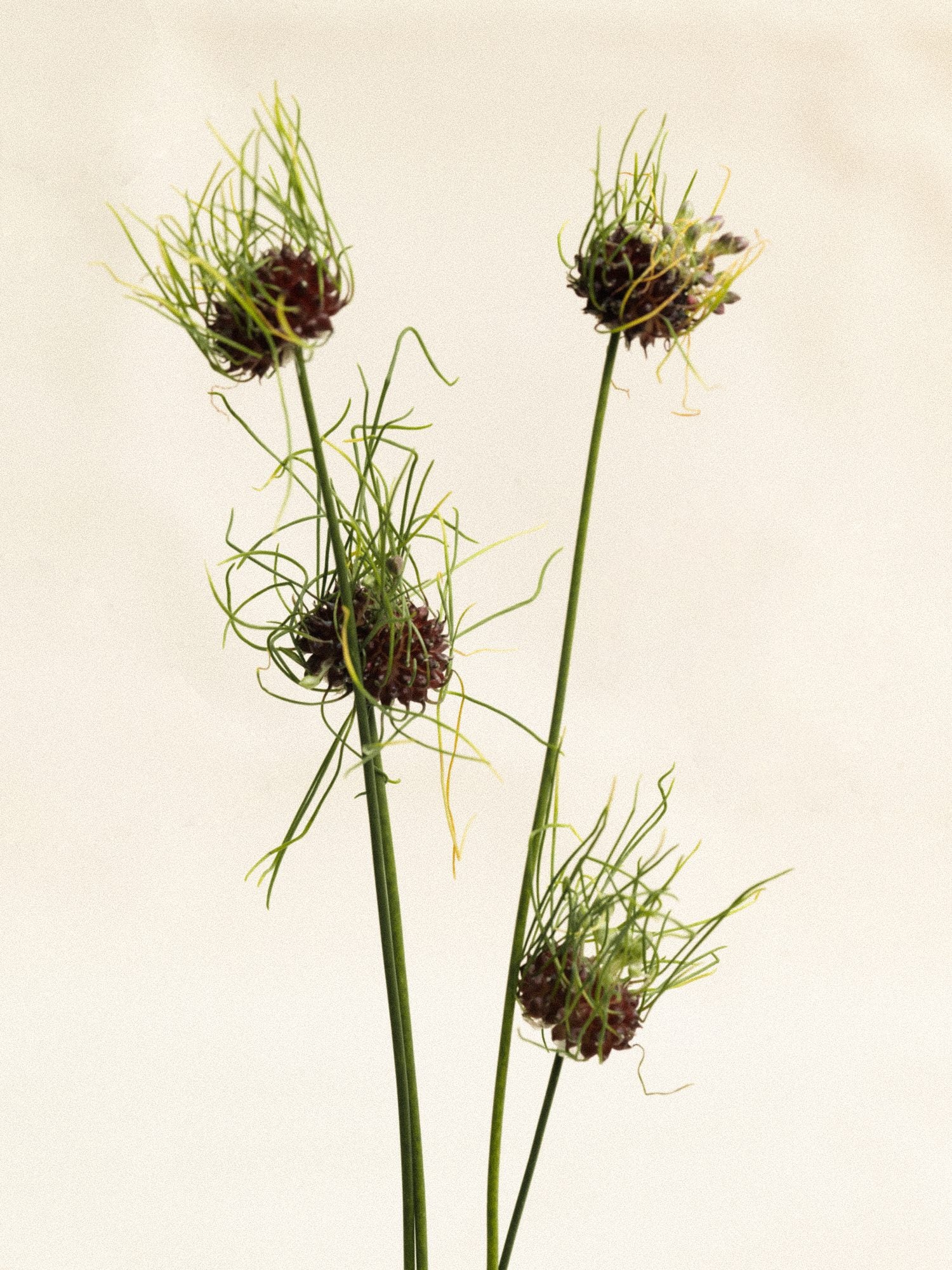
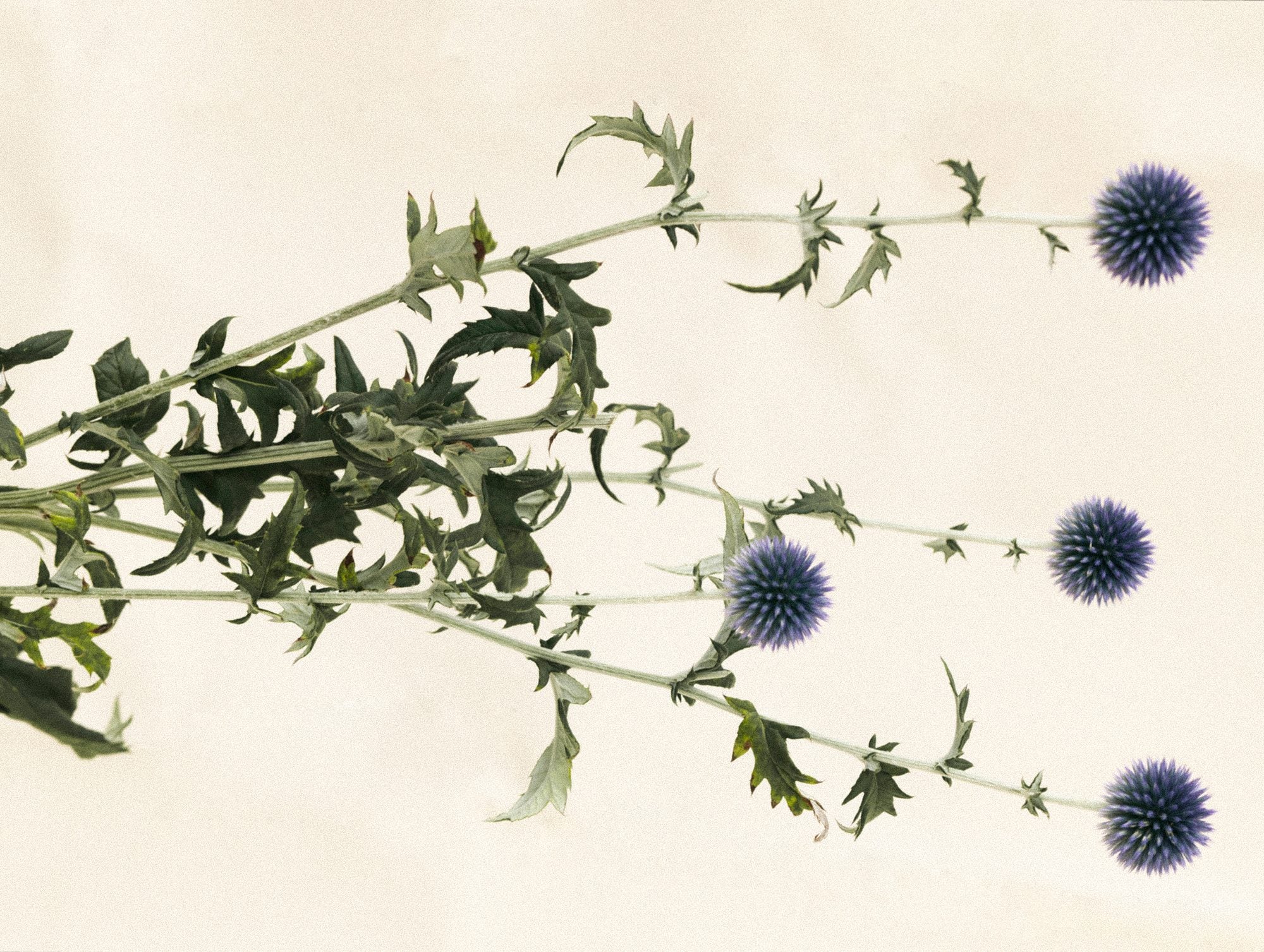
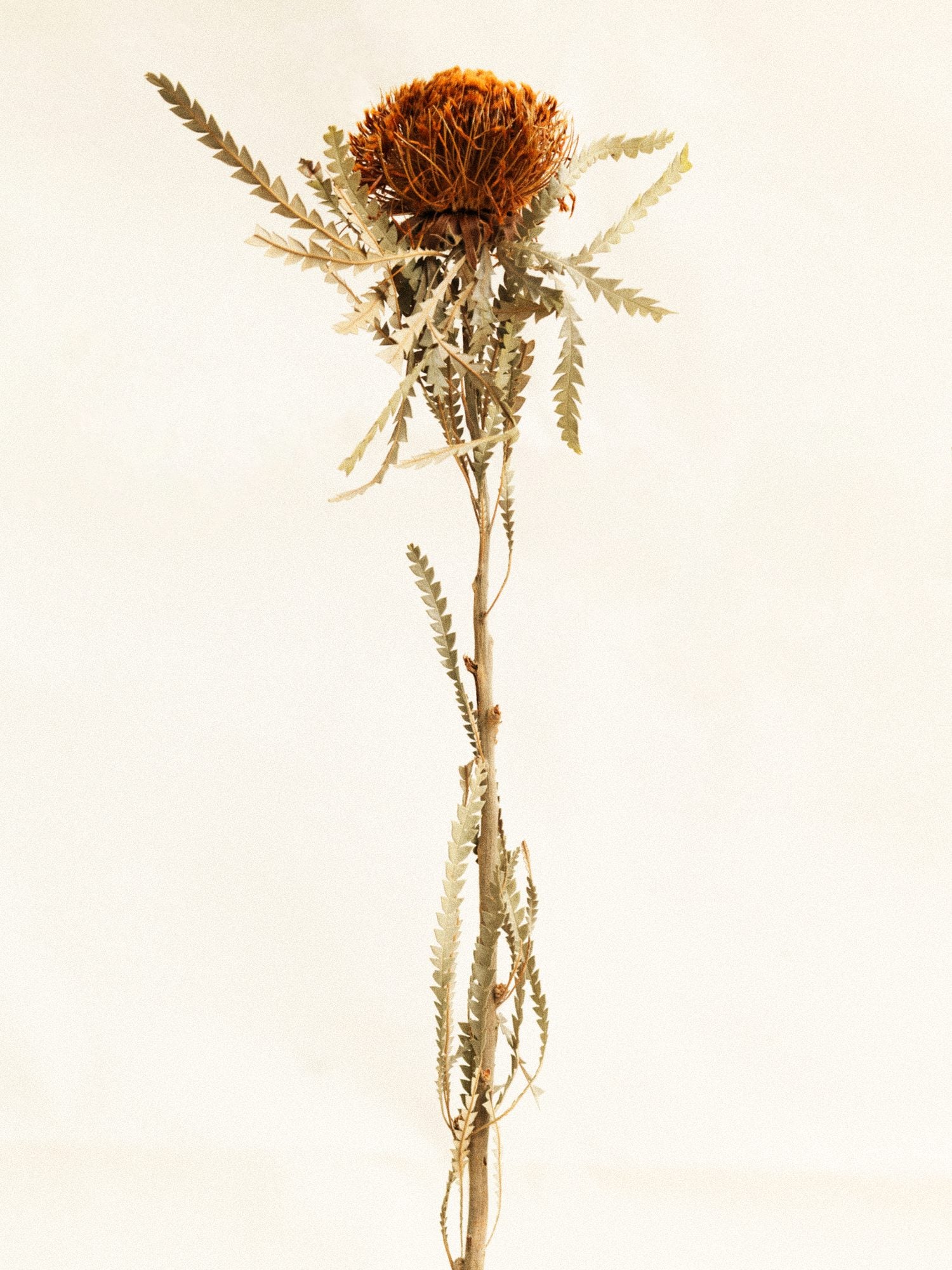
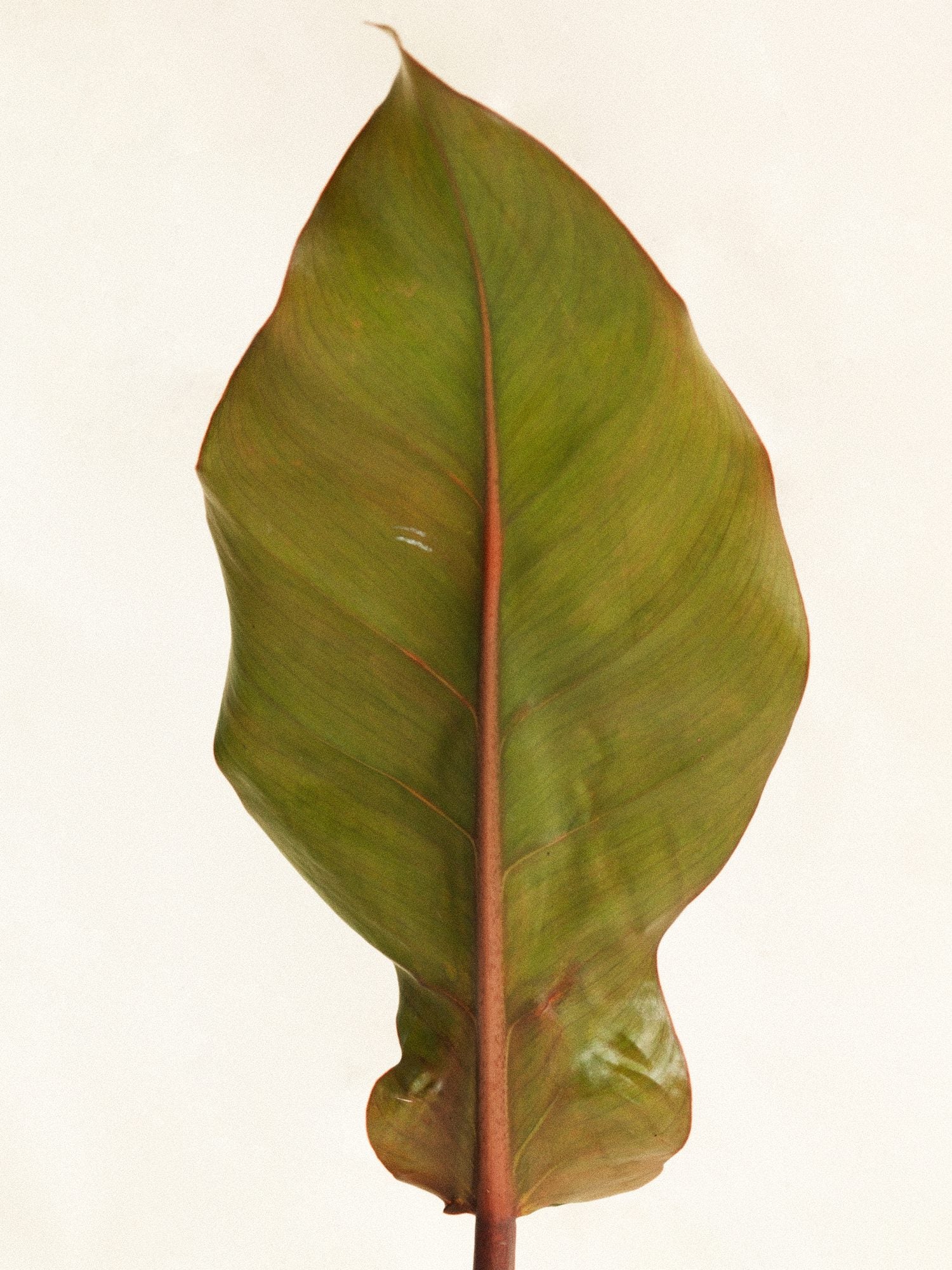
"Everything a fiver!"
The spirited call echoed through the narrow street.
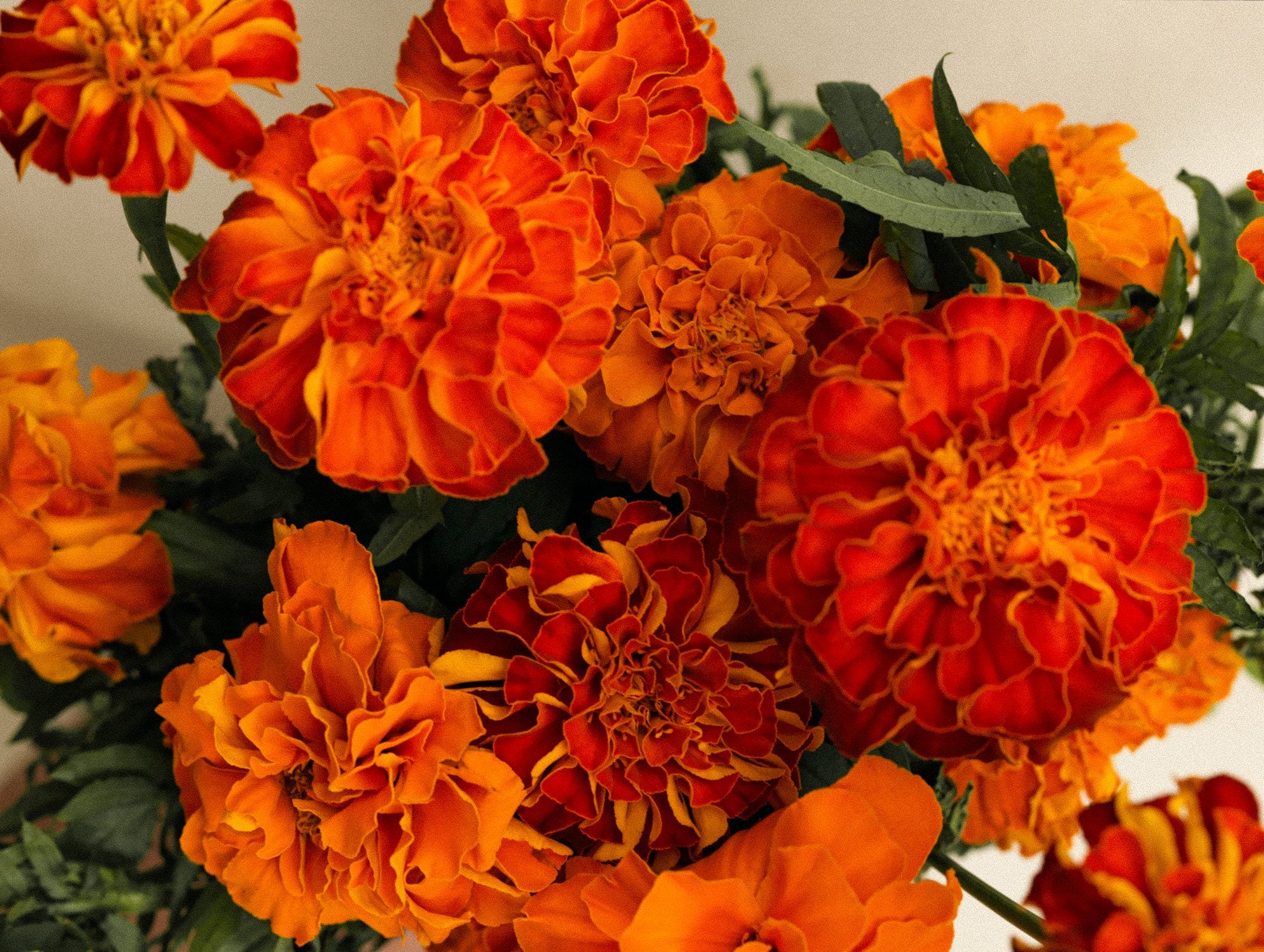
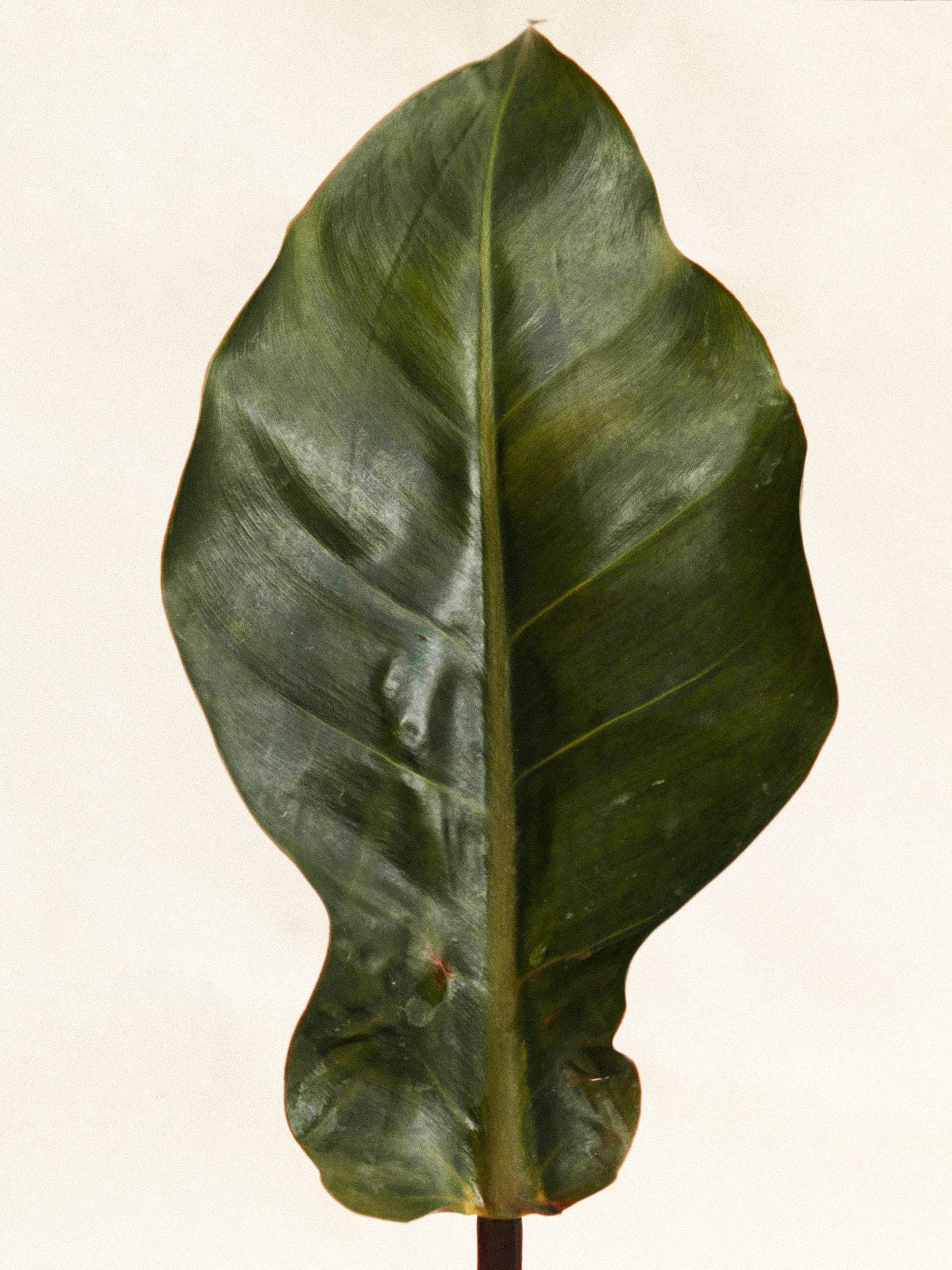
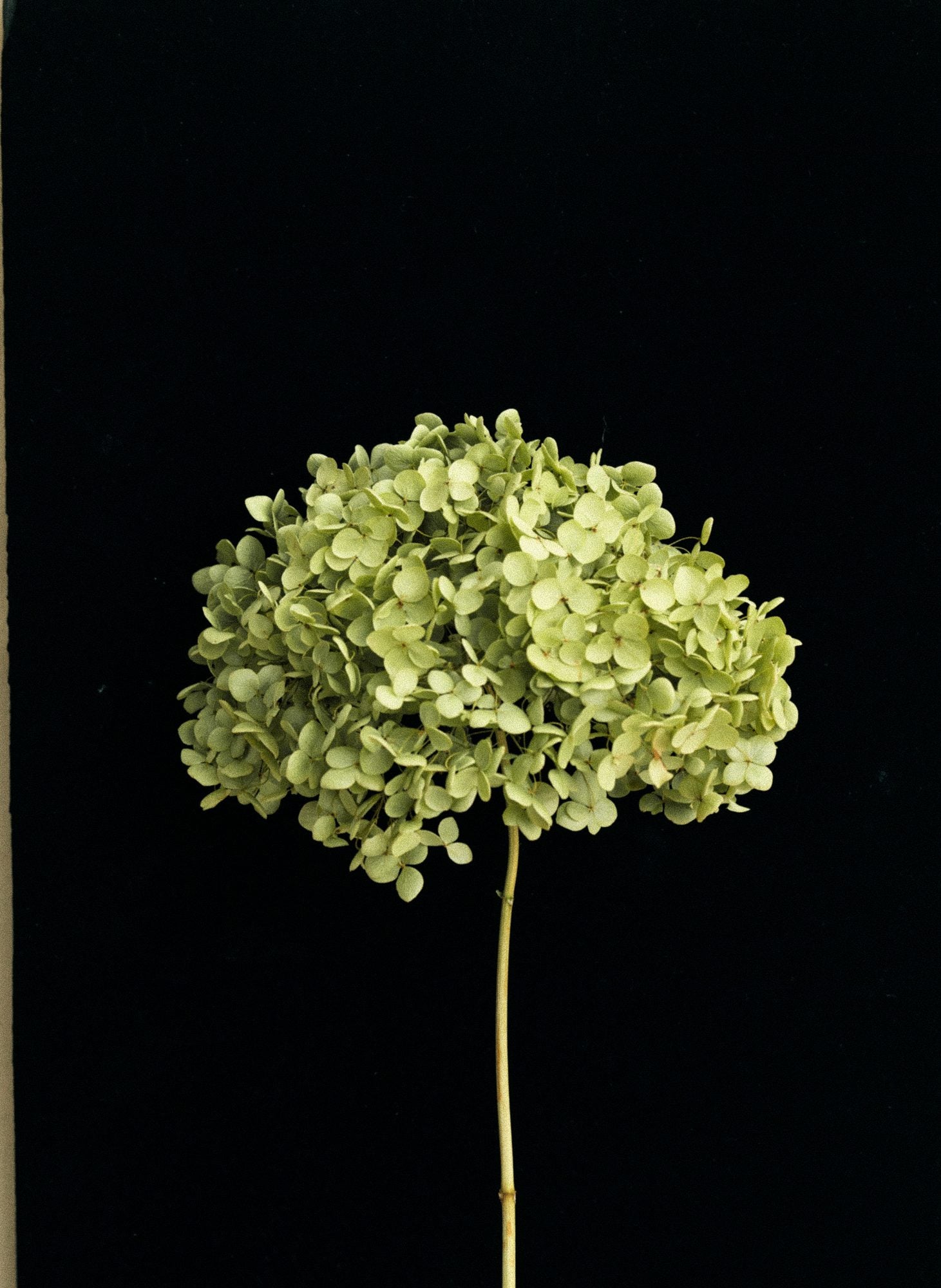
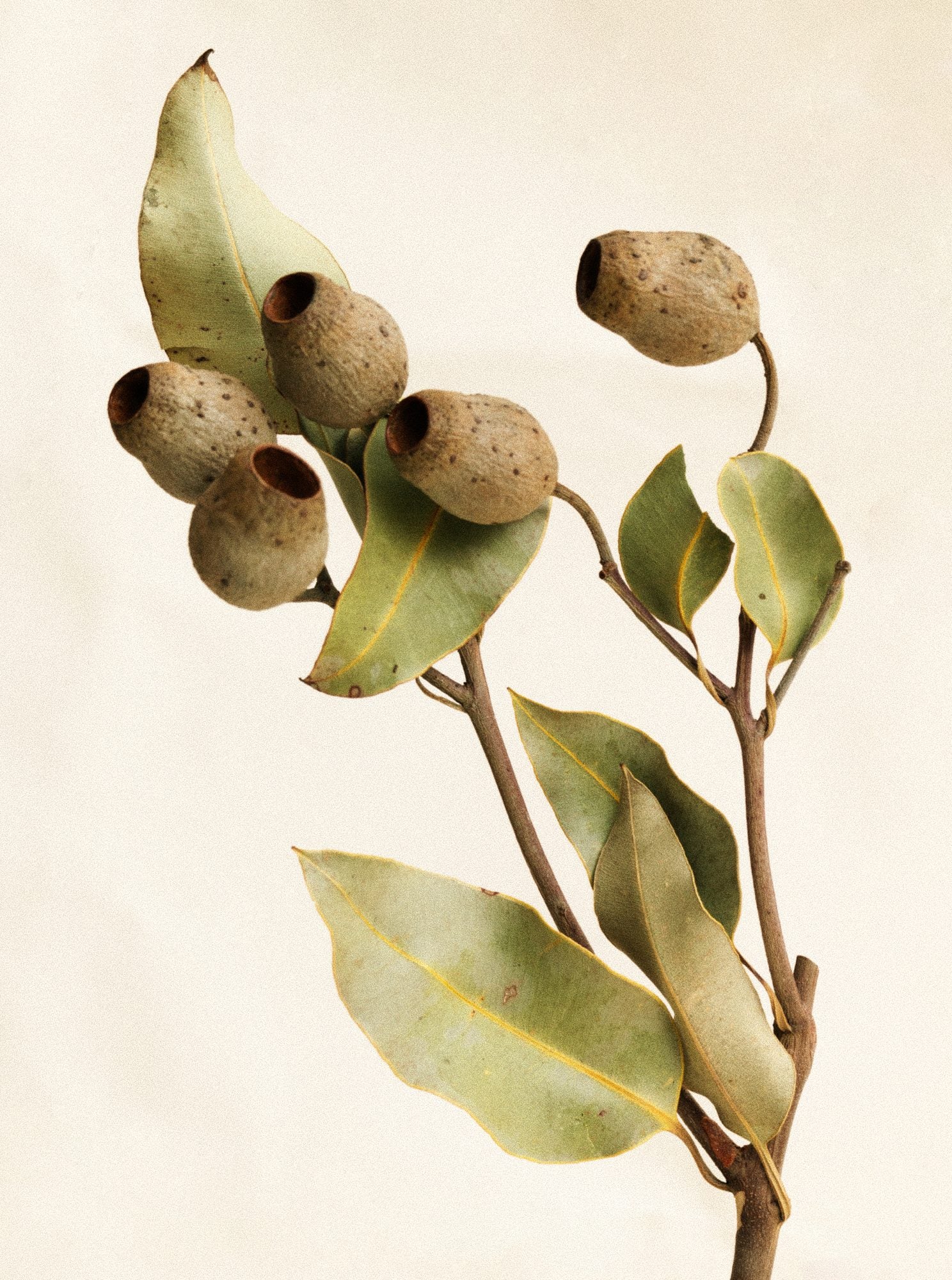
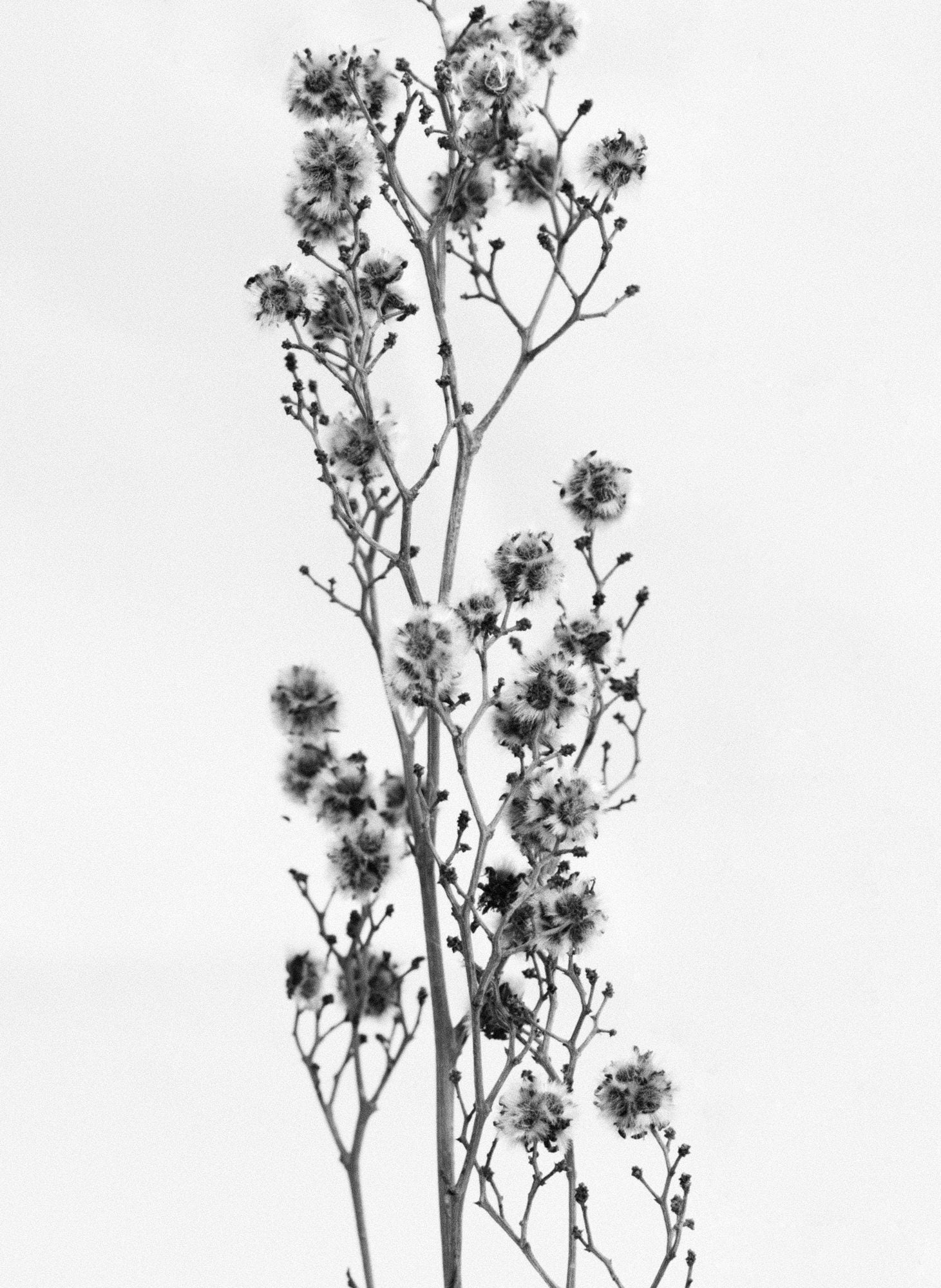
It was around twenty years ago, shortly after London had been announced as the host city for the Olympic Games, just before the city itself began to change dramatically. Every Sunday morning, Columbia Road Flower Market in East London filled with people carrying vibrant bouquets, while stallholders called out endlessly to the passing crowd. Quietly observing the scene and continually pressing the shutter was photographer KIYOTAKA HATANAKA.
He had been living in London a little longer than we had and was someone we looked up to like an older brother. I still remember the first time we met, when he showed me the photographs he had been taking at that flower market. They were not photographs of flowers themselves, but of the people carrying them and the atmosphere of the street they walked through. Within those photographs lived the London he had been looking at, along with fleeting glimpses into the lives of the people who called that city home.
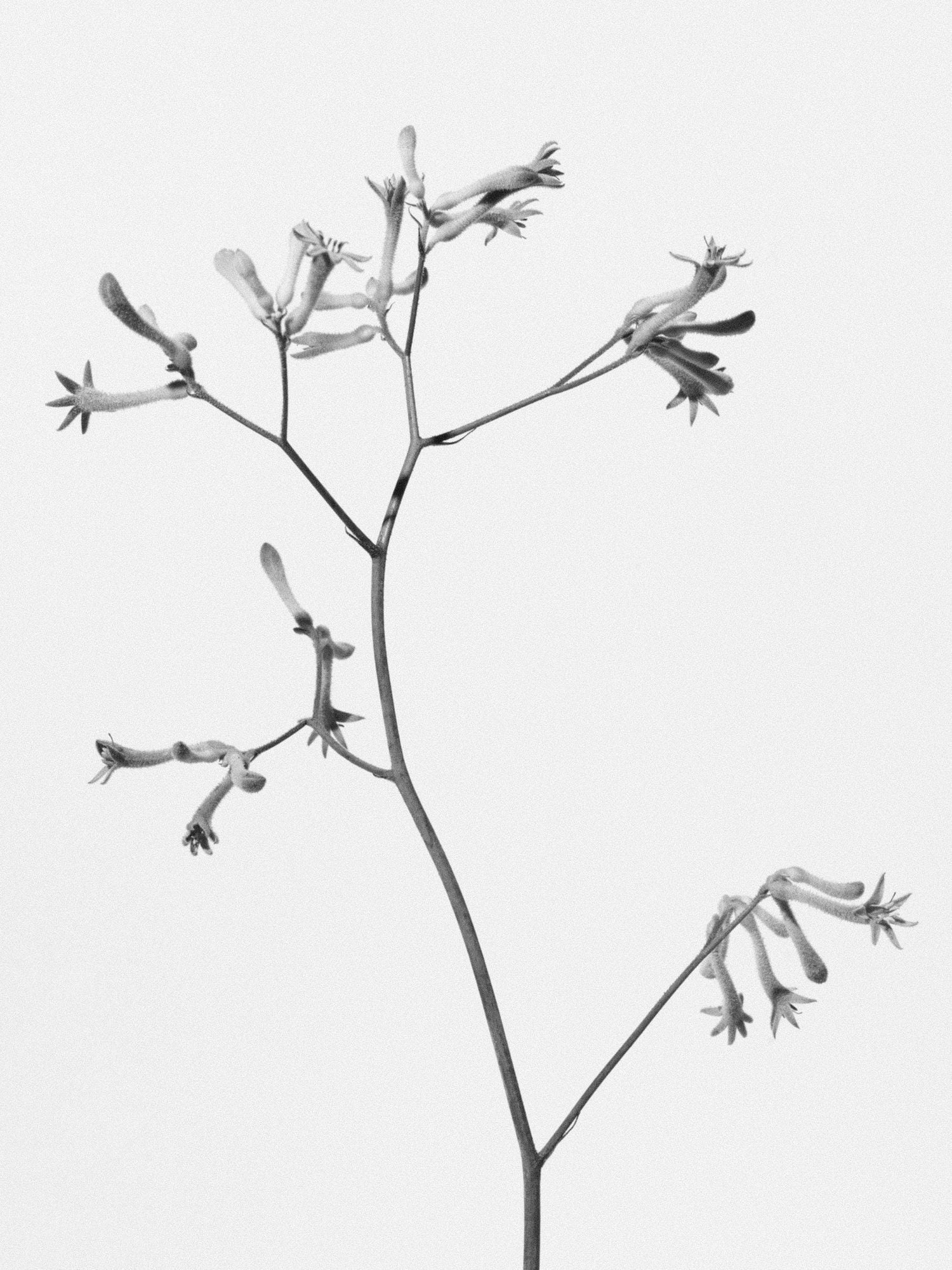
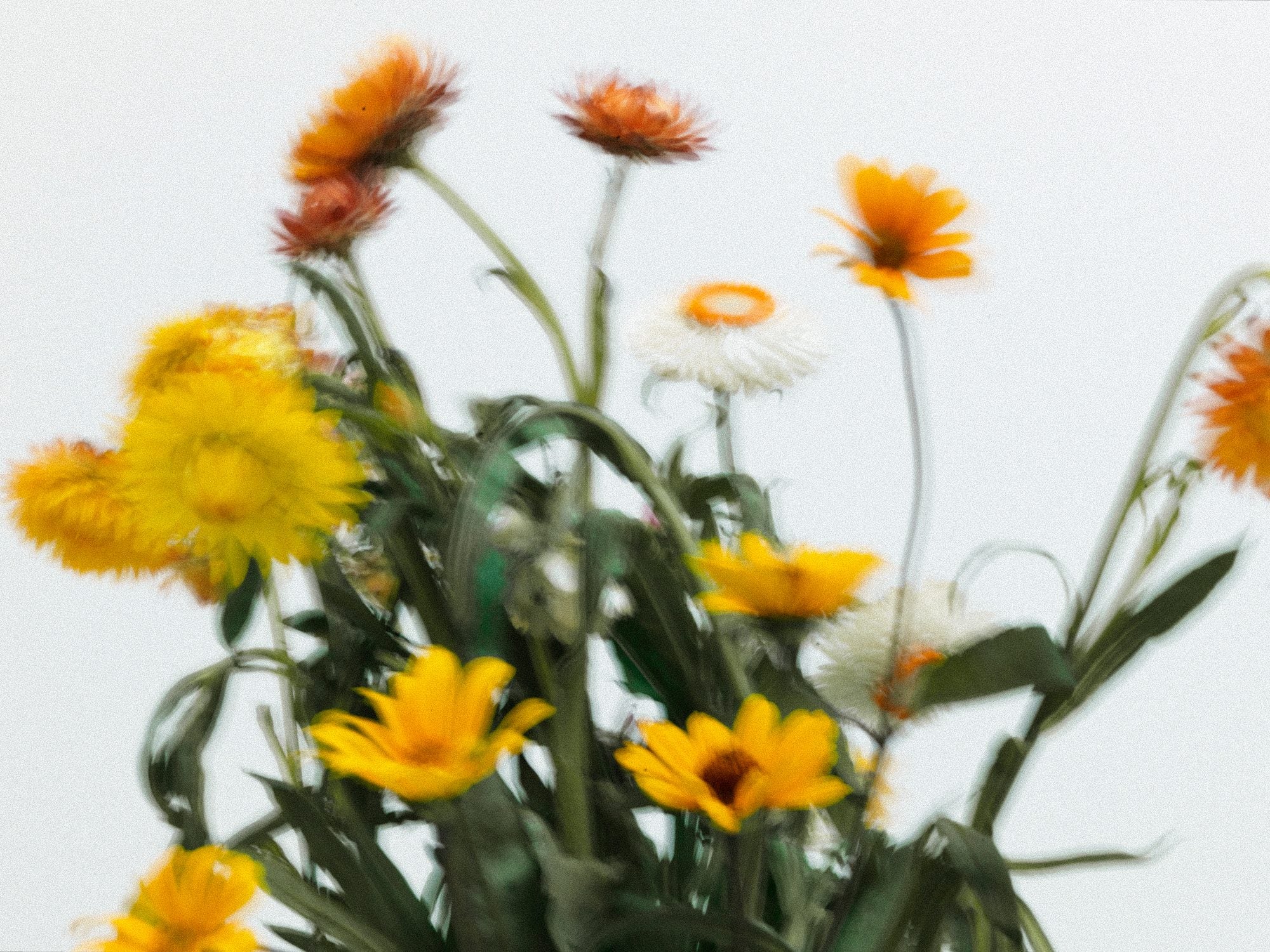
Step just one street away from the flower market, and the walls were covered in layers of graffiti, while posters had been pasted one over another. Brick, plants, street art, old shop signs. Each claimed its own place, yet none tried to erase the others. Nature and the man-made breathed within the same landscape. That sense of beautiful disorder was what made London of those days so memorable.
The city changed dramatically after the Olympics. Yet on weekends, people still stretched out on the grass in the parks, enjoying the sun with friends. Nature was never something reserved for special places; it existed within everyday urban life. Britain was the first nation to experience rapid urbanisation through the Industrial Revolution, yet at the same time it cultivated one of the world's richest gardening cultures. From William Morris and the Arts & Crafts movement to the textiles of LIBERTY, there runs a consistent philosophy: bringing nature into everyday life. These were designs that allowed people living in the city to carry a piece of nature home with them.
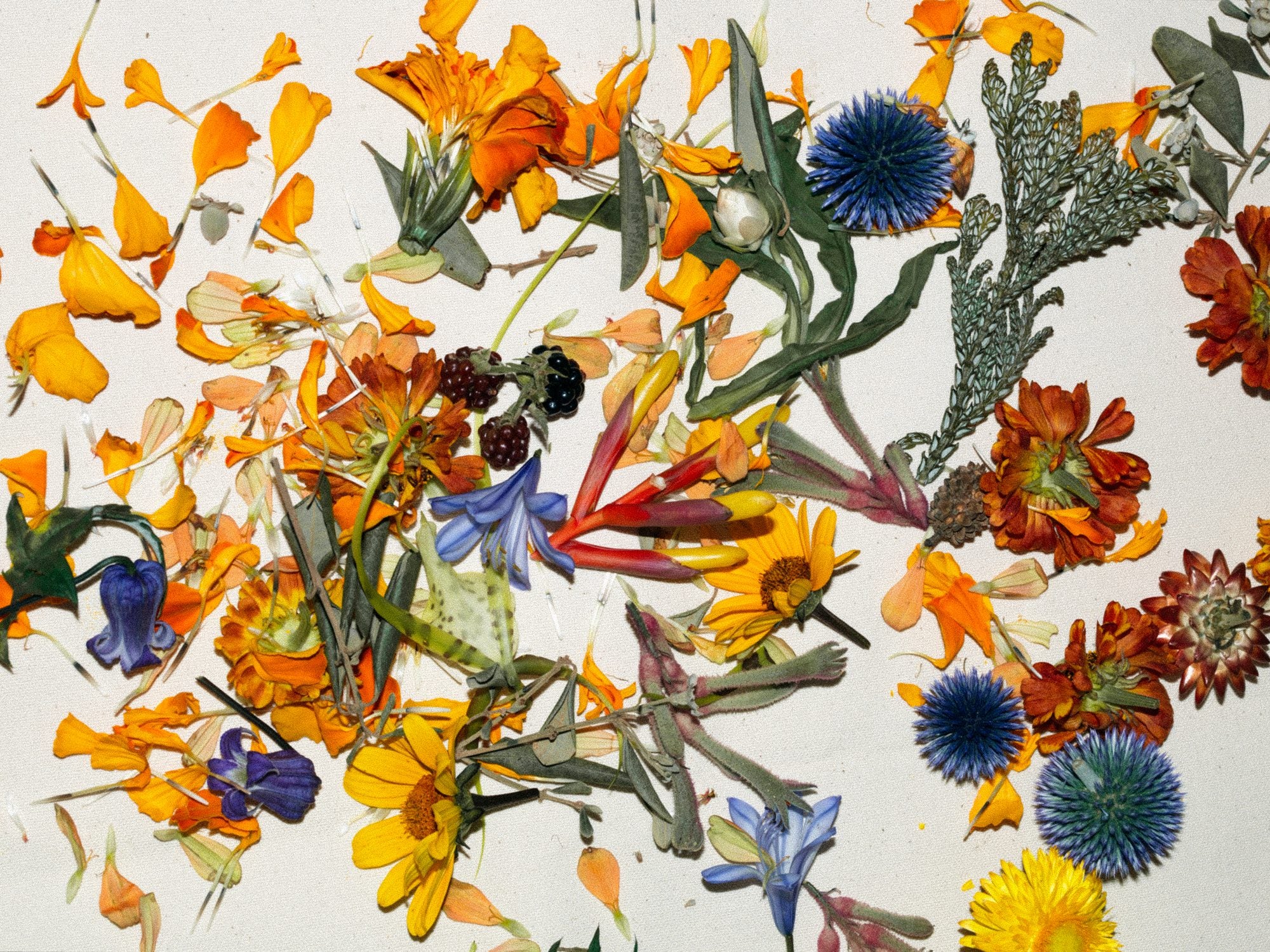
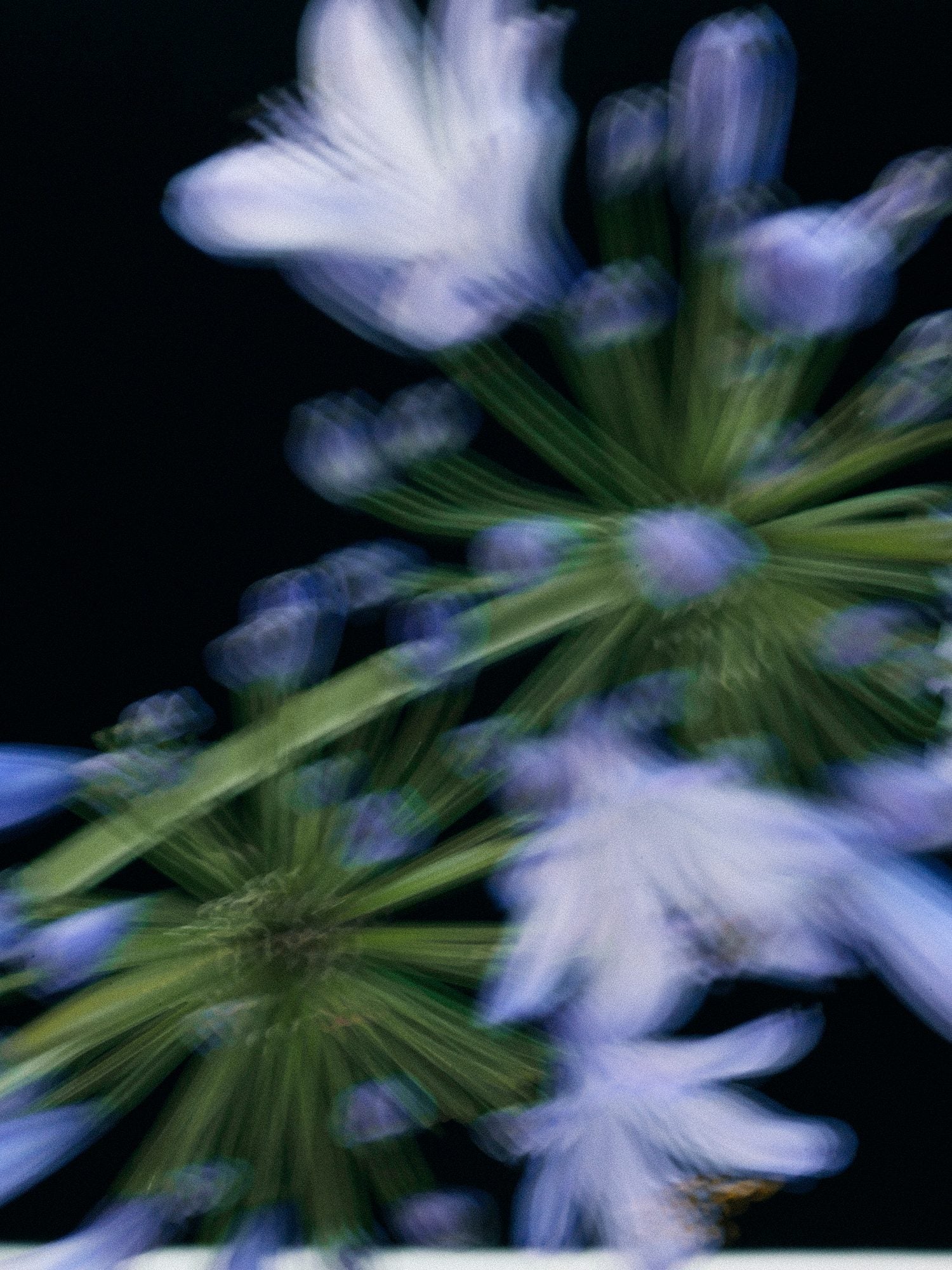
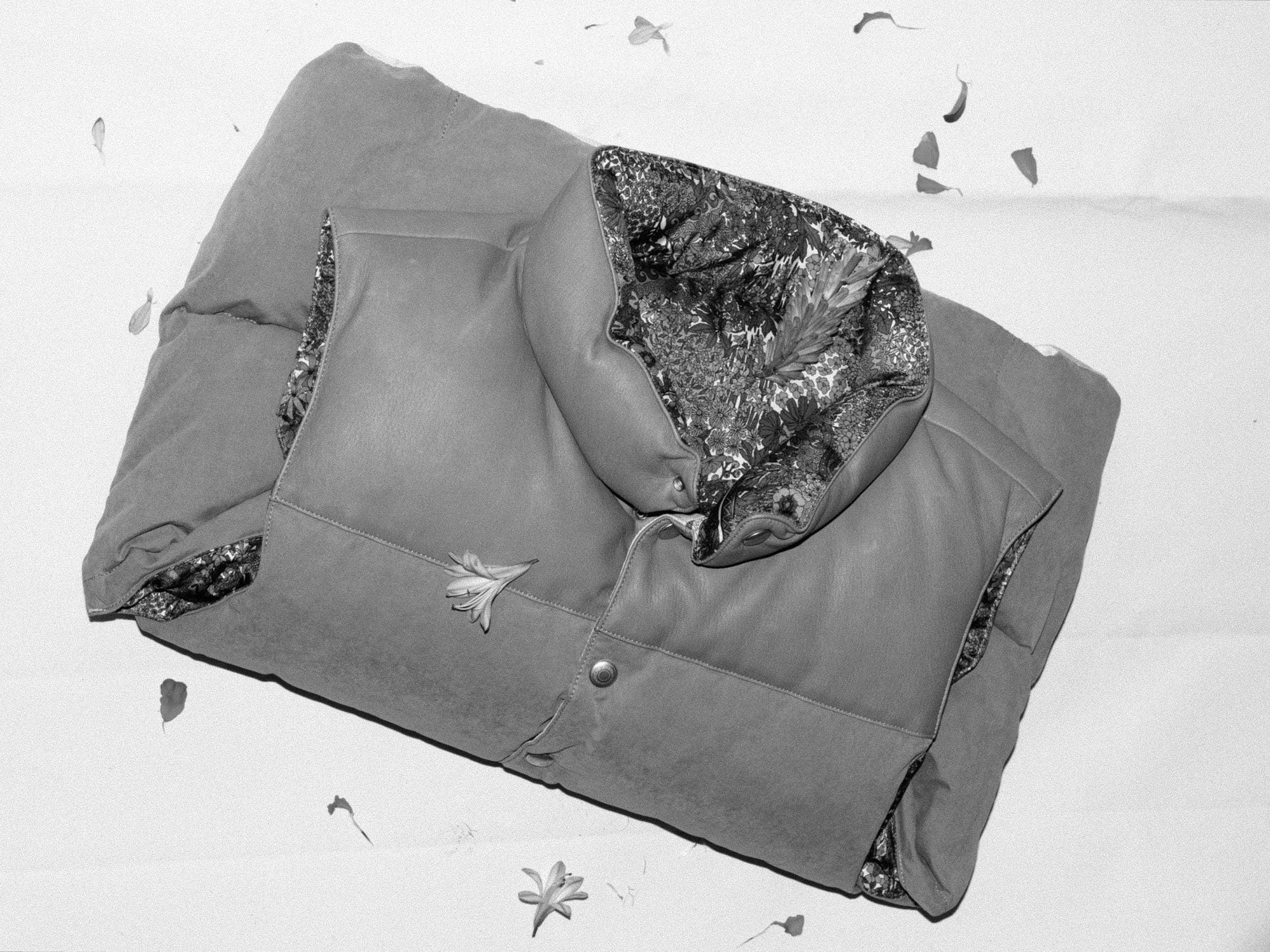
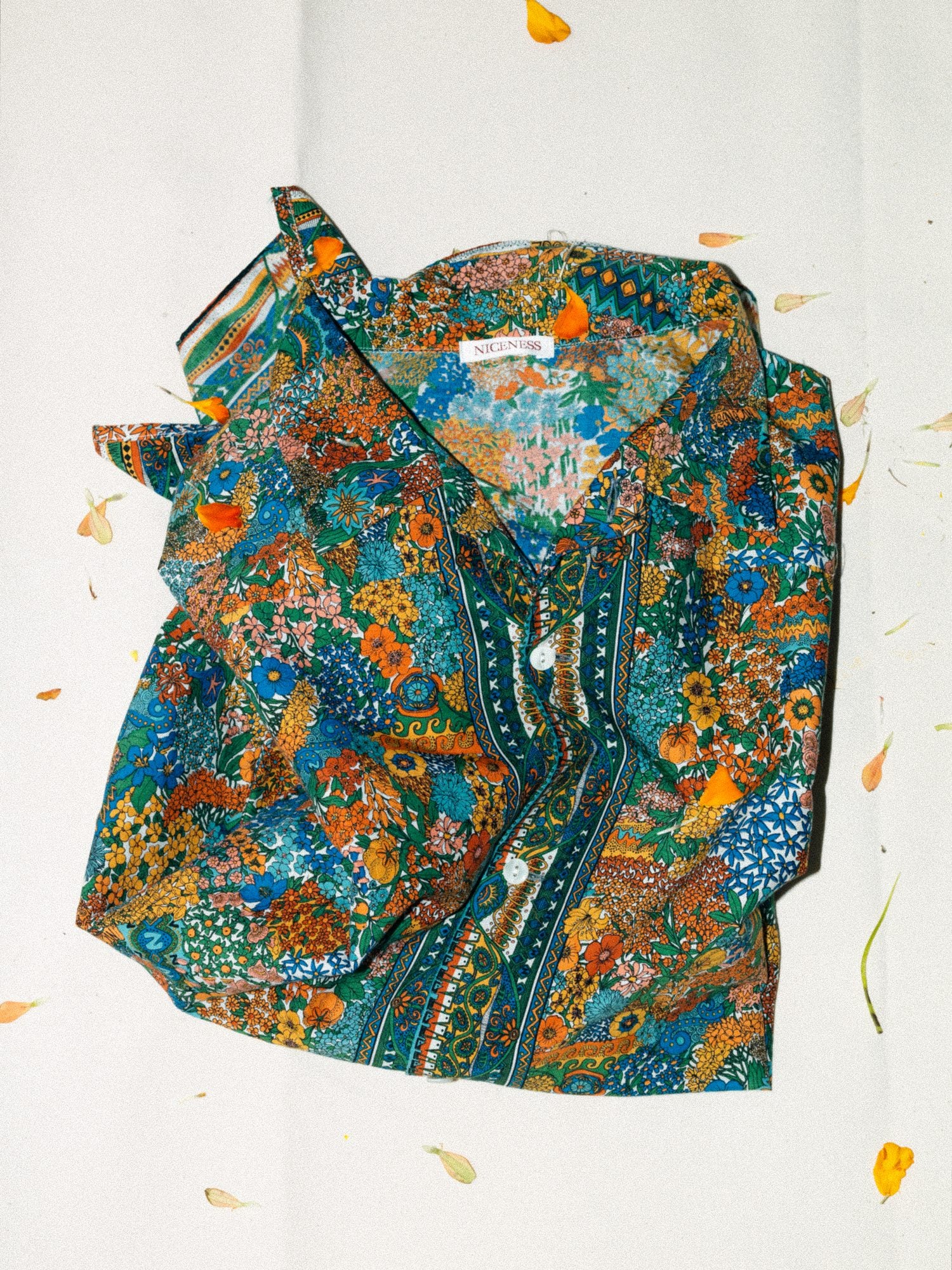
When we began developing this season's graphic, the designer's very first words were, "I'd like to make a scarf that combines floral motifs with geometric patterns." The moment I heard those words, my mind returned to the London of those days. Not flowers alone. Not geometry alone. But a landscape where nature and the city coexisted without either yielding to the other.
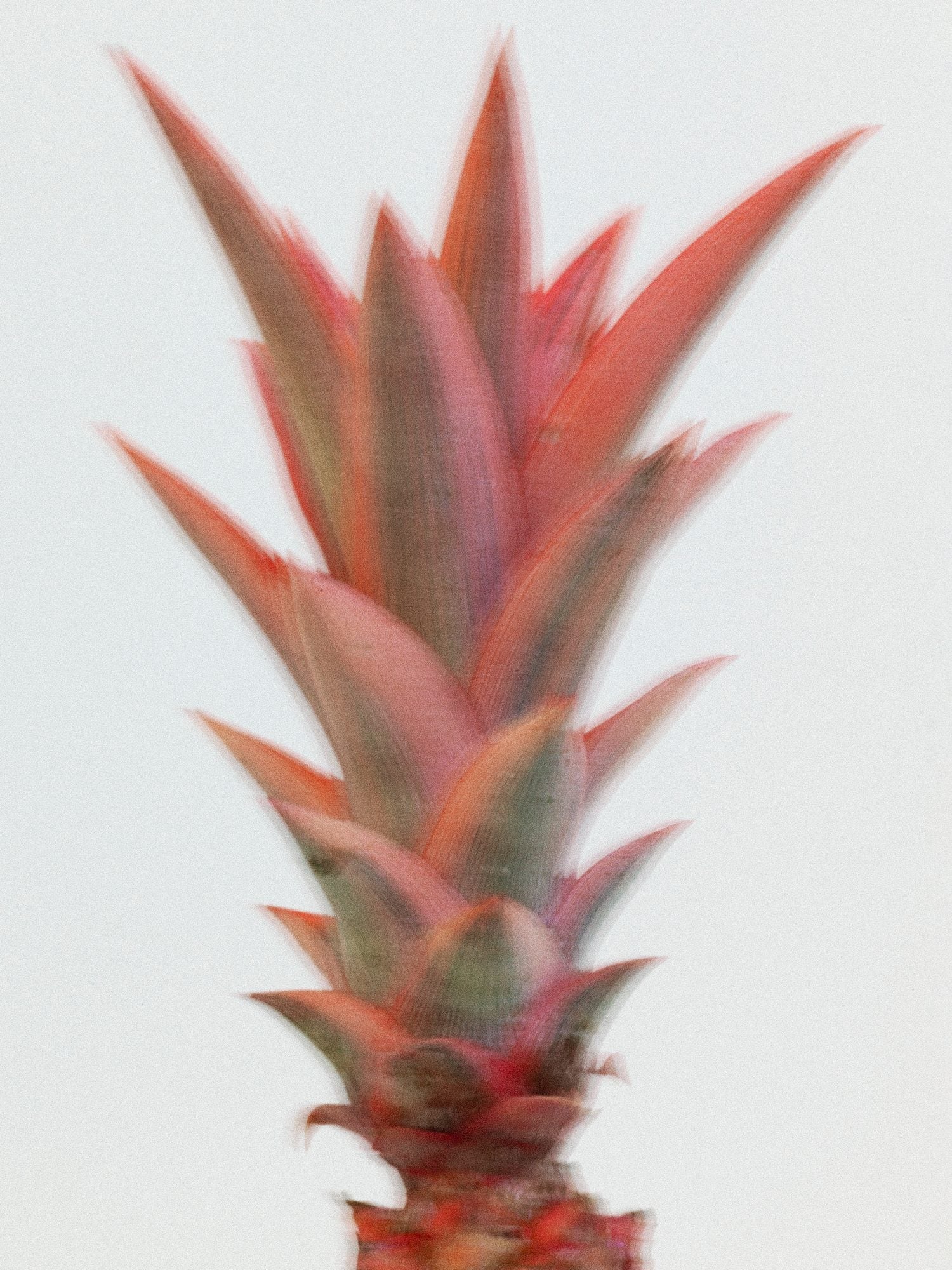
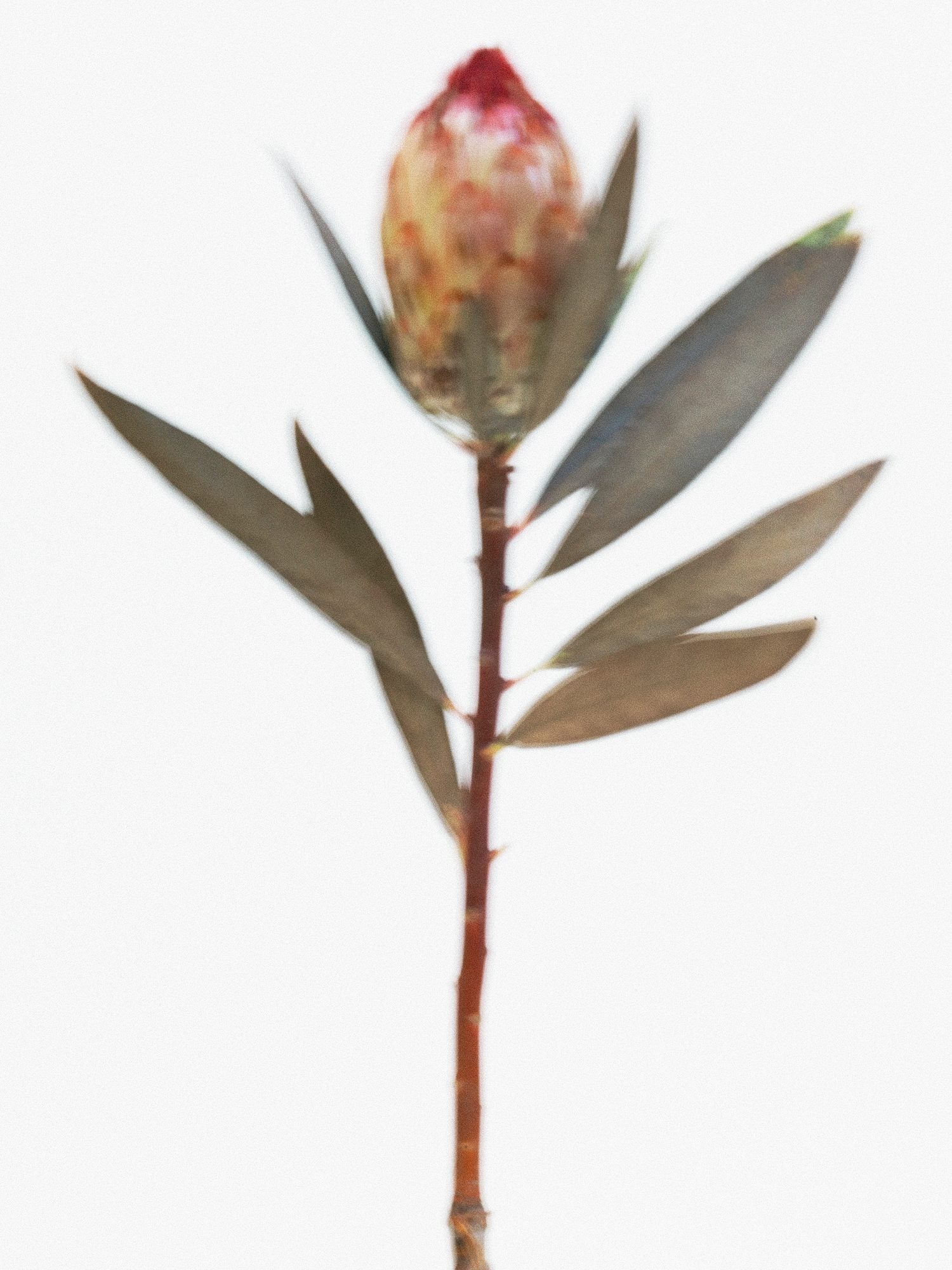
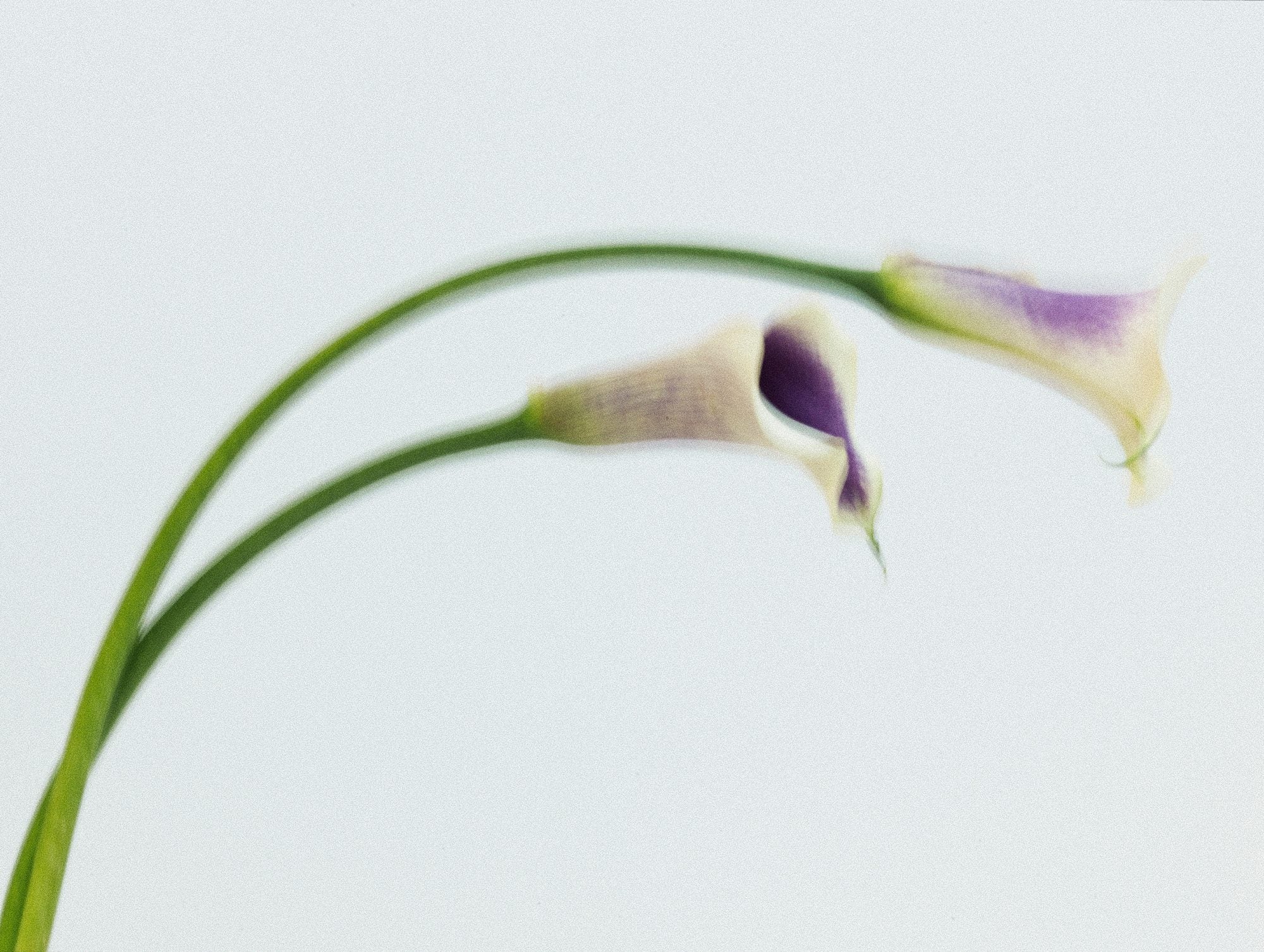
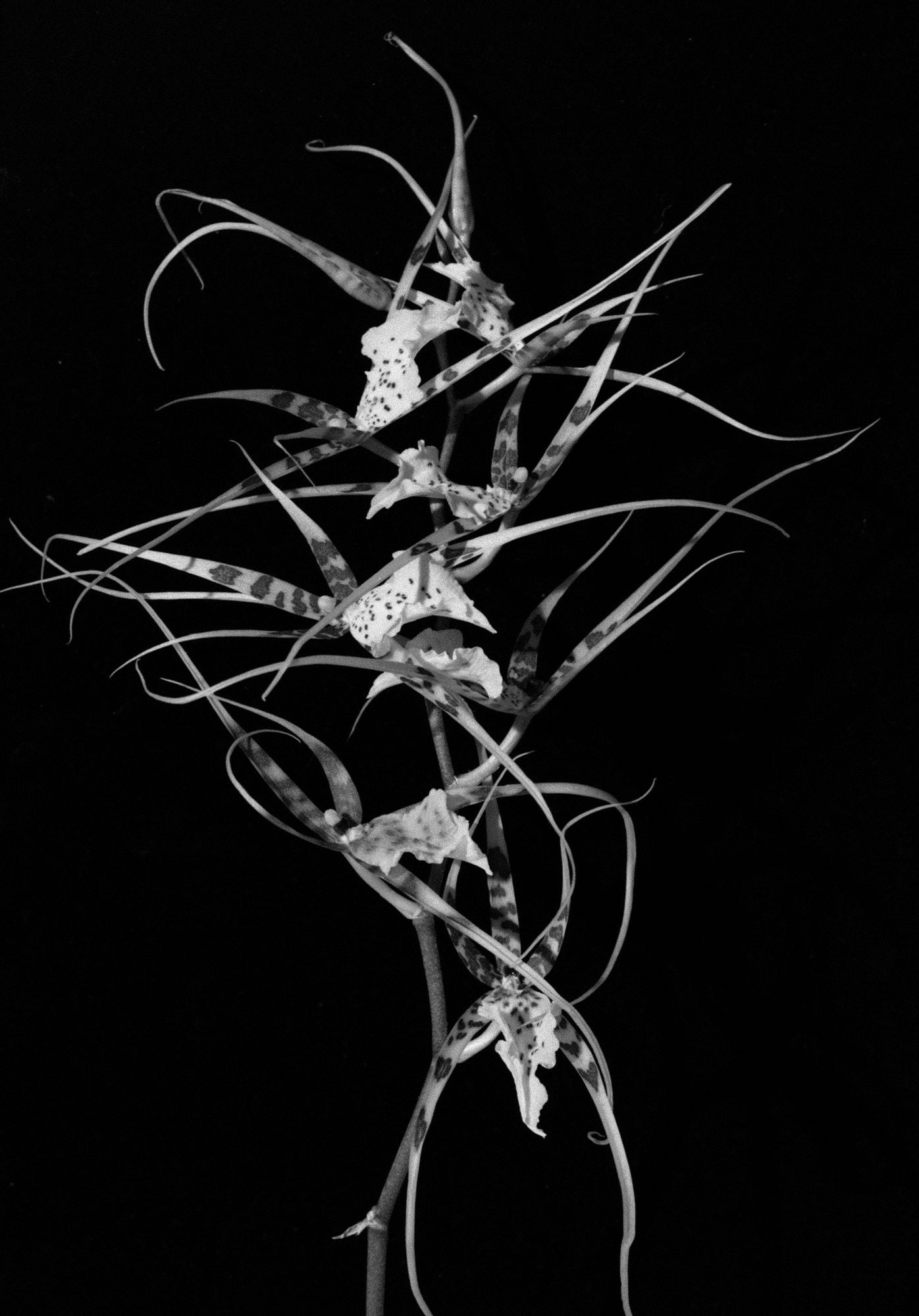
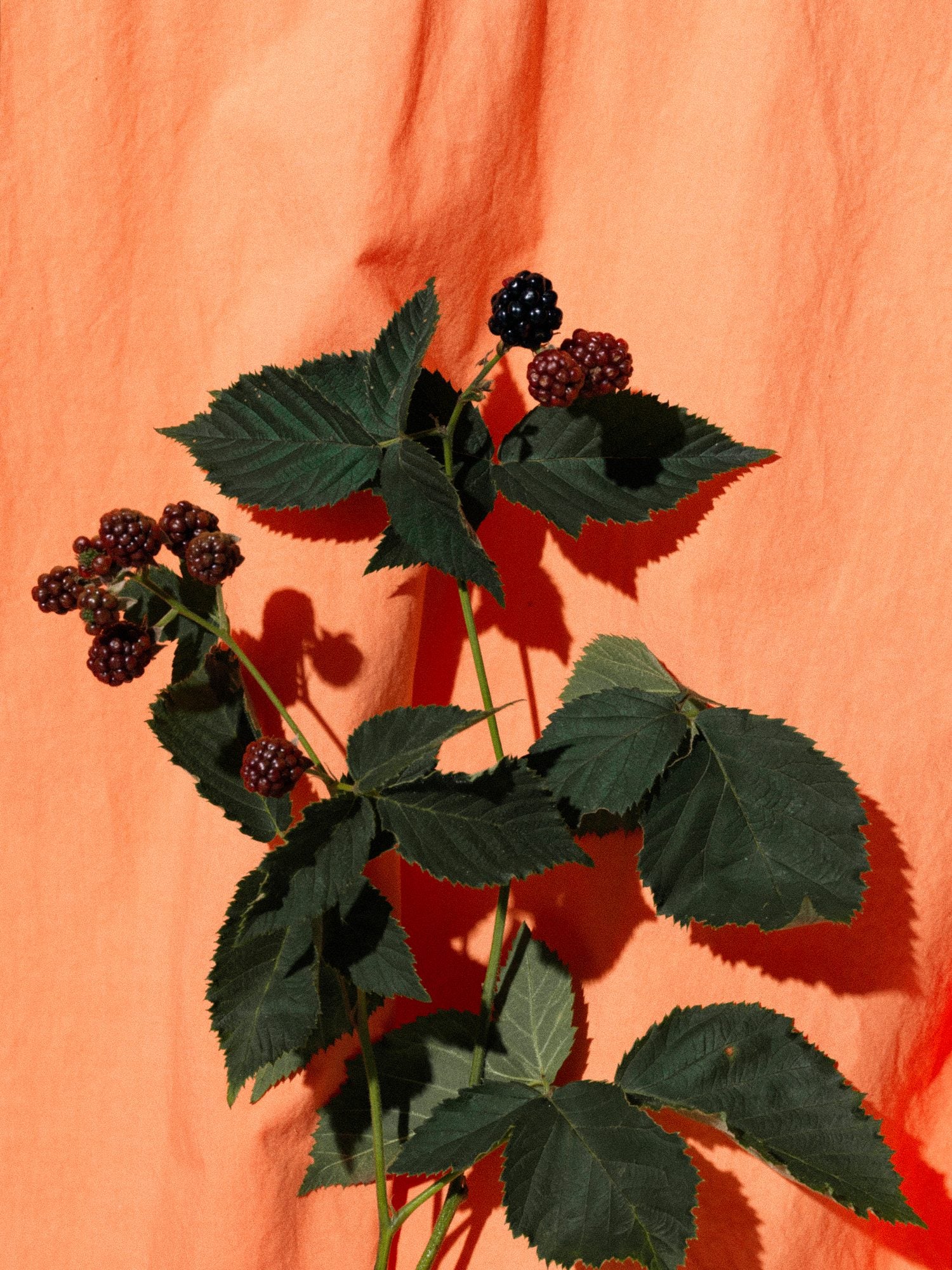
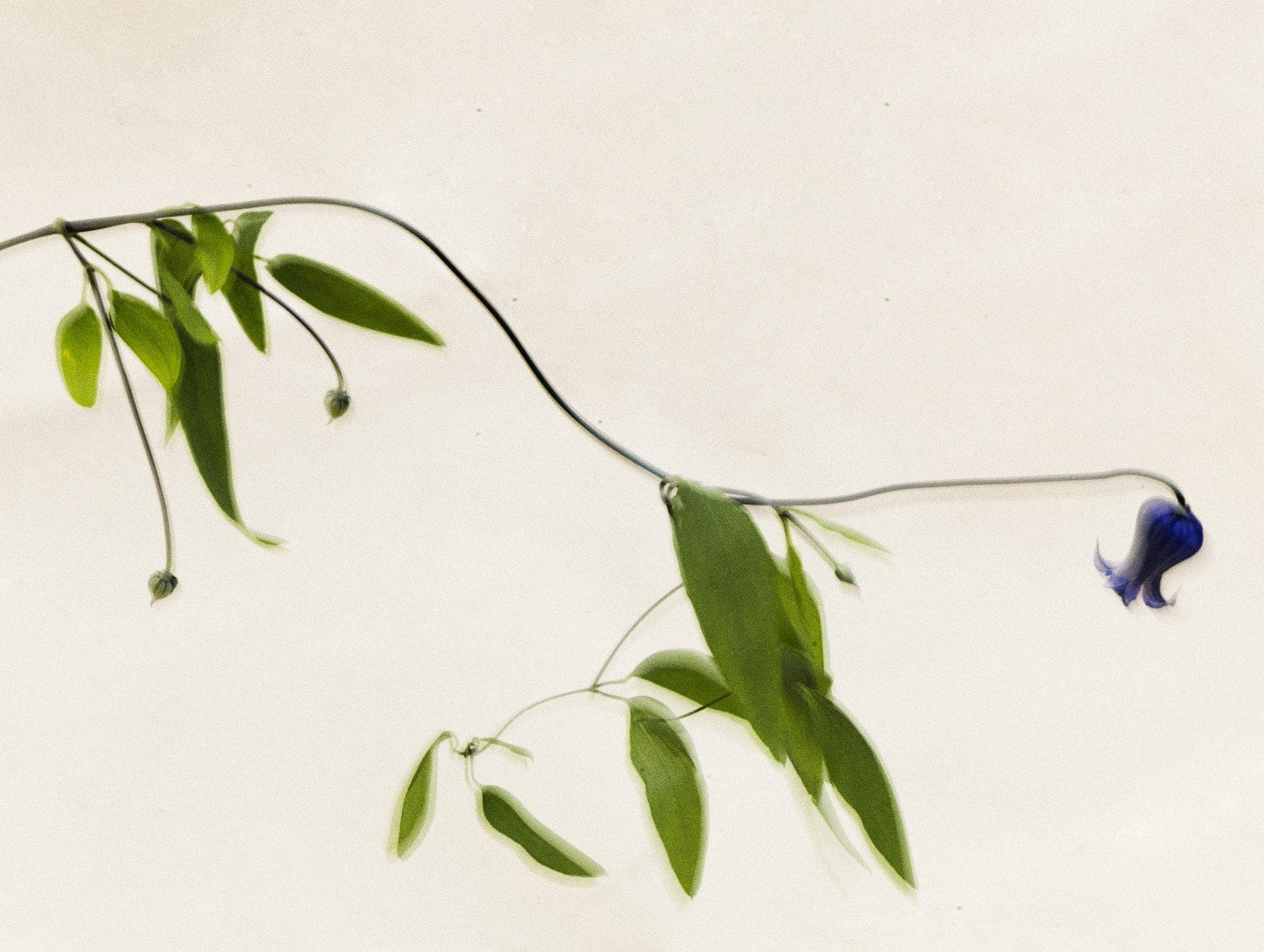
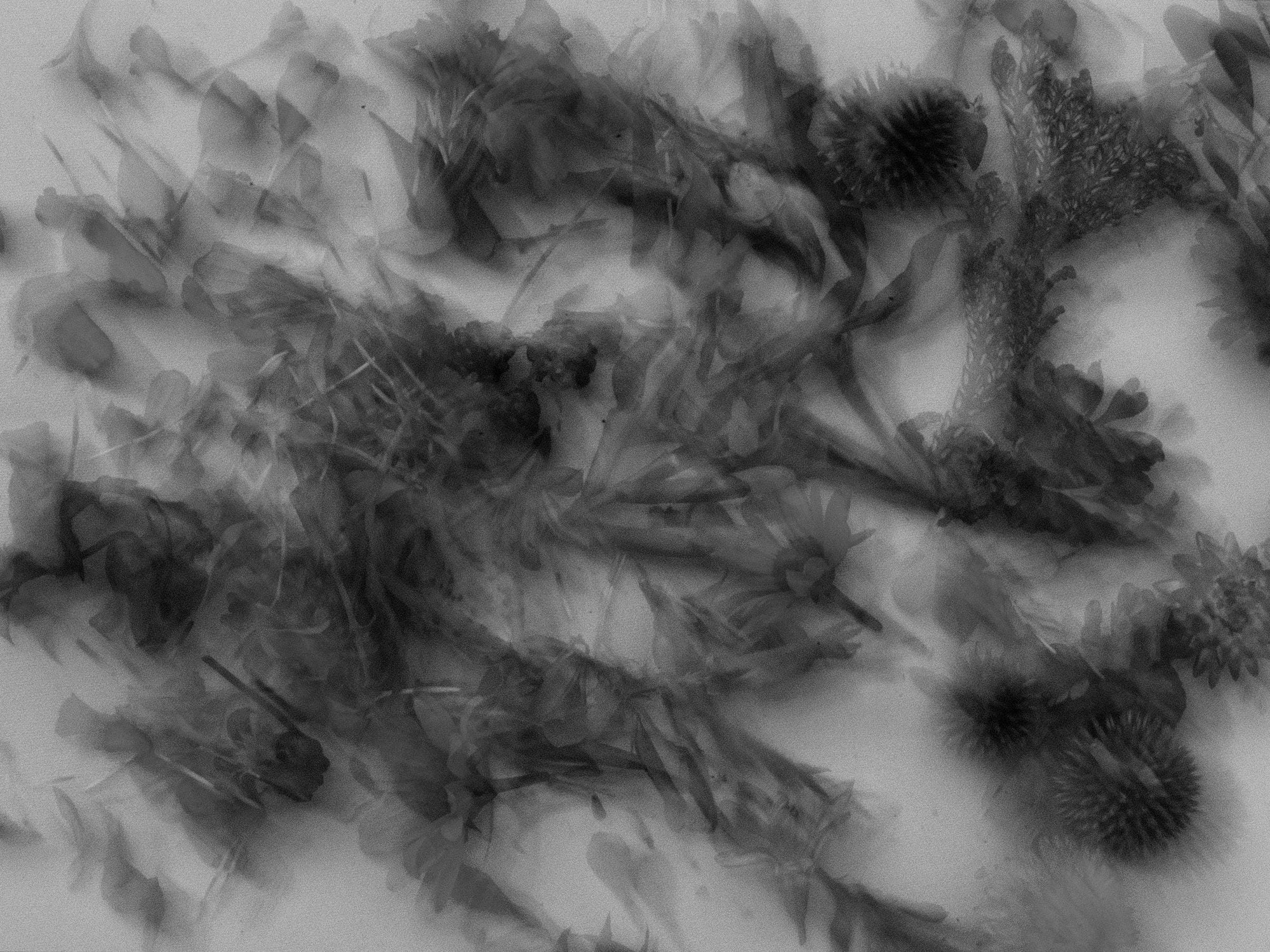
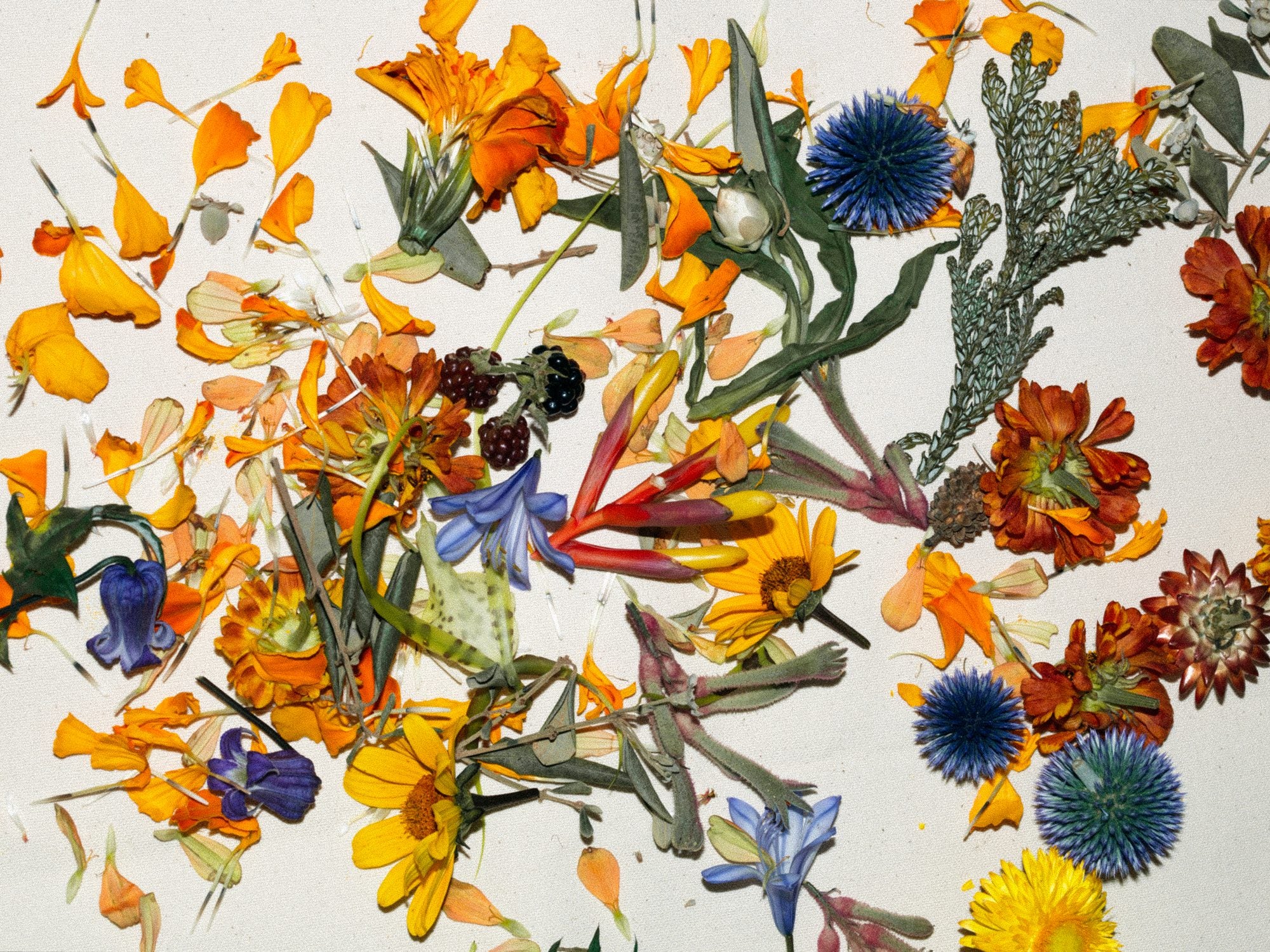
This pattern was never intended to repeat a single flower. Even flowers of the same variety were drawn individually, each with subtle differences in shape, in the number of petals, in colour, and in the curve of the stem. From the standpoint of efficiency, it would have been far easier to draw one flower and simply repeat it. Yet I think it was precisely those small differences that drew me to Kiyo's photographs all those years ago. Twenty years have passed, and London has changed immensely. Yet the voices that once echoed through the flower market, the smiles of people walking home with flowers in their arms, and the memory of a city where nature and graphic expression existed side by side have never faded. Those scenes now live on, transformed into a single piece of cloth.
KIYOTAKA HATANAKA
COLUMBIA ROAD FLOWER MARKET
Product


Episode